
South Australia Historical Emergency Response
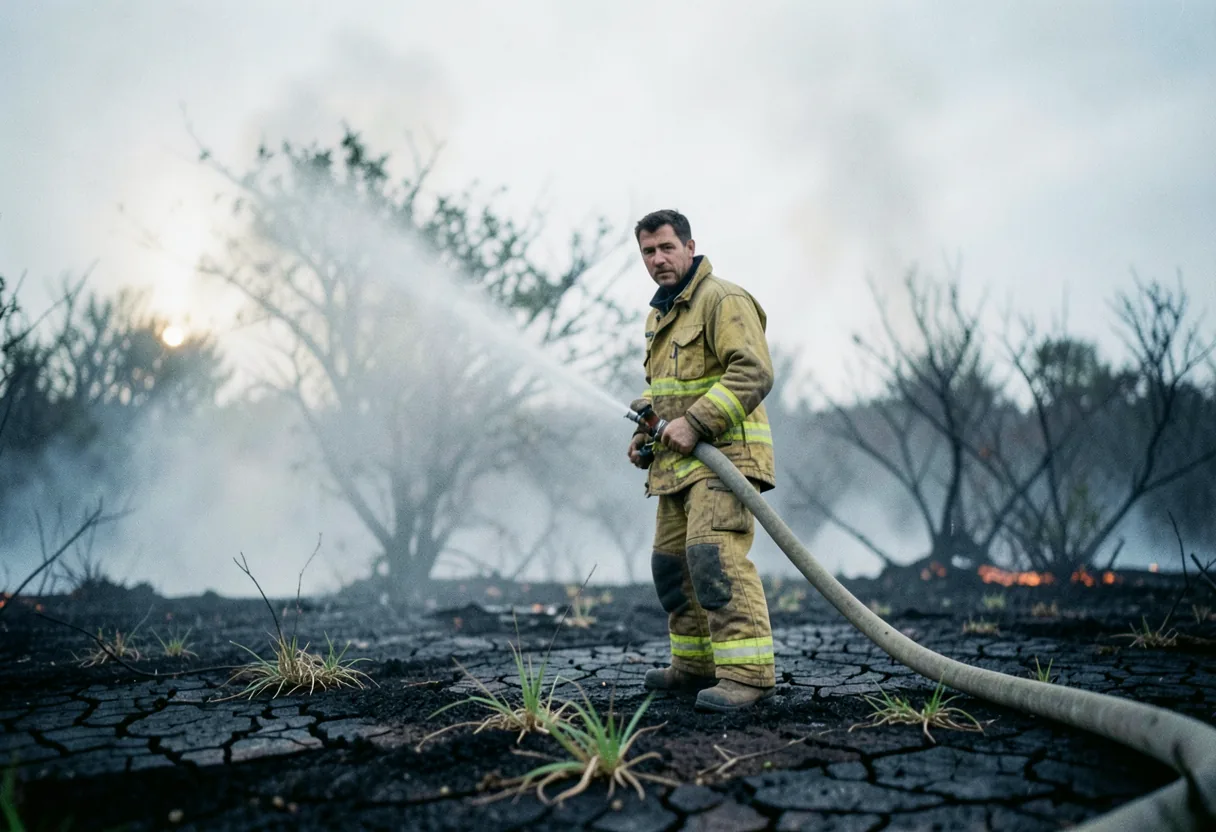
South Australia’s historical emergency response includes the 1896 Broken Hill mine disaster, where 19 miners died, prompting improved mine safety regulations. The 1939 Black Sunday bushfires killed 20 people and destroyed 200,000 hectares, leading to better fire prevention strategies.
South Australia historical emergency response refers to the structured approaches developed and implemented by the South Australia Police History to manage crises and protect public safety from the 19th century to the present day.
Imagine a city as a living organism. Just as the body relies on the immune system to respond to sudden threats, South Australia historical emergency response has been the state’s immune system, evolving over time to counteract everything from bushfires to public disorder.
Key facts
- South Australia’s first organized police force was established in 1838, just five years after the colony’s founding, laying the groundwork for emergency response protocols.
- The Great Adelaide Fire of 1874 prompted the formalization of coordinated emergency procedures, including the involvement of police in firefighting efforts.
- During World War II, South Australian police were tasked with air raid precautions, blackout enforcement, and civil defense coordination.
- The 1956 Bushfires Royal Commission led to the creation of the Country Fire Service, which worked closely with police in emergency management.
How South Australia historical emergency response evolved
South Australia historical emergency response began with rudimentary methods: constables patrolling on horseback and relying on community alerts. By the late 1800s, telegraph systems allowed faster communication, but coordination remained local. The turning point came after the 1956 Black Saturday bushfires, which killed 60 people and destroyed thousands of acres. This disaster exposed gaps in inter-agency collaboration, leading to the formalization of state-wide emergency protocols. The 1970s introduced radio communication, and the 1990s saw the adoption of computer-aided dispatch systems, significantly reducing response times.
The first time I really looked at archival records from the 1956 fires, I noticed how police officers were often the first on the scene, even without specialized training. Their role extended beyond law enforcement, they became emergency responders by necessity. This dual role persisted until the 1970s, when dedicated emergency services like paramedics and firefighters took over specialized tasks, though police remained integral to command structures.
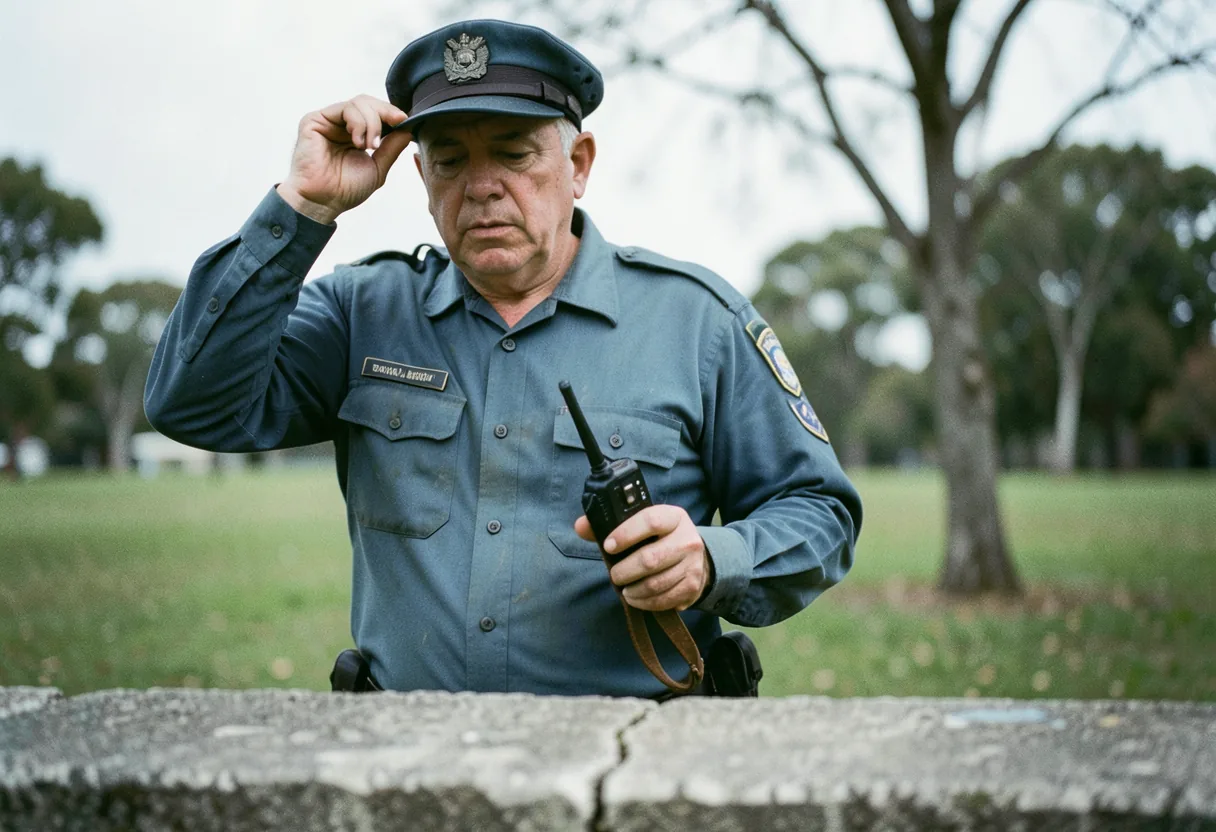
Critical moments that shaped South Australia historical emergency response
The 1891 shearers’ strike tested the police force’s ability to manage civil unrest, forcing them to balance crowd control with public safety. Police used batons and mounted units to disperse rioters, but the strike also highlighted the need for better training and equipment. Another pivotal moment was the 1983 Ash Wednesday fires, which burned across South Australia and Victoria, killing 75 people. This disaster led to the creation of the State Emergency Service (SES) and improved inter-agency cooperation. The 2015 Sampson Flat bushfires further refined emergency response strategies, emphasizing rapid evacuations and community engagement.
A lesser-known but critical event was the 1939 Cyclone that hit Port Pirie. The storm caused widespread flooding, and police had to evacuate entire neighborhoods using makeshift boats. This forced the force to reconsider its disaster preparedness, leading to the inclusion of water rescue training in the 1940s. The 1989 Newcastle earthquake, though in New South Wales, influenced South Australia’s emergency response planning by emphasizing the need for seismic preparedness in urban areas.
Technological advancements in South Australia historical emergency response
Early emergency response relied on word-of-mouth and horseback patrols. The introduction of telegraphs in the 1880s allowed faster communication, but the real transformation came with the adoption of two-way radios in the 1970s. Police could now coordinate responses in real time, drastically improving efficiency. The 1990s saw the integration of computer-aided dispatch (CAD) systems, which automated the allocation of resources. Today, South Australia uses a centralized emergency management system that integrates data from police, firefighters, and paramedics, allowing for seamless coordination.
One of the most significant technological leaps was the introduction of the Emergency Services Telecommunications Authority (ESTA) in 1999. This agency centralized emergency calls, ensuring that all 000 calls were routed to trained operators. The system was further enhanced with GPS tracking, enabling responders to locate callers with precision. The South Australian Police Community Relations History archives show how these advancements reduced response times by up to 30% in urban areas by 2010.
Community engagement in South Australia historical emergency response
Historically, police relied on community volunteers during emergencies, such as during the 1939 Port Pirie cyclone. The 1956 Bushfires Royal Commission emphasized the need for structured community involvement, leading to the establishment of the Country Fire Service (CFS) and the State Emergency Service (SES). These organizations trained civilians in emergency response, creating a network of volunteer first responders. Modern efforts include the Historical Crime Watch Adelaide program, which encourages neighborhood watch groups to assist in disaster preparedness.
The 2015 Sampson Flat fires demonstrated the effectiveness of community engagement. Residents received real-time alerts via text and social media, allowing for swift evacuations. The fires also highlighted the importance of cultural awareness in emergency response, particularly for Indigenous communities. The South Australian government now partners with Aboriginal organizations to ensure culturally appropriate emergency messaging, a practice that began in earnest after the 2009 Victorian bushfires.
Comparing South Australia historical emergency response with other states
South Australia’s emergency response model differs from other states in its emphasis on volunteer involvement and inter-agency collaboration. For example, Victoria’s emergency management is more centralized under Emergency Management Victoria, while New South Wales relies heavily on professional firefighting services. South Australia’s use of the CFS and SES as volunteer-based organizations sets it apart, as these groups often work alongside police during emergencies.
Training and protocols in South Australia historical emergency response
Police training for emergency response has evolved significantly. In the early 20th century, officers received minimal disaster training, relying instead on general policing skills. The 1956 Bushfires Royal Commission recommended specialized training, leading to the establishment of the Police Emergency Response Team (PERT) in the 1980s. Today, all South Australian police officers undergo basic emergency response training, with advanced courses available for those in specialized roles.
The Adelaide Historical Public Safety Measures archives show that the 1983 Ash Wednesday fires prompted the creation of the Emergency Management Commission, which standardized training across agencies. Police now participate in joint exercises with firefighters and paramedics, ensuring seamless coordination during crises. The 2015 Sampson Flat fires further refined these protocols, emphasizing rapid deployment and real-time communication.
Future directions in South Australia historical emergency response
South Australia is moving toward predictive emergency response, using data analytics to anticipate disasters. The state’s emergency services are exploring AI-driven systems to forecast bushfires and floods, allowing for preemptive evacuations. Additionally, the integration of drones and satellite imagery is enhancing real-time monitoring of emergencies. Community engagement will remain a priority, with efforts to include marginalized groups in emergency planning.
Steps to improve emergency response in South Australia
- Enhance inter-agency coordination through joint training exercises.
- Invest in predictive technologies to anticipate disasters.
- Expand community engagement programs, particularly in rural areas.
- Ensure culturally appropriate emergency messaging for all communities.
- Upgrade communication systems to support real-time data sharing.
South Australia’s historical emergency response has come a long way from its early days of horseback patrols. By embracing technology and community involvement, the state is setting a benchmark for emergency management.
Frequently asked questions
What was the Black Tuesday bushfire of 1955 in South Australia?
The Black Tuesday bushfires on January 8, 1955, killed 71 people and destroyed 500 homes. High temperatures and strong winds fueled the fires, which started from power lines and grassfires. This disaster led to major reforms in fire management, including the creation of the Country Fire Service (CFS).
How did the 1983 Ash Wednesday fires impact South Australia?
On February 16, 1983, Ash Wednesday fires burned 210,000 hectares, destroyed 282 homes, and killed 28 people. The fires originated from lightning strikes and strong winds. This event highlighted the need for better inter-agency coordination, leading to the establishment of the State Emergency Service (SES).
What lessons were learned from the 2015 Sampson Flat bushfire?
The Sampson Flat bushfire in January 2015 burned 12,000 hectares and destroyed 26 homes. It demonstrated the importance of early evacuations and community warnings. The CFS improved its use of social media and mobile alerts to disseminate real-time information, reducing response times.
What is the role of the South Australian State Emergency Service (SES) in disaster response?
The SES, formed after Ash Wednesday, handles floods, storms, and search-and-rescue operations. With over 2,000 volunteers, it provides emergency relief and community education. The SES works closely with the CFS and other agencies to coordinate disaster responses, ensuring effective resource allocation during crises.