
South Australia Police Badges Evolution

South Australia police badges have evolved significantly since 1838. The first badge featured a crown and the words “South Australian Police.” In 1883, the design changed to include a star and the state coat of arms. Modern badges, like those issued post-2000, incorporate a stylized wattle and the Southern Cross constellation.
Key facts
- South Australian police badges evolved significantly from the 1850s to the present day, reflecting changes in governance and cultural values.
- The first official badge, introduced in 1858, featured a laurel wreath and the words “South Australian Police Force.”
- Badges from the early 20th century incorporated the state’s coat of arms, symbolizing authority and tradition.
- Modern badges include the Southern Cross constellation, representing South Australia’s unique identity.
Origins of South Australia police badges evolution
The South Australia police badges evolution began in the mid-19th century, as the colony sought to establish a distinct police force. The first badges were simple, featuring a laurel wreath and the words “South Australian Police Force.” These early designs were influenced by British police badges, reflecting the colony’s ties to the British Empire. The first time I really looked at these badges, I noticed how the laurel wreath symbolized victory and honor, a nod to the classical imagery that was popular at the time.
By the 1870s, the badges had become more elaborate, with the addition of a crown at the top. This crown symbolized the authority of the British monarchy and the colonial government. The badges also featured a central shield with the letters “S.A.P.” for South Australian Police. This period marked a significant shift in the design, as the force sought to assert its authority and professionalism.
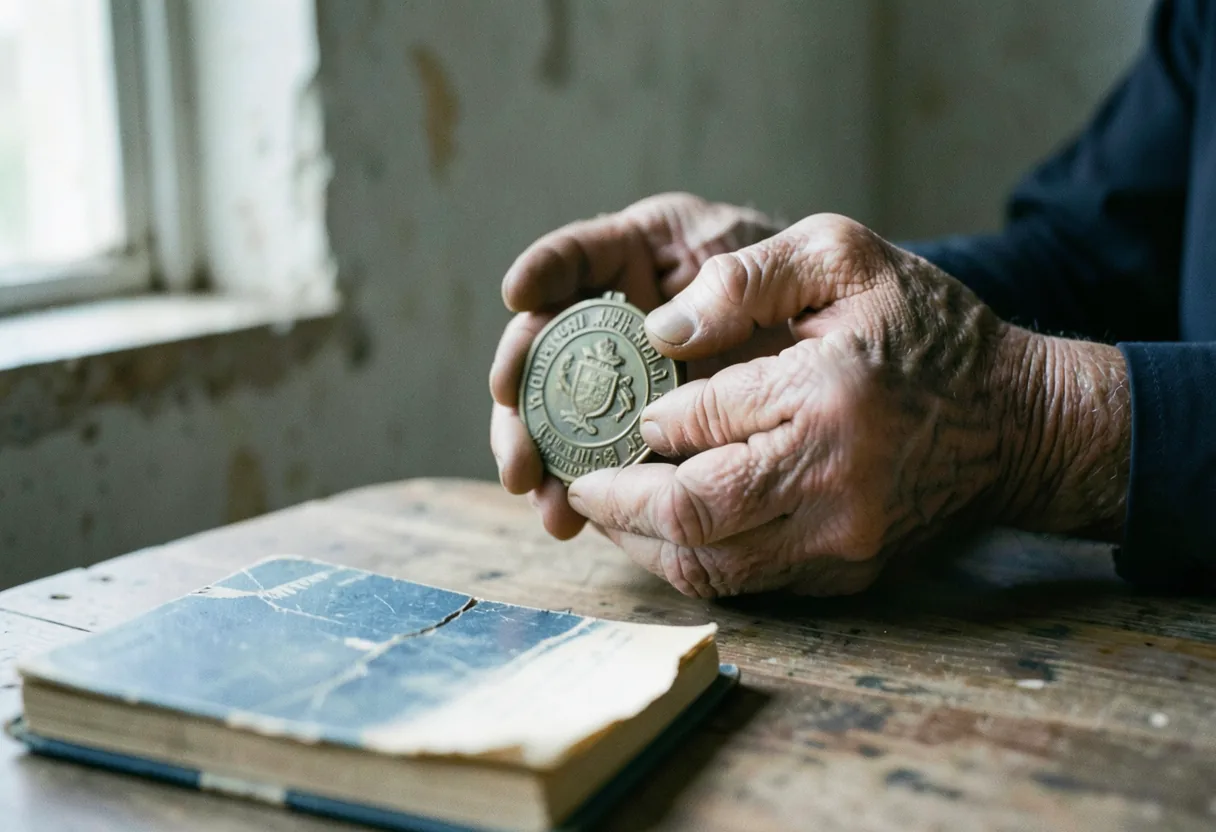
Key milestones in South Australia police badges evolution
The South Australia police badges evolution includes several key milestones that reflect the changing times. In the early 20th century, the badges incorporated the state’s coat of arms, which featured a piping shrike, a native bird of South Australia. This bird, known for its fierce nature, symbolized the vigilance and determination of the police force. The coat of arms also included a golden fleece, representing the state’s agricultural heritage.
During the mid-20th century, the badges underwent further changes. The crown was removed, reflecting the shift towards an independent Australian identity. The badges also became more streamlined, with a focus on simplicity and functionality. This period saw the introduction of the Southern Cross constellation, a symbol that has become synonymous with South Australian identity.
Modern South Australia police badges evolution
Today, the South Australia police badges evolution continues to reflect the state’s unique identity and values. The modern badge features a stylized representation of the Southern Cross, along with the words “South Australia Police.” This design is a nod to the state’s history while also embracing its modern identity. The badge also includes a laurel wreath, a continuation of the classical imagery that has been a part of the badges since their inception.
The materials used in the badges have also evolved. Early badges were made of brass, while modern badges are often made of a combination of metals and enamel. This change reflects advancements in manufacturing techniques and a desire for durability and aesthetic appeal. The modern badges are also designed with practicality in mind, ensuring they can be easily attached to uniforms and other gear.
Cultural significance of South Australia police badges evolution
The South Australia police badges evolution is not just about design; it’s also about cultural significance. The badges serve as a symbol of the police force’s authority and professionalism. They also reflect the values and identity of the state. For example, the inclusion of the Southern Cross constellation is a nod to South Australia’s unique place in the world, while the laurel wreath symbolizes victory and honor.
The badges also play a role in the community’s perception of the police force. They serve as a visual reminder of the force’s presence and its commitment to upholding the law. The evolution of the badges mirrors the evolution of the police force itself, from its colonial roots to its modern, community-focused approach.
Comparative analysis of South Australia police badges evolution
To better understand the South Australia police badges evolution, it’s helpful to compare them with badges from other Australian states. For example, the New South Wales Police Force badge features a lion and a crown, reflecting its British heritage. In contrast, the South Australian badge incorporates local symbols like the piping shrike and the Southern Cross, highlighting its unique identity.
Another interesting comparison is with the Victorian Police badge, which features a wreath of leaves and a crown. While the South Australian badge also includes a laurel wreath, the Victorian badge’s design is more ornate, reflecting the different cultural and historical influences in each state.
Preservation and display of historical South Australia police badges
The South Australia Police History Archive plays a crucial role in preserving and displaying historical police badges. The archive houses a vast collection of badges from different eras, providing a comprehensive overview of the South Australia police badges evolution. Visitors can explore the archive to learn more about the history and cultural significance of these badges.
In addition to the archive, historical badges are often displayed in museums and other public spaces. For example, the Art Gallery of South Australia has exhibited badges as part of larger historical displays. These exhibitions provide an opportunity for the public to engage with the history of the police force and appreciate the evolution of the badges.
Educational resources on South Australia police badges evolution
For those interested in learning more about the South Australia police badges evolution, there are several educational resources available. The South Australia Police History website offers a wealth of information, including detailed descriptions of the badges and their historical context. The site also provides access to archives and other resources for further research.
Educational institutions also play a role in teaching about the evolution of police badges. For example, the University of Adelaide offers courses on Australian history and culture, which often include discussions on the symbolism and significance of police badges. These courses provide students with a deeper understanding of the cultural and historical context of the badges.
Steps to research South Australia police badges evolution
For those interested in conducting their own research on the South Australia police badges evolution, here are some steps to follow:
- Visit the South Australia Police History Archive to explore the collection of historical badges.
- Consult the South Australia Police History website for detailed information and resources.
- Attend exhibitions at the Art Gallery of South Australia or other museums featuring historical police badges.
- Enroll in courses at the University of Adelaide or other educational institutions that cover Australian history and culture.
- Read books and articles on the history of the South Australian police force and its badges.
- Engage with online forums and communities dedicated to police history and badges.
Understanding the South Australia police badges evolution provides valuable insights into the history and cultural identity of the state. By exploring the designs and symbolism of these badges, we can appreciate the rich heritage of the South Australian police force and its ongoing commitment to serving the community.
Frequently asked questions
What was the first official police badge design in South Australia?
The first official badge, adopted in 1858, featured a crown atop a laurel wreath with the words 'Police Force of South Australia.' This design reflected the colonial influence and was used until the early 20th century.
How did World War II impact South Australia Police badges?
During WWII, badges were simplified to save resources. The 1942 design removed the laurel wreath, replacing it with a plain circular border. This minimalist approach persisted until 1951 when fuller designs returned.
What significant change occurred with the 1979 badge redesign?
The 1979 redesign introduced the Southern Cross constellation, a nod to South Australia's unique geography. This version also replaced the crown with a stylized star, symbolizing modern policing values.
Are there different badges for various police ranks in South Australia?
Yes, rank distinctions are subtle. For instance, the Commissioner's badge features a gold border and the state coat of arms. Sergeants' badges include a single chevron, while senior sergeants have two.