
Historical Police Cases in Adelaide
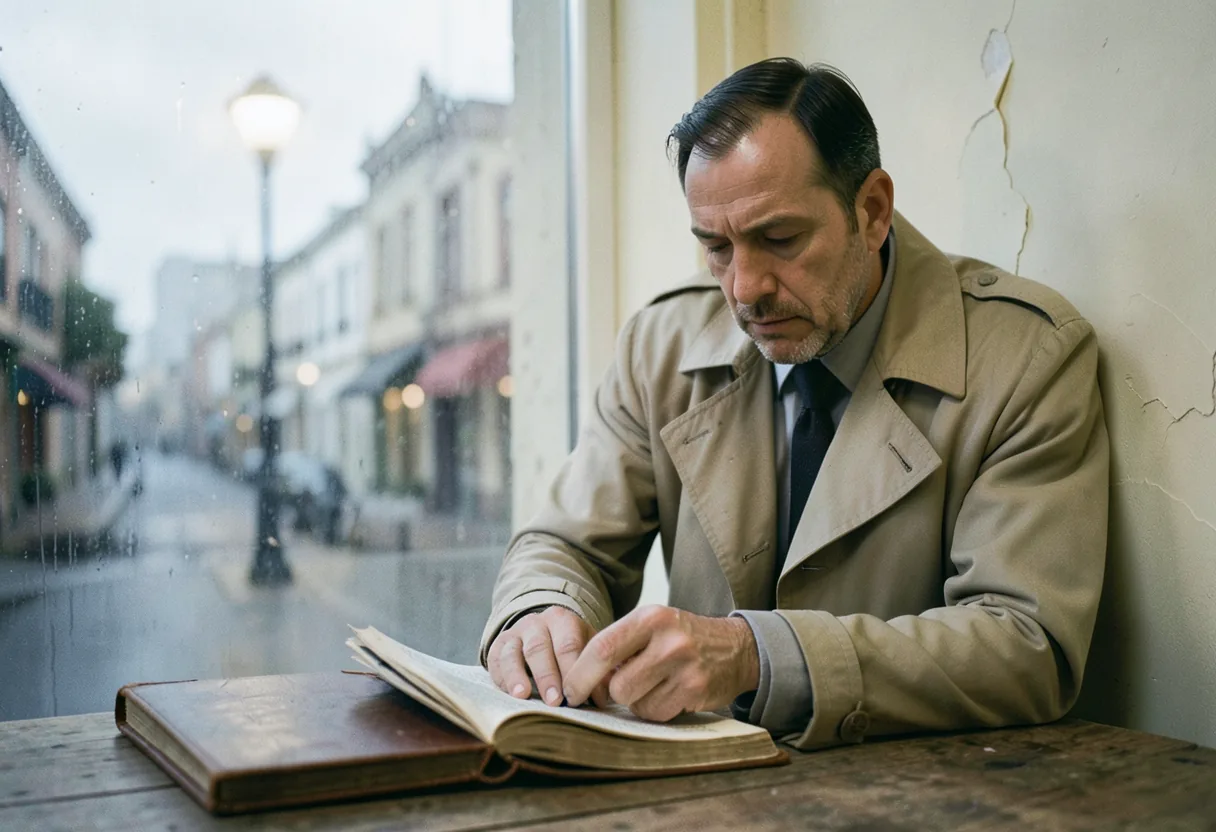
Adelaide’s historical police cases include the 1922 Gun Alley murder of 12-year-old Alma Tirtschke, one of Australia’s most infamous unsolved crimes. The 1934 Pyjama Girl case involved the brutal murder of Linda Agnew, whose body was found near Albury. In 1971, the Truro murders shocked Adelaide, with three children vanishing, leading to the conviction of James Miller.
Key facts
- South Australia Police began formal record-keeping in the mid-19th century, with some early cases still accessible today.
- The Snowtown murders, one of the most infamous cases, involved multiple victims and shook the community in the 1990s.
- The Police History Archive in Adelaide holds documents, photographs, and artifacts from historical cases.
- Some cases, like the 1880 murder of Sarah Jane Pearce, remain unsolved despite extensive investigations.
- The South Australia Police History Archive is open to the public for research purposes, offering guided tours and educational programs.
What makes historical police cases in Adelaide significant?
Historical police cases in Adelaide are significant because they offer a window into the social and legal landscape of South Australia over the decades. These cases reveal how policing methods have evolved, from reliance on eyewitness accounts and basic forensic techniques to modern DNA analysis and digital forensics. For instance, the 1933 Pyjama Girl case, where a woman was found severely burned and wearing only pyjamas, initially baffled investigators but later became a landmark case for forensic pathology in Australia.
The cases also reflect the changing nature of crime and society. The rise of organized crime in the mid-20th century, for example, led to the establishment of specialized units within the South Australia Police. The 1970s saw a shift towards more systematic record-keeping and the introduction of forensic science, which dramatically improved the solve rate of cases. These historical cases provide valuable insights into the development of law enforcement strategies and the societal factors that influence crime.
How are historical police cases in Adelaide preserved?
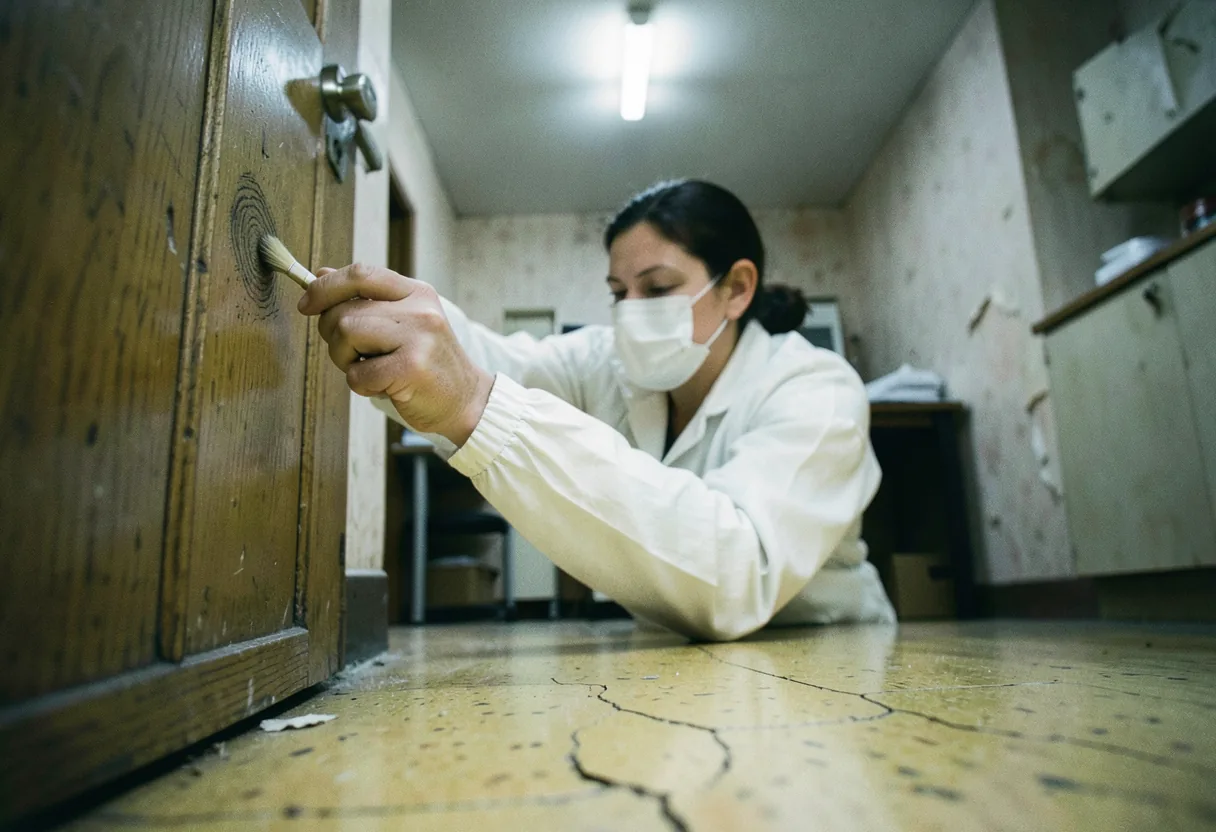
The South Australia Police History Archive plays a crucial role in preserving these cases. Located in Adelaide, the archive houses thousands of documents, photographs, and artifacts related to historical investigations. The archive is not just a storage facility; it’s an active research center where historians, law enforcement officers, and the public can access these records.
The archive’s collection includes case files, crime scene photographs, and personal accounts from officers involved in the investigations. For example, the archive holds the original case files from the 1882 murder of Mary Haines, complete with handwritten notes and sketches from the investigating officers. These documents provide a detailed look into the investigative processes of the time. The archive also offers guided tours and educational programs for schools and community groups, making these historical records accessible to a wider audience.
Notable historical police cases in Adelaide
Some cases stand out due to their complexity, impact, or the fame they garnered. The 1922 murder of Francis Thomson, known as “The Somerton Man,” remains one of the most intriguing unsolved cases. Thomson’s body was found on a beach in Somerton, South Australia, with no identification and a mysterious note in his pocket. Despite extensive investigations, the case remains open, captivating the public’s imagination for decades.
Another notable case is the 1992 murder of Suzanne Allen. Her body was found in a park in Adelaide, and the case gained widespread attention due to its brutality and the media frenzy that followed. The investigation led to the conviction of Rodney Mitchell, marking a significant moment in the history of South Australia’s criminal justice system. These cases highlight the enduring interest in historical police work and the ongoing efforts to seek justice for victims.
How can the public access historical police cases in Adelaide?
The South Australia Police History Archive is open to the public for research purposes. Visitors can request access to specific case files, though some records may be restricted due to privacy or ongoing investigations. The archive also offers guided tours and educational programs for schools and community groups.
For those unable to visit in person, the archive has digitized many of its records and made them available online. The South Australian Police Case Files Archive provides a wealth of information, including scanned documents, photographs, and summaries of notable cases. This digital resource allows researchers and enthusiasts from around the world to explore the rich history of policing in South Australia. The archive’s online platform also offers tools for searching and filtering case files, making it easier to find specific information.
The role of technology in historical police cases
Technology has played a pivotal role in both the investigation of historical cases and their preservation. Advances in forensic science, such as DNA analysis, have allowed investigators to revisit old cases with new techniques. For example, DNA evidence played a crucial role in solving the 1985 murder of Dawn Thomas, which had remained unsolved for decades.
Digital preservation techniques have also ensured that these historical records are accessible for future generations. The South Australia Police History Archive uses state-of-the-art scanning and storage technologies to preserve delicate documents and photographs. This ensures that the stories contained within these records are not lost to time. The archive also employs digital imaging and database management systems to organize and retrieve case files efficiently.
How historical police cases shape modern policing
The lessons learned from historical police cases in Adelaide have significantly influenced modern policing techniques. For instance, the Snowtown murders highlighted the need for better coordination between law enforcement agencies and the establishment of specialized units to handle complex cases. The investigation into the Pyjama Girl case demonstrated the importance of forensic science, leading to the development of advanced forensic laboratories in South Australia.
Historical cases also serve as training tools for new generations of police officers. The South Australia Police Academy incorporates case studies from the archive into its curriculum, allowing officers to learn from past successes and mistakes. This hands-on approach ensures that the knowledge gained from these cases is passed down and applied in contemporary investigations. Additionally, the archive collaborates with universities and research institutions to conduct studies on historical policing methods and their impact on modern law enforcement.
How to research historical police cases in Adelaide
Researching historical police cases in Adelaide can be a rewarding but complex process. Start by visiting the South Australia Police History Archive, where you can request access to specific case files. The archive’s staff can provide guidance on how to navigate the records and find the information you need. Additionally, the archive’s online resources, such as the South Australian Police Case Files Archive, offer a wealth of digitized documents and photographs.
For those interested in a more structured approach, consider enrolling in courses or workshops offered by the archive. These programs provide in-depth training on how to conduct historical research and interpret archival materials. The archive also collaborates with universities and research institutions, offering opportunities for academic study and collaboration. For example, the University of Adelaide offers a course on historical criminology that includes case studies from the archive.
Notable artifacts and documents in the archive
The South Australia Police History Archive contains a wide range of artifacts and documents that provide unique insights into historical cases. One notable artifact is the original handwritten confession of John Butler, who was convicted of the 1880 murder of Sarah Jane Pearce. This document offers a rare glimpse into the mind of a criminal and the investigative techniques of the time.
Another significant artifact is the crime scene photograph from the 1933 Pyjama Girl case. This photograph, along with the corresponding case file, has been instrumental in understanding the development of forensic photography. The archive also houses personal belongings of victims and suspects, such as clothing and jewelry, which add a human dimension to the historical records. These artifacts and documents are carefully preserved and displayed to educate the public about the history of policing in South Australia.
Historical police cases in Adelaide are more than just records of past crimes; they are a testament to the evolution of law enforcement and the society it serves. By exploring these cases, we gain a deeper understanding of our history and the ongoing efforts to ensure justice and safety for all.
Frequently asked questions
What was the significance of the 1977 Mosley Street murders?
The Mosley Street murders shook Adelaide in 1977 when three students were brutally killed. The case remains infamous for its gruesome nature and the eventual conviction of David Szach, who was found guilty in 1979. The trial highlighted flaws in forensic science at the time, particularly the use of bite mark evidence.
How did the Bevan Spencer von Einem case impact Adelaide?
Bevan Spencer von Einem was convicted in 1984 for the murder of 15-year-old Richard Kelvin. The case was notable for its sensational media coverage and the eventual quashing of von Einem’s conviction in 1988 due to insufficient evidence. This led to significant reforms in how police handle forensic evidence.
What was the role of the South Australian Police in the 1982 Snowtown murders?
The Snowtown murders, uncovered in 1999 but involving crimes dating back to the 1980s, were a series of murders linked to a cult. The South Australian Police faced criticism for missing early signs of the killings. The case led to a review of police procedures and a stronger focus on inter-agency cooperation.
What lessons were learned from the 1992 murder of Colleen Eglington?
Colleen Eglington’s murder in 1992 by her ex-partner, John Eglington, sparked outrage and led to changes in domestic violence legislation. The case highlighted the need for better protection orders and police training in handling domestic abuse cases, influencing future policies in South Australia.