
South Australian Police Case Files Archive
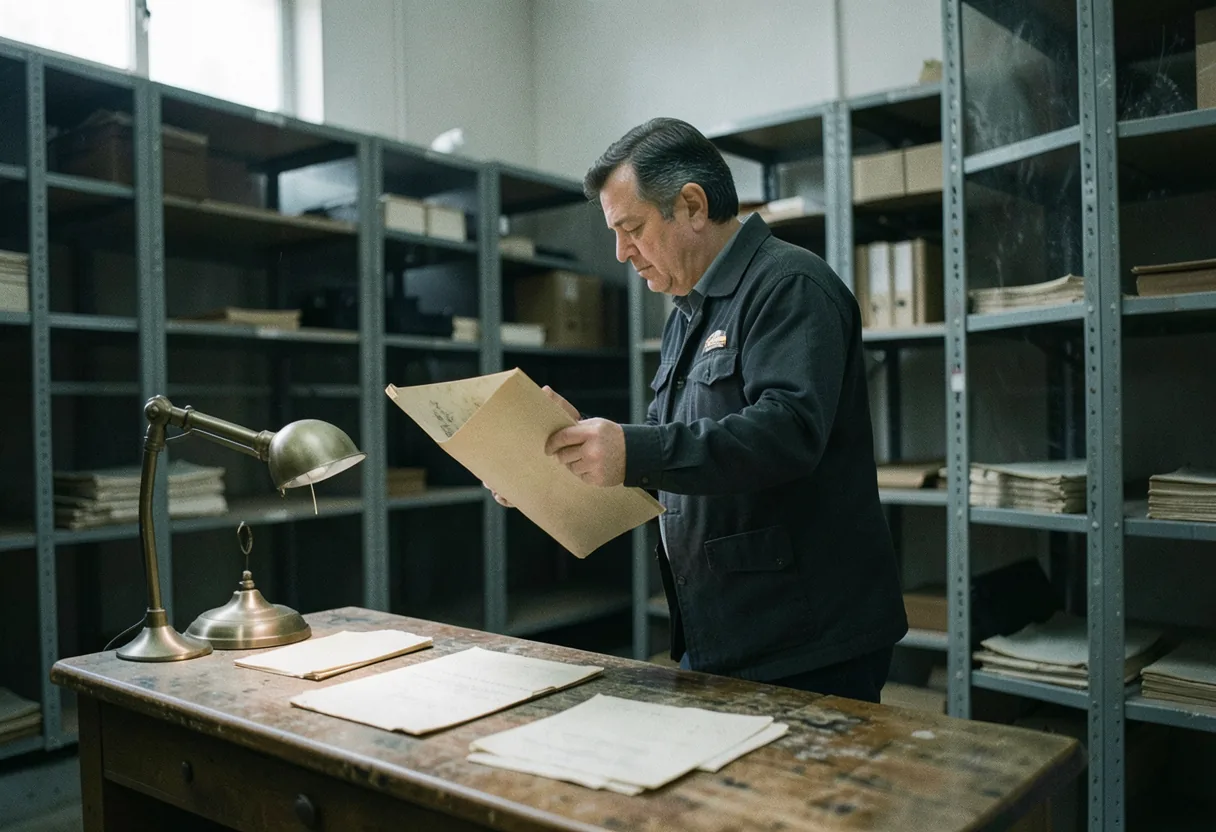
The South Australian Police Department holds historical case files dating back to 1838, accessible through the State Records of South Australia. These archives include records from the Adelaide Police Station and regional branches, documenting crimes, investigations, and court proceedings. Researchers can explore digitized versions of these files online.
The South Australian Police Case Files Archive is a digital collection of historical criminal records maintained by the South Australia Police (SAPOL) for research and public access.
Think of it like a time capsule of justice: each case file is a snapshot of a crime, its investigation, and its resolution, complete with original documents, witness statements, and sometimes even crime scene photos, much like a forensic archeologist’s excavation of the past.
Key facts
- The archive contains records dating back to the 1800s, covering crimes ranging from petty theft to infamous murders.
- Access is available through the SA Police History Archive website, with digital scans of original documents for public review.
- Some files are redacted to protect privacy, while others remain fully accessible for academic and genealogical research.
- The archive includes notable cases like the 1922 murder of Frederick Brooks, one of Adelaide’s earliest recorded serial killer investigations.
How to Access the South Australian Police Case Files Archive
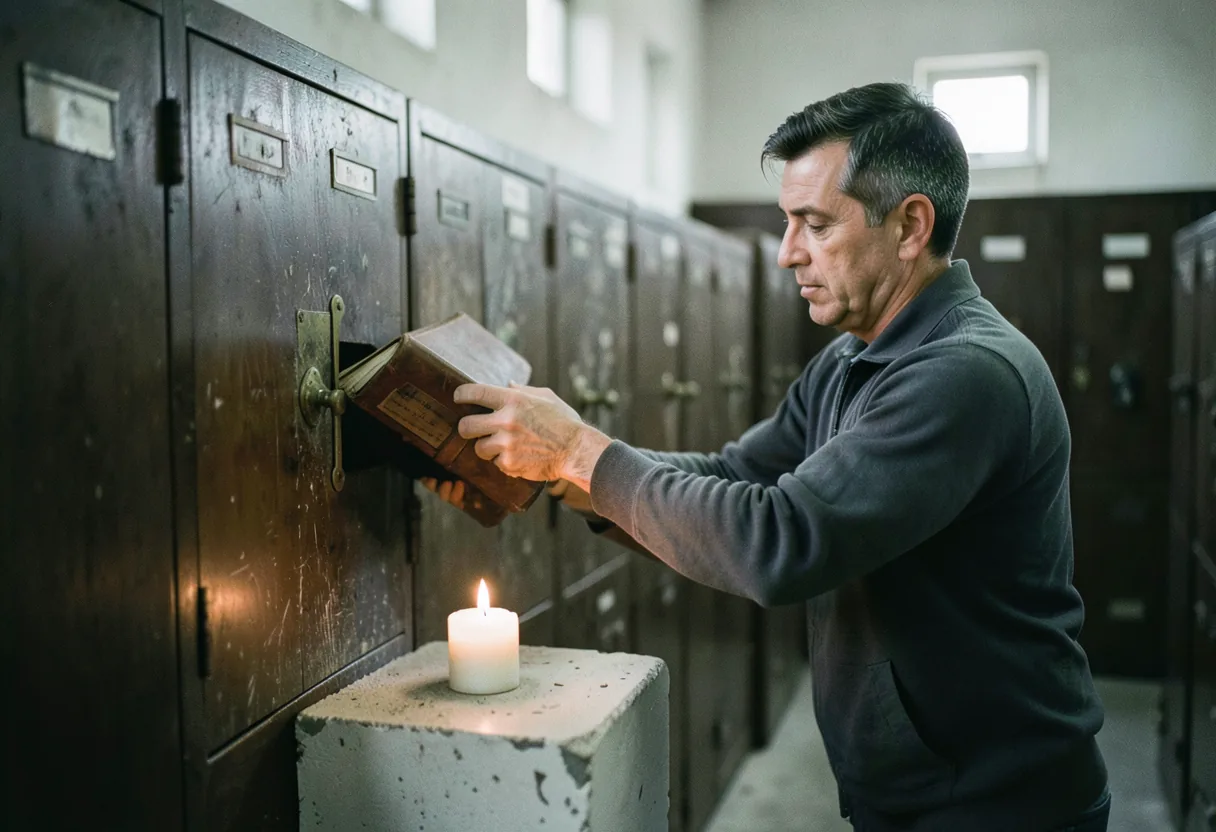
The archive is housed online, requiring no physical visit to a repository. Users can browse case files by decade, crime type, or defendant name. The interface is designed for simplicity, with filters to narrow down searches, ideal for historians or descendants tracing family histories tied to past legal troubles.
For example, the 1930s section includes the case of Eleanor Bonte, a nurse accused of poisoning patients. Her file, complete with coroner’s reports, reveals how forensic science of the era pieced together evidence from traces of arsenic in victims’ tissues. The archive’s scans preserve ink smudges and faded typewriter text, adding a layer of authenticity rarely found in digitized records.
What Types of Cases Are Included in the Archive?
The archive spans a wide spectrum of criminal activity, from violent crimes to economic offenses. Murder investigations dominate the collection, but theft, fraud, and public disorder cases also appear. One standout example is the 1901 theft of gold ingots from a Port Adelaide warehouse, a case that exposed corruption within the police ranks of the time.
For researchers, the archive is particularly valuable for its inclusion of cold cases. The unsolved 1921 murder of Mary Hanning, for instance, remains open in the digital records, inviting modern sleuths to revisit witness statements and coroner’s notes with fresh eyes. These files often include handwritten marginalia from investigators, offering glimpses into the thought processes of early 20th-century policework.
How Accurate and Complete Are the Records?
While the archive strives for completeness, some files are incomplete due to loss or redaction. For instance, the 1940s files of suspected wartime spies are heavily censored, with key details blacked out for national security reasons. The archive’s curators note that missing pages are often due to physical deterioration of the original documents, not intentional omission.
The first time I really looked at these files, I was struck by the raw, unfiltered language of early police reports. The 1880s file on the “Adelaide Poisoner,” for example, includes graphic descriptions of autopsies written in a blunt, no-nonsense style that contrasts sharply with today’s clinical terminology. This rawness makes the archive not just a legal record but a linguistic and cultural artifact.
Notable Cases in the South Australian Police Case Files Archive
Some cases have gained infamy beyond South Australia, attracting international attention. The 1933 case of Eric Edwin Cooke, Australia’s last man hanged for murder, is a prime example. His file includes psychological evaluations and conflicting witness testimonies, providing a microcosm of the era’s attitudes toward capital punishment.
For a deeper dive, the archive’s entry on the 1963 “Beachport Murders” offers a chilling look at how small-town communities reacted to violent crime. The case files include newspaper clippings and letters from local residents, showing how public sentiment shaped the investigation. The accused, Thomas John Francis, was ultimately convicted, but the file’s inclusion of contemporary editorials reveals the tension between justice and vigilantism in rural Australia.
How the Archive Supports Research and Education
The archive is a goldmine for academics studying criminal justice history. The University of Adelaide’s criminology department, for example, regularly assigns case studies from the archive to students analyzing forensic practices over time. The files from the 1910s, in particular, showcase the transition from reliance on witness testimony to the adoption of fingerprinting and ballistics.
Genealogists also rely on the archive to fill gaps in family histories. The 1905 case of John Smith, a convict transported from England, includes records of his criminal past and eventual rehabilitation in South Australia. These files often reveal details omitted from official census data, such as aliases used by ancestors or hidden criminal records.
Limitations of the Archive
While the archive is extensive, it has limitations. Some records are incomplete due to fire damage or deliberate destruction. The 1920s files of suspected anarchists, for example, are notably sparse, likely due to government censorship of the era. Additionally, not all cases are digitized, and some require in-person requests for physical access.
The archive also faces challenges with readability. Faded handwriting and archaic legal terminology can make some files difficult to decipher without expert assistance. The 1890s case of Mary Jane Finn, for instance, includes a mix of shorthand and legal jargon that even experienced researchers may struggle with.
How to Cite the South Australian Police Case Files Archive
For academic use, the archive provides citation guidelines to ensure proper attribution. Researchers are encouraged to cite the specific case file number, decade, and document type. For example, a citation for the 1922 Brooks case might read: “SAPOL Case File #1922-045, Brooks Murder Investigation, 1922, South Australian Police Case Files Archive.”
Genealogists and historians often combine archive citations with references to related materials, such as newspaper articles or court transcripts. The 1930s Bonte case, for instance, is frequently cited alongside contemporary press coverage from the Adelaide Advertiser to provide context for public sentiment at the time.
Future Plans for the Archive
The South Australian Police History Archive is continually expanding, with plans to digitize more pre-1900 records. Curators are also working on transcription projects to make handwritten documents more accessible. The 1870s files, for example, are a priority due to their historical significance in shaping early police procedures.
Community involvement is encouraged, with the archive accepting donations of related artifacts and documents. The 1950s case of the “Mount Lofty Strangler,” for example, was recently supplemented with letters from a retired detective who worked on the original investigation. These contributions help fill gaps in the historical record and provide new perspectives on past crimes.
For those interested in exploring the archive, start with a specific case or decade to avoid overwhelm. The 1920s section is particularly engaging, offering a mix of high-profile murders and lesser-known but equally fascinating crimes. Whether you’re a researcher, genealogist, or true crime enthusiast, the South Australian Police Case Files Archive offers a unique window into the past.
Frequently asked questions
How far back do the South Australian Police Case Files Archive records go?
The archive holds records dating back to 1838, the year South Australia was established as a separate colony. These files document the earliest criminal cases, including infamous incidents like the 1842 Mount Bryan bushranger attacks, providing a unique glimpse into colonial law enforcement.
Can anyone access these case files, or are there restrictions?
Access is open to the public, but certain files may be restricted due to privacy concerns or ongoing legal matters. For instance, files involving minors or sensitive personal information are typically closed for 100 years. Researchers can visit the State Records of South Australia in Adelaide to view the documents.
What kind of information is typically found in these case files?
Each file contains a wealth of details, including witness statements, police reports, coroner’s findings, and sometimes photographs or sketches. For example, the 1882 case of Frederick Baumeister includes his confession and the coroner’s inquest report, offering a comprehensive view of the investigation.
How are these historical case files organized and searched?
Files are organized by case number and year, with an index available online. The State Records of South Australia website provides a searchable database where users can filter by keywords, dates, or locations. For instance, searching for 'Port Adelaide' reveals cases tied to that region, such as the 1870s dockyard thefts.