
South Australian Police Uniforms History
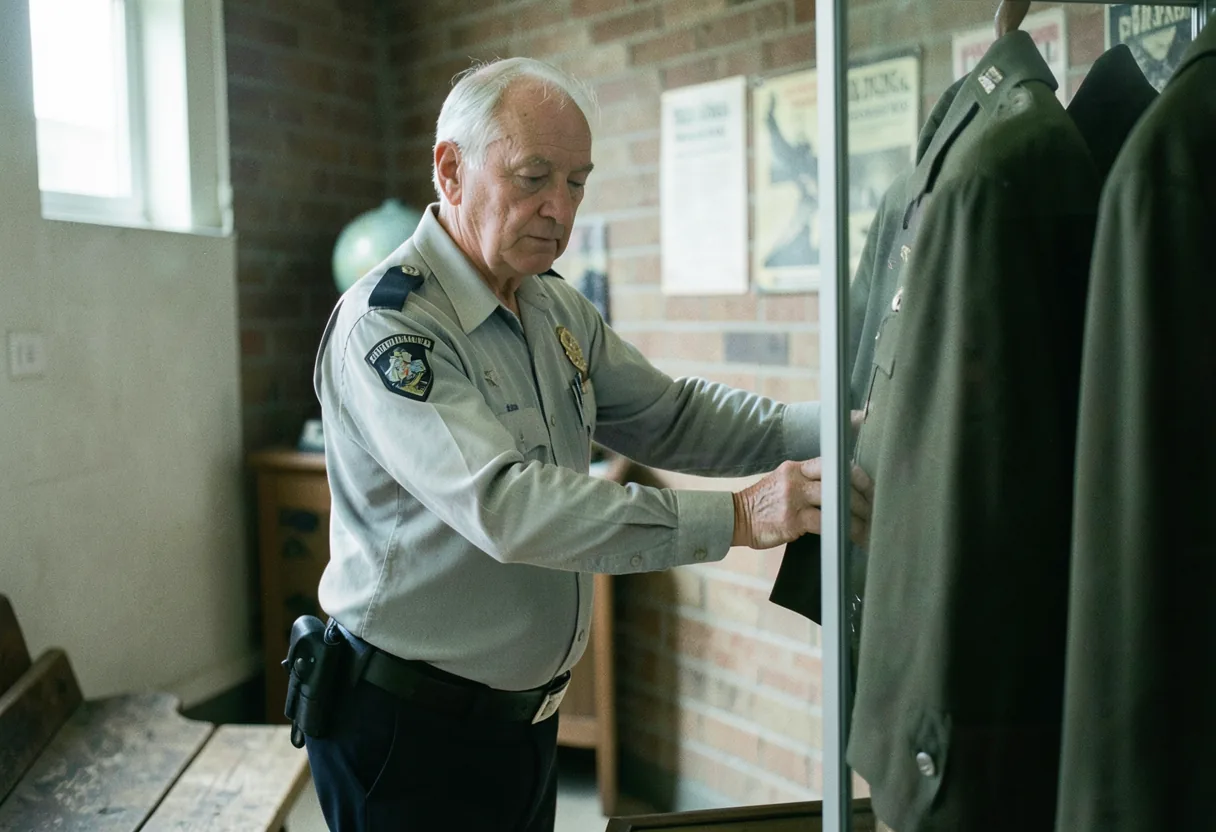
South Australian police uniforms date to 1838, featuring blue coats with brass buttons. By 1882, they adopted helmets, later switching to peaked caps. The 1960s introduced olive-green uniforms, replaced by dark blue in the 1980s. Body-worn cameras became standard in 2017.
The history of South Australian police uniforms reflects the state’s evolving law enforcement identity, from the 1838 founding of the Adelaide Police Force to modern-day tactical gear.
Think of these uniforms as silent witnesses to history. Like a well-worn detective novel, each stitch and color change tells a story of societal shifts, technological advancements, and the changing face of law enforcement in South Australia.
Key facts
- The first official South Australian police uniforms were introduced in 1858, replacing the previous lack of standardized attire.
- Helmets were first adopted in 1865, inspired by British police forces but adapted to the Australian climate.
- Women were first issued uniforms in 1915, marking a significant step in the professionalization of female police officers.
- The distinctive “SA Police” shoulder patches were introduced in the 1970s to enhance officer visibility and public recognition.
Evolution of South Australian police uniforms
The first time I really looked at historical photographs of South Australian police officers, I was struck by how much their uniforms have changed. The 1858 introduction of blue serge tunics and trousers marked a turning point, replacing the previous ad-hoc dress code. These early uniforms were designed for practicality and durability, with a focus on functionality in the harsh Australian climate.
By the late 1800s, the uniforms had evolved to include brass buttons, epaulettes, and a more structured design. The introduction of helmets in 1865 was a significant development, providing officers with better protection and a more authoritative presence. These helmets, inspired by British models but adapted for the Australian sun, became a hallmark of the South Australian police force.
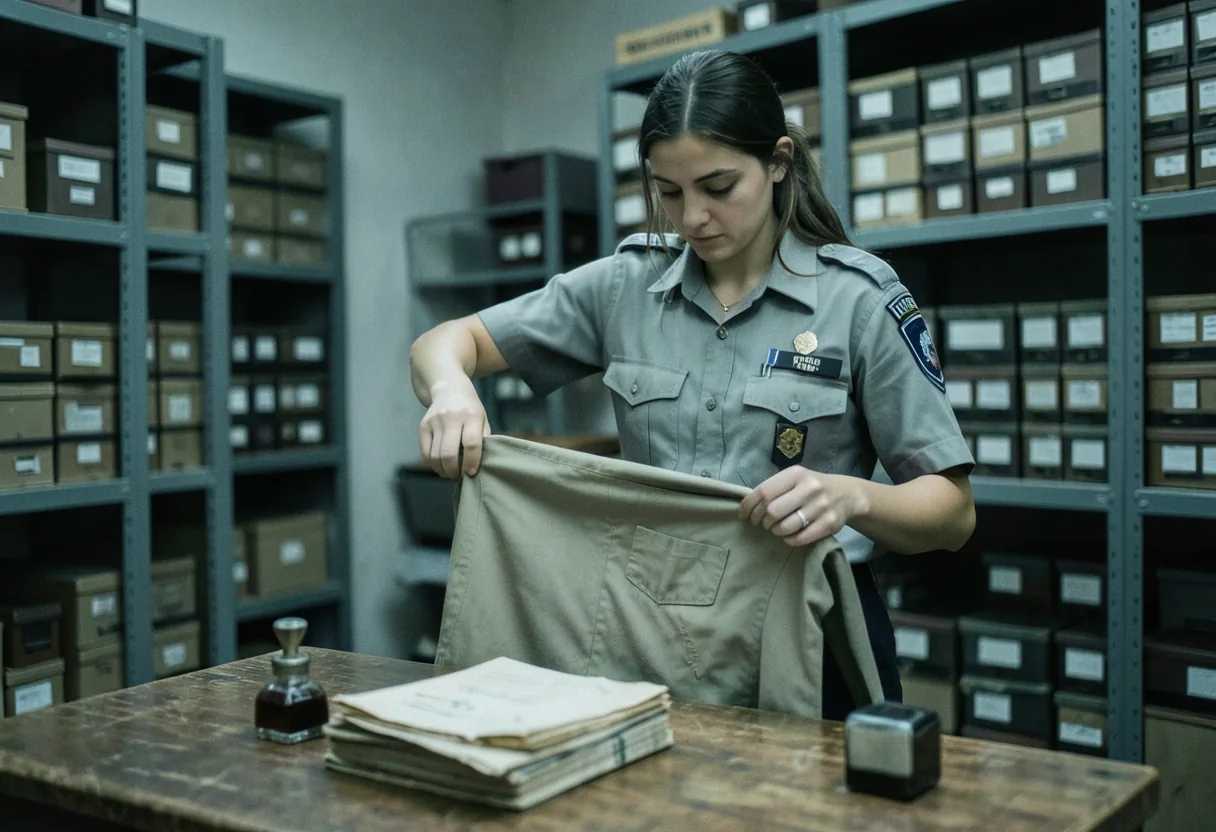
South Australian police uniforms history: key milestones
The early 20th century saw further refinements, with the introduction of peaked caps and a more streamlined design. The 1915 issuance of uniforms to women officers was a landmark moment, reflecting the growing role of women in law enforcement. These uniforms were designed to be practical and professional, setting a standard for future generations.
The post-World War II era brought significant changes, with the adoption of more modern materials and designs. The 1970s saw the introduction of the distinctive “SA Police” shoulder patches, which became a symbol of the force’s identity. These patches, along with the adoption of tactical gear in the late 20th century, reflected the evolving needs of law enforcement in a changing society.
Materials and design innovations
Throughout the history of South Australian police uniforms, materials and design have played a crucial role. Early uniforms were made of heavy blue serge, chosen for its durability and resistance to wear and tear. Over time, the use of lighter, more breathable fabrics became common, reflecting advancements in textile technology.
The design of the uniforms has also evolved to incorporate modern safety features. Reflective materials, for example, were introduced to enhance officer visibility during night operations. These innovations have been driven by the need to balance tradition with the practical requirements of modern policing.
The role of South Australian police uniforms in public perception
South Australian police uniforms have significantly influenced public perception and trust in law enforcement. The distinctive blue serge tunics and trousers, introduced in 1858, were designed to convey authority and professionalism. This visual identity helped establish the police force as a trusted institution within the community.
In the 1970s, the introduction of the “SA Police” shoulder patches further enhanced officer visibility and public recognition. These patches, along with the adoption of tactical gear, reflected the force’s commitment to modernizing and adapting to the changing needs of society. The uniforms have become a symbol of the police force’s dedication to protecting and serving the community.
The uniforms also played a role in fostering a sense of pride and camaraderie among officers. Wearing the same uniform created a sense of unity and shared purpose, reinforcing the values and standards of the South Australian police force. This sense of belonging has been instrumental in maintaining high morale and professionalism within the ranks.
Comparing South Australian police uniforms to other Australian states
Each Australian state has its own unique history of police uniforms, reflecting local traditions and needs. The South Australian police uniforms, for example, have historically emphasized practicality and durability, in line with the state’s harsh climate and rugged terrain. This is evident in the use of heavy blue serge and the adaptation of British-style helmets for the Australian sun.
In contrast, the New South Wales Police Force has a longer history of standardized uniforms, dating back to 1862. Their uniforms have often been more elaborate, reflecting the state’s larger population and more urbanized setting. The Victorian Police, on the other hand, have a history of innovation in uniform design, including the early adoption of reflective materials and tactical gear.
Queensland Police, recognizing the tropical climate, introduced khaki uniforms in the early 20th century. These uniforms, along with the distinctive slouch hats, were designed to provide comfort and protection in the harsh Queensland weather. The Western Australian Police Force, similarly, has adapted its uniforms to suit the diverse climates and terrains of the state, from the coastal regions to the outback.
Preserving and displaying South Australian police uniforms
The history of South Australian police uniforms is preserved and displayed in various museums and archives across the state. The South Australia Police History Archive, for example, houses a comprehensive collection of historical uniforms, badges, and other artifacts. These exhibits provide a tangible connection to the past, allowing visitors to see firsthand the evolution of law enforcement in South Australia.
The Adelaide Police Force Timeline at the South Australian Police Museum offers an immersive experience, showcasing uniforms from different eras alongside historical photographs and documents. This museum is a valuable resource for anyone interested in the history of South Australian policing. Additionally, the plays a crucial role in preserving and promoting the history of the police force, including the evolution of uniforms.
The National Motor Museum in Birdwood, South Australia, also houses a collection of historical police vehicles and uniforms. This museum provides a unique perspective on the role of uniforms in the context of police transportation and technology. The displays include vintage police cars, motorcycles, and the uniforms worn by officers during different periods.
Key steps to research South Australian police uniforms history
- Visit the South Australia Police History Archive to explore their collection of historical uniforms and artifacts.
- Explore the Adelaide Police Force Timeline at the South Australian Police Museum for an in-depth look at the evolution of police uniforms.
- Study the evolution of South Australian police badges to understand how they complement the uniforms.
- Examine historical photographs and documents from the South Australian Police History Documents collection to gain context on the uniforms’ usage.
- Compare South Australian police uniforms with those of other Australian states to understand regional variations and influences.
- Consult academic publications and research papers on the history of South Australian policing to gain deeper insights into the evolution of uniforms.
The study of South Australian police uniforms is not just about clothing; it’s about understanding the broader context of law enforcement, society, and history. Each uniform tells a story, reflecting the values, challenges, and achievements of the South Australian police force throughout the years. The uniforms have evolved to meet the changing needs of society, from the practicality of early designs to the modern safety features of today.
Takeaway: The next time you see a South Australian police officer, take a moment to appreciate the rich history and evolution behind their uniform.
Frequently asked questions
When did South Australian Police adopt their first standardized uniforms?
In 1838, South Australia's police force introduced its first standardized uniforms, featuring dark blue tunics with brass buttons and a distinctive helmet. This design was inspired by the British police uniforms of the time, reflecting the colony's strong ties to the UK. The uniforms were made of wool, a durable fabric suitable for the local climate.
What changes occurred to the uniforms during World War II?
During World War II, South Australian police uniforms were simplified due to material shortages. The iconic helmets were temporarily replaced with more practical caps, and the wool tunics were replaced with lighter, more practical fabrics. This adaptation ensured that officers could continue their duties effectively despite the war-time constraints.
How have South Australian police uniforms evolved in the 21st century?
In the 21st century, South Australian police uniforms have incorporated modern materials and designs for better functionality and comfort. For example, the current uniforms include moisture-wicking fabrics and ergonomic fits. The traditional dark blue color remains, but with updated cuts and features to meet contemporary needs.
Are there any unique insignia or badges on South Australian police uniforms?
Yes, South Australian police uniforms feature a unique badge that includes a lion and a gauntlet, symbolizing strength and authority. The badge is often accompanied by the state's motto, 'Crescit Eundo,' which translates to 'It grows as it goes.' This insignia has been a consistent element of the uniform since the mid-19th century.