
South Australian Police Patrol History

South Australian police patrols began in 1838, with officers initially on horseback. By 1869, they adopted uniforms, and in 1946, the first police radio network was established. Today, SAPOL uses modern vehicles and technology for patrols.
South Australian police patrol history traces the evolution of law enforcement in the region from early mounted troopers to modern-day police forces.
Think of it like a shift from lone rangers patrolling vast outbacks on horseback to a coordinated network of officers in marked vehicles, much like moving from a single spotlight to a grid of floodlights illuminating every corner.
Key facts
- The South Australian police force was officially formed in 1838, making it one of the oldest in Australia.
- Mounted troopers were the first form of police patrols in the region, addressing the vast distances and rugged terrain.
- The introduction of motorized vehicles in the early 20th century revolutionized patrol methods and response times.
- Community policing initiatives became a significant focus from the 1970s onwards, enhancing public trust and cooperation.
Early Days: Mounted Troopers and Pioneering Patrols
The first police patrols in South Australia were mounted troopers, essential for covering the vast and often inhospitable landscapes of the early colony. These troopers, equipped with horses and basic supplies, were responsible for maintaining law and order in remote areas where settlements were sparse. The use of horses allowed them to traverse difficult terrains and respond to incidents more effectively than foot patrols.
The South Australian police force was officially established in 1838, with the first troopers playing a crucial role in protecting early settlers and maintaining order. Their duties included patrolling vast stretches of land, tracking down criminals, and providing assistance to isolated communities. The mounted troopers were the backbone of law enforcement in the early days, setting the foundation for the modern police force.
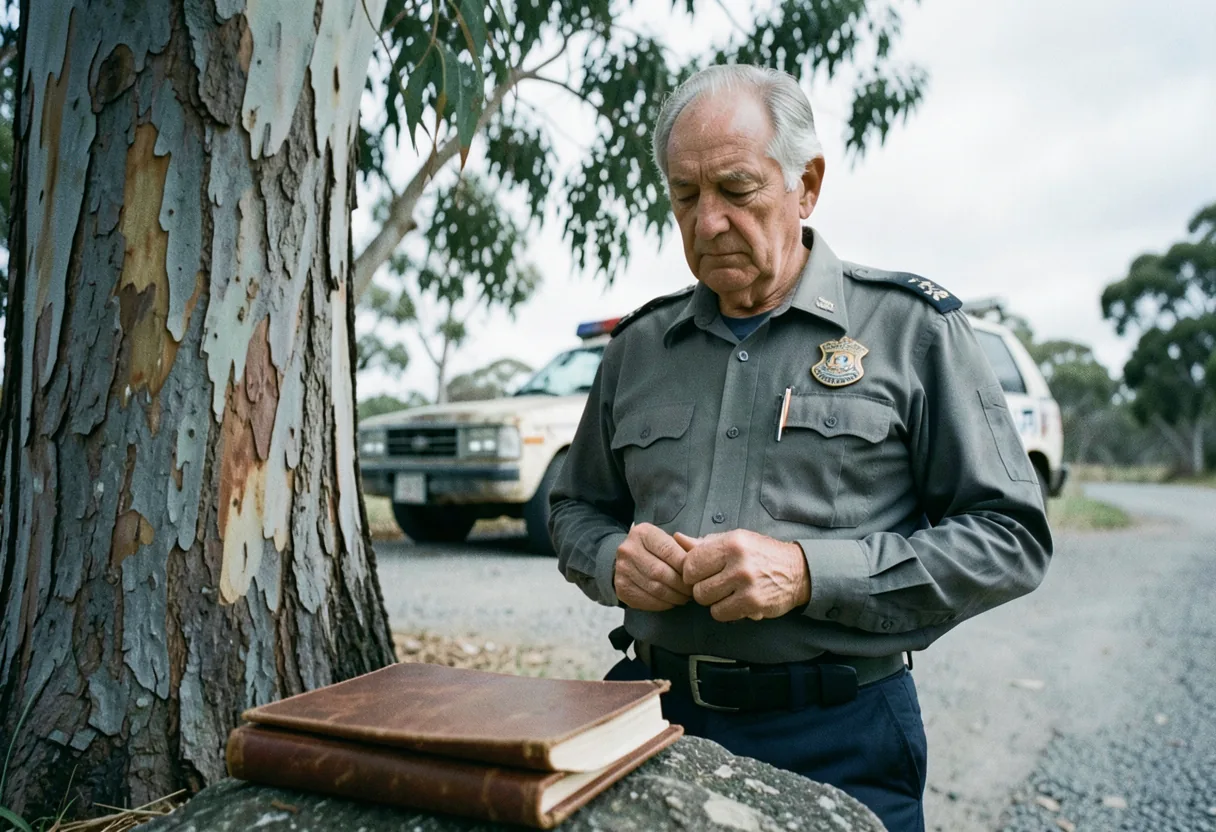
South Australian police patrol history: The Shift to Motorized Patrols
The early 20th century marked a significant shift in South Australian police patrol history with the introduction of motorized vehicles. This transition revolutionized patrol methods and response times, allowing officers to cover larger areas more efficiently. The first motorized patrols were introduced in the 1920s, and by the 1930s, they had become a standard feature of police operations.
The use of motorized vehicles enabled police to respond more quickly to emergencies and incidents, significantly improving public safety. The South Australian police force was quick to adopt this technology, recognizing its potential to enhance their effectiveness. The shift to motorized patrols also allowed for better coordination and communication among officers, leading to more efficient law enforcement.
Community Policing and Modern Innovations
From the 1970s onwards, community policing initiatives became a significant focus for the South Australian police force. These initiatives aimed to build stronger relationships between police and the communities they served, enhancing public trust and cooperation. Community policing involved officers engaging with local residents, addressing their concerns, and working together to prevent crime.
Modern innovations in policing have further enhanced the effectiveness of police patrols. The use of advanced technology, such as GPS tracking and mobile data terminals, has allowed officers to respond more quickly and accurately to incidents. Additionally, the implementation of community policing strategies has led to a more proactive approach to law enforcement, with officers working closely with local residents to identify and address potential issues before they escalate.
The Role of Technology in Modern Police Patrols
Technology has played a pivotal role in shaping the modern police patrol. The South Australian police force has embraced various technological advancements to improve their operations. One notable example is the use of GPS tracking systems, which allow officers to navigate efficiently and respond to incidents more quickly. These systems also enable better coordination among officers, ensuring that resources are deployed effectively.
Mobile data terminals have become another essential tool for modern police patrols. These devices allow officers to access real-time information, such as criminal records and incident reports, while in the field. This access to information enables officers to make more informed decisions and respond more effectively to situations. The integration of technology into police operations has significantly enhanced the efficiency and effectiveness of police patrols in South Australia.
The Impact of Community Policing on Public Safety
Community policing has had a profound impact on public safety in South Australia. By fostering stronger relationships between police and the communities they serve, community policing initiatives have enhanced public trust and cooperation. This approach has led to a more proactive stance on crime prevention, with officers working closely with local residents to address potential issues before they escalate.
One notable example of community policing in action is the establishment of neighborhood watch programs. These programs encourage residents to work together with police to monitor and report suspicious activities in their neighborhoods. The success of these programs has been evident in the reduction of crime rates and the increased sense of security among residents. Community policing has not only improved public safety but has also strengthened the bond between the police force and the communities they serve.
Comparative Timeline of Key Developments
Notable Historical Events and Their Influence
Several notable historical events have influenced the evolution of police patrols in South Australia. One such event is the establishment of the Adelaide Watch House in 1858, which served as a central point for processing and detaining suspects. This facility played a crucial role in maintaining law and order in the growing city of Adelaide.
The 1930s saw the introduction of the first police radio system in South Australia, which significantly improved communication among officers. This advancement allowed for faster response times and better coordination during emergencies. The radio system became an essential tool for police patrols, enabling officers to stay connected and informed while in the field.
Historical vs. Modern Patrol Methods
The first time I really looked at the detailed records of early mounted troopers, I was struck by their resilience and adaptability. Patrolling vast, often hostile territories on horseback required not just physical endurance but also a deep understanding of the land and its people. This historical context underscores the significant advancements in police patrols over the years, highlighting the importance of adapting to changing circumstances and embracing new technologies.
The Future of Police Patrols in South Australia
Looking ahead, the future of police patrols in South Australia is likely to be shaped by continuing advancements in technology and a growing emphasis on community engagement. The integration of artificial intelligence and data analytics into police operations could further enhance the effectiveness of patrols, enabling officers to predict and prevent crime more accurately. Additionally, the ongoing development of community policing initiatives will continue to strengthen the bond between the police force and the communities they serve.
As the South Australian police force continues to evolve, it is essential to remain adaptable and proactive in addressing the changing needs of the community. By embracing new technologies and fostering stronger relationships with residents, the police force can ensure that it remains an effective and trusted institution, capable of maintaining law and order in an ever-changing environment.
Embracing community policing and advanced technology is key to enhancing public safety and trust in South Australia.
Frequently asked questions
When did South Australian Police start using motorcycles for patrols?
Motorcycles were introduced in 1912, making South Australia one of the earliest police forces to adopt this technology. The initial fleet included Indian motorcycles, known for their reliability. This innovation significantly improved response times in urban areas like Adelaide.
What was the significance of the 1936 establishment of the Traffic Branch?
The Traffic Branch was formed to manage the increasing number of vehicles on South Australian roads. By 1936, Adelaide had over 50,000 registered vehicles. This branch introduced specialized training for officers and implemented the first traffic light systems in the city.
How did World War II impact South Australian Police patrols?
During WWII, many officers were deployed for military service, reducing patrol numbers. To compensate, the force relied heavily on volunteer special constables. Patrols focused on blackout compliance and air raid precautions, reflecting the wartime priorities.
What technological advancements were made in the 1970s for South Australian Police patrols?
The 1970s saw the introduction of two-way radios in patrol cars, enabling real-time communication. Additionally, the force adopted computer systems for record-keeping, improving efficiency. These changes were part of a broader modernization effort across Australian police forces.