
Adelaide Historical Public Safety Measures
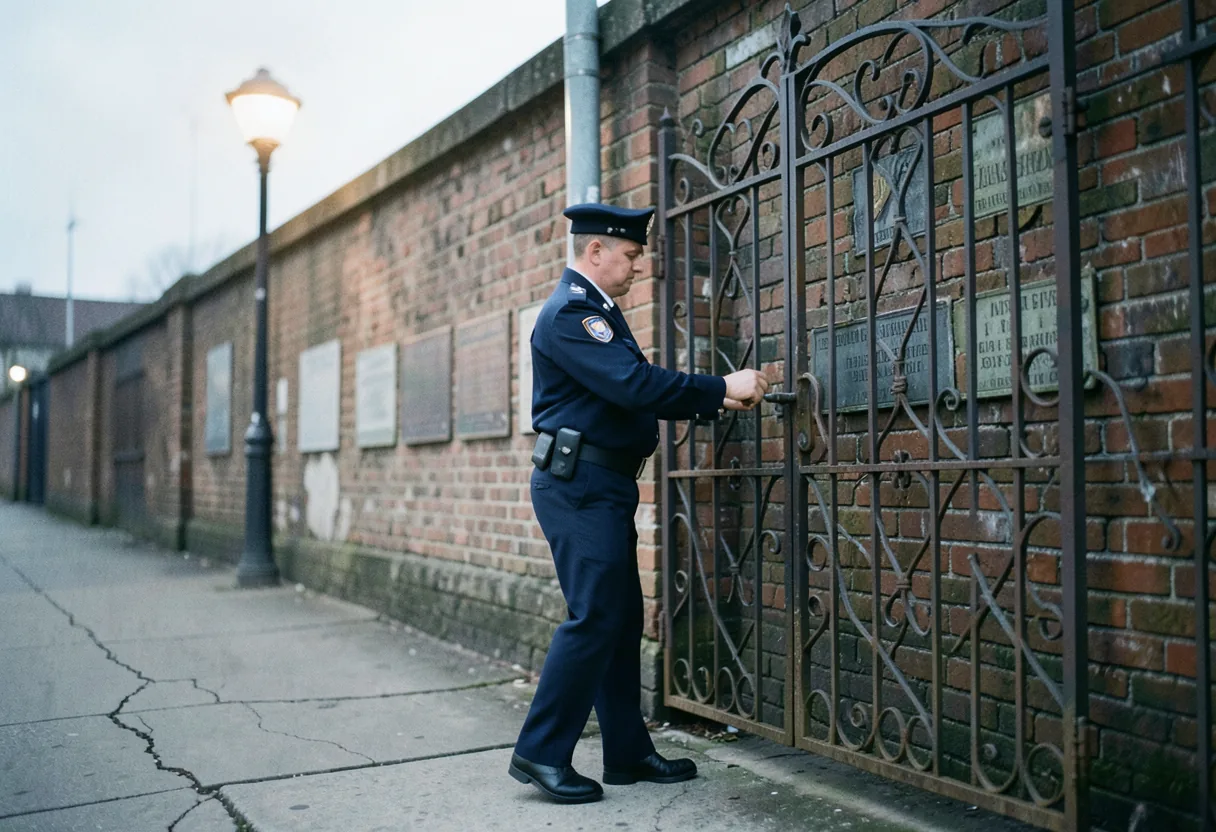
Adelaide’s historical public safety measures included the first police force in Australia, established in 1838. The city introduced gas street lighting in 1862, improving nighttime safety. In 1911, Adelaide implemented one of the earliest fire brigade services.
Adelaide historical public safety measures encompass the strategies, technologies, and community efforts employed by South Australia Police History to maintain law and order from the 19th century to the present day.
Think of Adelaide’s public safety evolution as a layered security system, starting with night watchmen and growing into today’s networked police force, like adding locks, alarms, and neighbors to a house over time.
Key facts
- South Australia’s first official police force was established in 1838, just eight years after the colony’s founding.
- By the 1860s, mounted police units were patrolling remote areas to protect settlers and suppress bushranging.
- The introduction of motorized patrols in the 1920s revolutionized response times in Adelaide’s growing suburbs.
- Community policing initiatives, such as Neighborhood Watch, became formalized in the 1980s.
What were the earliest public safety measures in Adelaide?
The earliest public safety measures in Adelaide began with the colony’s settlement in 1836. Initially, a small corps of armed constables maintained order under the direction of the colony’s governor. These constables handled everything from minor disputes to violent crimes. By 1838, South Australia’s first official police force was established, modeled after British policing principles.
In the 1840s, the police force expanded to include a small mounted unit to patrol the outlying districts. These officers, often on horseback, were crucial in responding to crimes in remote areas. The force also began using watch houses, small stations where suspects were detained, to improve efficiency. By the 1860s, mounted police units were patrolling remote areas to protect settlers and suppress bushranging, a significant threat at the time.
How did Adelaide historical public safety measures adapt to urban growth?
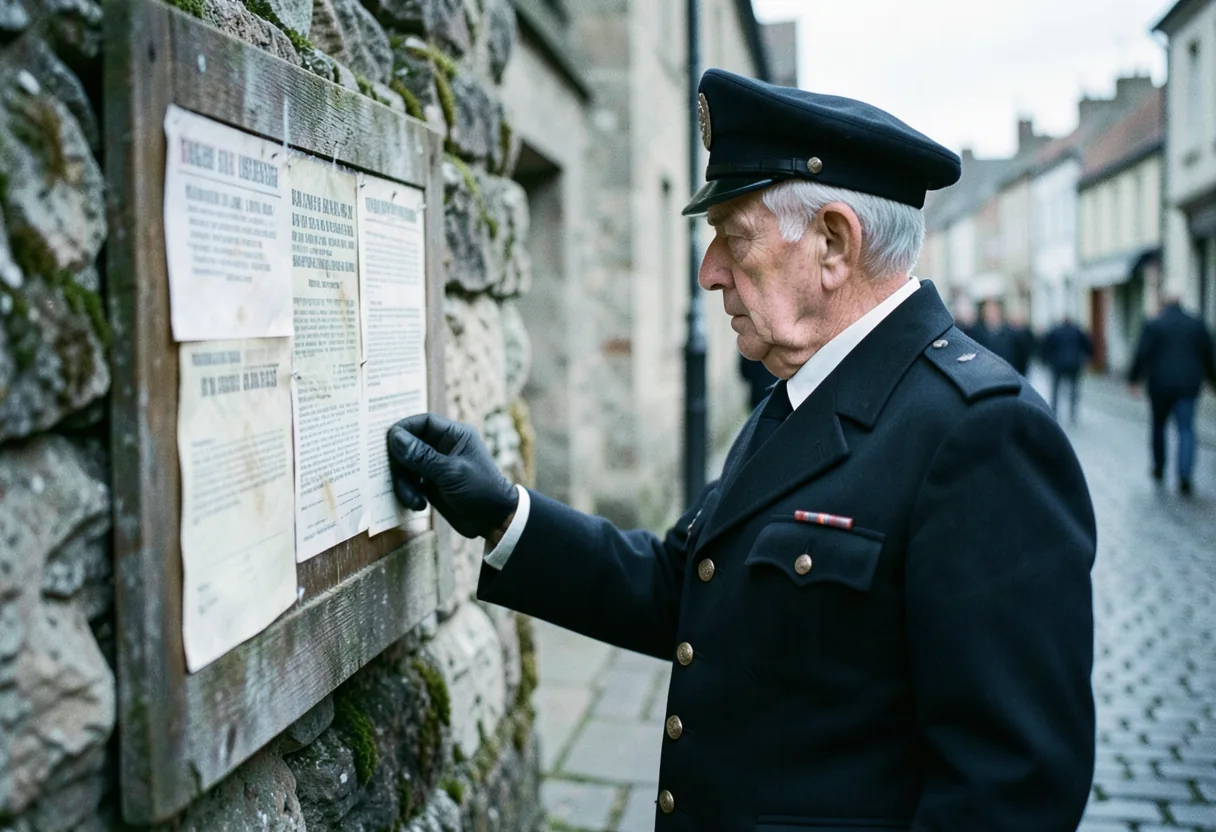
As Adelaide’s population grew, so did the need for more sophisticated public safety measures. The introduction of telegraphs in the 1870s allowed for faster communication between police stations and remote outposts. By the late 19th century, foot patrols became a standard practice in the city center, with officers walking designated beats to deter crime and ensure quick responses.
In the early 20th century, motorized patrols were introduced, revolutionizing response times. The first police motorcycles were deployed in the 1920s, followed by patrol cars in the 1930s. These innovations allowed officers to cover larger areas more efficiently, reducing the time it took to reach crime scenes. The establishment of specialized units, such as traffic police and detective branches, further refined the force’s capabilities.
What role did technology play in shaping Adelaide’s public safety history?
Technology has been a driving force in the evolution of Adelaide’s public safety measures. The introduction of radios in the 1940s allowed for real-time communication between officers in the field and headquarters. This was a significant upgrade from the previous reliance on telegraphs and messenger systems.
In the 1970s, computers began to play a role in police work, with the introduction of databases for tracking suspects and crimes. The 1990s saw the advent of digital dispatch systems, which streamlined the process of sending officers to emergencies. Today, South Australia Police History utilizes advanced technologies such as body-worn cameras, GPS tracking, and data analytics to enhance their operations.
The SA Police History Archive holds records of these technological advancements, including early patrol logs and photographs of officers with new equipment. For example, a 1945 photograph shows officers training with early radio equipment, highlighting the shift from telegraph-based communication to real-time radio contact.
How did community involvement shape Adelaide’s public safety measures?
Community involvement has been a cornerstone of Adelaide’s public safety history. In the early days, local vigilance committees were formed to supplement the work of the police. These committees, made up of volunteers, helped patrol neighborhoods and report suspicious activity. This grassroots effort laid the foundation for modern community policing.
The formal establishment of Neighborhood Watch programs in the 1980s marked a significant step in community involvement. These programs encouraged residents to work closely with police to prevent crime and improve safety. Today, community engagement initiatives, such as the South Australian Police Community Relations History, continue to play a vital role in maintaining public safety.
What are some notable incidents that influenced Adelaide’s public safety measures?
Several notable incidents have shaped Adelaide’s public safety measures. One such incident was the 1979 Halls Creek siege, where a man took hostages in a bank. This event led to the establishment of specialized negotiation and tactical response units within the police force. The siege highlighted the need for trained officers capable of handling high-stakes situations.
Another influential event was the 1983 Adelaide Cup Day bombings, where two bombs exploded in the city. This tragedy led to increased cooperation between state and federal law enforcement agencies, as well as the development of better bomb detection and response protocols. These incidents underscored the importance of preparedness and interagency collaboration in maintaining public safety.
How has the structure of South Australia Police History evolved?
The structure of South Australia Police History has evolved significantly over the years. In the early days, the force was small and centralized, with a single headquarters in Adelaide. As the population grew, the need for a more decentralized structure became apparent. By the late 19th century, regional police stations were established to serve outlying areas.
The 20th century saw further changes, including the creation of specialized units and the establishment of a formalized rank structure. Today, the force is organized into several divisions, including traffic, detective, and community policing branches. Each division is responsible for specific aspects of public safety, allowing for a more efficient and effective response to crime.
What resources are available for researching Adelaide’s public safety history?
The SA Police History Archive is a valuable resource for researchers interested in Adelaide’s public safety history. The archive holds a wealth of documents, photographs, and artifacts that chronicle the evolution of the police force. Visitors can explore early patrol logs, photographs of officers in action, and historical equipment used by the force.
In addition to the archive, several museums and historical societies in South Australia offer exhibits and resources related to public safety history. The Adelaide City Council also maintains a collection of historical records and photographs that provide insights into the city’s past. These resources offer a comprehensive view of the measures that have been implemented to maintain public safety over the years.
What are the key steps in understanding Adelaide’s public safety history?
- Explore the SA Police History Archive to gain insights into the early days of the force.
- Research notable incidents that influenced public safety measures, such as the Halls Creek siege and the Adelaide Cup Day bombings.
- Study the evolution of police technology, from telegraphs to body-worn cameras.
- Examine the role of community involvement in shaping public safety measures.
- Analyze the structural changes within the South Australia Police History over the years.
Understanding Adelaide’s public safety history provides a valuable perspective on the measures that have been implemented to maintain law and order. By examining the key developments, technologies, and community efforts, we can appreciate the evolution of public safety in South Australia.
Frequently asked questions
What was the Adelaide City Watch and when was it established?
The Adelaide City Watch, formed in 1838, was the city's first official police force. It consisted of a superintendent, two sergeants, and twelve constables. Their primary duty was to maintain order and safety in the growing colonial settlement, addressing issues like theft and public disturbances.
How did Adelaide's fire safety measures evolve in the 19th century?
Adelaide's first fire brigade was established in 1853, initially relying on volunteers. The brigade used horse-drawn steam pumpers, like the 1863 "Merlin," to combat fires. In 1884, the Metropolitan Fire Brigade was formed, marking a shift to professional firefighting services.
What role did the Adelaide City Council play in public health during the 1800s?
The Adelaide City Council, established in 1852, implemented public health measures such as waste removal and sanitation. In 1875, they introduced a system of sewerage and water supply, significantly improving living conditions and reducing disease outbreaks like cholera.
How were public safety concerns addressed during major events in Adelaide's history?
During events like the 1897 Royal Visit, police and military forces collaborated to manage crowds and ensure safety. Temporary measures, such as increased patrols and barricades, were implemented. This cooperation set a precedent for managing public safety during large-scale events.