
Adelaide Historical Crime Photography
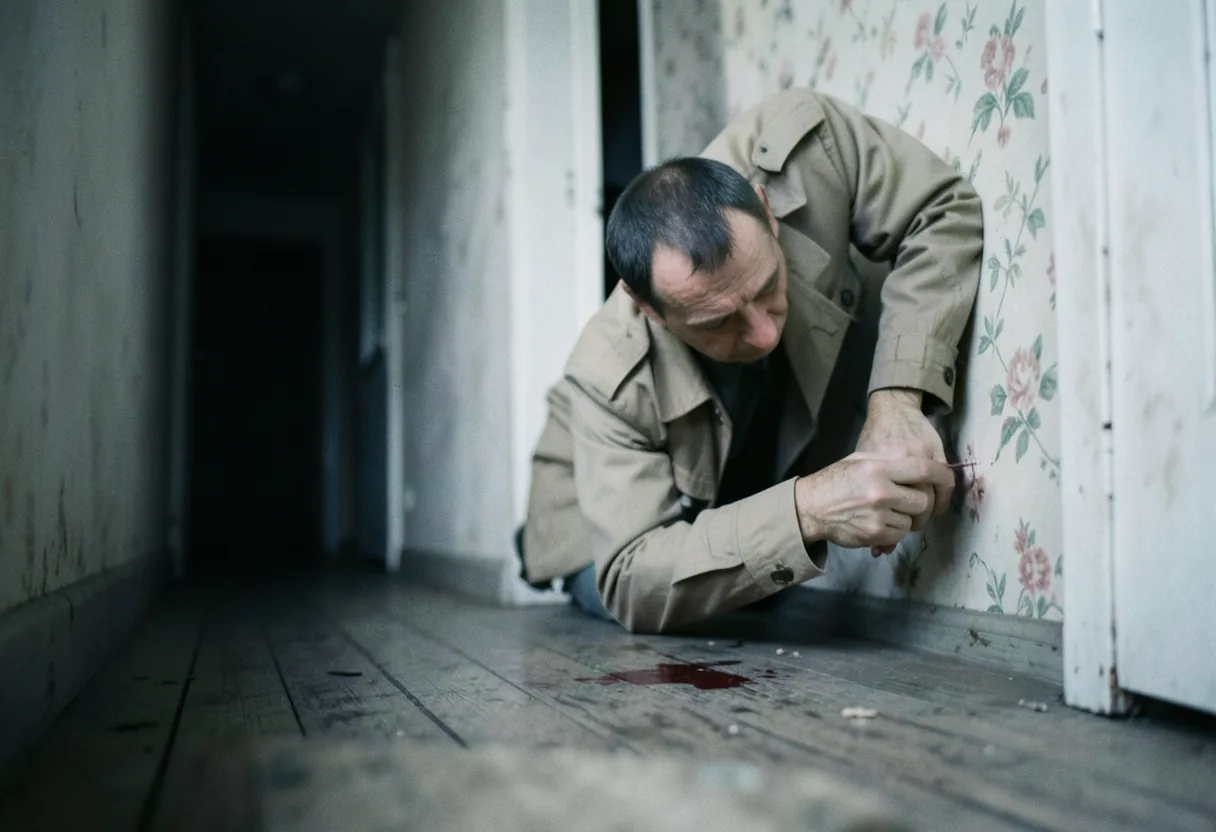
Adelaide’s historical crime photography began in 1888 with John Henry Carleton, a police photographer who documented crime scenes for investigations. His work, like images of the 1889 murder of Mary Hennessey, provided crucial evidence and set a precedent for forensic photography in Australia.
Key facts
- Adelaide historical crime photography refers to photographic records of criminal activity and law enforcement in South Australia, dating back to the late 19th century.
- These images often include mugshots, crime scenes, and police procedural documentation.
- The South Australia Police History Museum holds a significant collection of these photographs.
- Many of these images are available for public access and research through the South Australian Police History Museum.
What is Adelaide historical crime photography?
Think of Adelaide historical crime photography as a visual time capsule, capturing the faces of criminals, the scenes of their crimes, and the methods used by police to solve cases. It’s like flipping through an old police case file, but with pictures.
Adelaide historical crime photography is a collection of images documenting criminal activities, police investigations, and law enforcement in South Australia. These photographs, spanning from the late 1800s to the mid-20th century, provide a unique window into the past, showcasing the evolution of forensic techniques, police procedures, and societal attitudes toward crime. The images often include mugshots of offenders, crime scene photographs, and procedural documentation that offer insights into historical criminal cases.
Where can you find Adelaide historical crime photography?
The primary repository for Adelaide historical crime photography is the South Australia Police History Museum. This museum houses an extensive collection of photographs, documents, and artifacts related to the history of policing in South Australia. The museum’s collection includes mugshots, crime scene images, and photographs of police equipment and uniforms.
The Adelaide Police History Archive Access also provides access to a wealth of historical crime photography. This archive is a treasure trove for researchers, historians, and anyone interested in the criminal history of Adelaide. The archive includes digitized photographs, police reports, and other documents that can be accessed online or in person.
What can you learn from Adelaide historical crime photography?
Adelaide historical crime photography offers a wealth of information about the criminal justice system in South Australia. These photographs provide a visual record of the types of crimes committed, the methods used by police to investigate and solve cases, and the evolution of forensic techniques. For example, early mugshots often included detailed descriptions of the offender’s physical characteristics, providing valuable insights into the identification methods used by police.
These images also shed light on societal attitudes toward crime and punishment. For instance, photographs from the early 20th century show the use of public shaming as a form of punishment, with offenders often displayed in public spaces as a deterrent to others. Additionally, the photographs document the changing roles of women in policing, as female officers became more involved in law enforcement throughout the 20th century.
How is Adelaide historical crime photography preserved and digitized?
The preservation and digitization of Adelaide historical crime photography are crucial for ensuring that these valuable records are accessible to future generations. The South Australia Police History Museum and the Adelaide Police History Archive have undertaken extensive efforts to preserve and digitize their collections. This includes using specialized techniques to restore damaged photographs, as well as creating high-resolution digital copies to ensure long-term accessibility.
One notable project is the digitization of mugshot collections. These mugshots, which often include detailed descriptions of offenders, have been scanned and made available online. This allows researchers and the public to access these records from anywhere in the world. The digitization process also includes the creation of metadata, which provides additional context and searchability for the photographs.
Why is Adelaide historical crime photography important?
Adelaide historical crime photography is important for several reasons. First, it provides a visual record of the criminal justice system in South Australia, offering insights into the methods used by police to investigate and solve cases. Second, it documents the evolution of forensic techniques, showcasing how technology and scientific advancements have changed the way crimes are investigated. Finally, these photographs offer a unique perspective on societal attitudes toward crime and punishment, providing valuable context for understanding the historical and cultural landscape of South Australia.
How to access and research Adelaide historical crime photography?
Accessing and researching Adelaide historical crime photography is relatively straightforward. The South Australia Police History Museum and the Adelaide Police History Archive offer both in-person and online access to their collections. Researchers can visit the museum or archive to view the photographs in person, or they can access digitized collections online. Additionally, the National Archives of Australia provides access to a wealth of historical police records and crime scene photographs.
To get started, researchers can visit the websites of the South Australia Police History Museum and the Adelaide Police History Archive. These websites provide information on how to access the collections, as well as guidelines for conducting research. Researchers can also contact the museums directly to inquire about specific photographs or to arrange a visit.
- Visit the South Australia Police History Museum website to learn about their collection and access guidelines.
- Explore the Adelaide Police History Archive online to access digitized photographs and police reports.
- Contact the National Archives of Australia for information on historical police records and crime scene photographs.
- Plan a visit to the South Australia Police History Museum or the Adelaide Police History Archive to view the photographs in person.
- Consult historical police records and crime scene photographs to gain insights into the criminal justice system in South Australia.
Famous examples of Adelaide historical crime photography
One notable example of Adelaide historical crime photography is the mugshot of Elizabeth Martha Harvey, also known as the “Poisoner of Glenelg.” Harvey was convicted in 1904 for the poisoning of her husband and a friend. Her mugshot, taken at the time of her arrest, provides a striking visual record of one of South Australia’s most infamous criminal cases. The photograph, along with other documents related to her case, is housed in the South Australia Police History Museum.
Another famous example is the crime scene photographs from the 1922 murder of John Lewis. These photographs, taken by police officers at the scene of the crime, offer a detailed look at the investigation process and the methods used to solve the case. The photographs are part of the Adelaide Police History Archive and provide valuable insights into the forensic techniques of the early 20th century.
The role of Adelaide historical crime photography in education
Adelaide historical crime photography plays a significant role in education, particularly in the fields of criminology, history, and forensic science. These photographs provide valuable primary sources for students and researchers, offering insights into the criminal justice system and the evolution of forensic techniques. The South Australia Police History Museum and the Adelaide Police History Archive often collaborate with educational institutions to develop curricula and educational programs that incorporate these historical records.
For example, the South Australia Police History Museum offers guided tours and educational workshops for students, providing them with the opportunity to learn about the history of policing in South Australia. These programs often include hands-on activities, such as analyzing historical crime scene photographs and conducting mock investigations. Additionally, the Adelaide Police History Archive provides resources for teachers and students, including lesson plans and research guides that utilize historical crime photography.
How to preserve your own historical crime photography
If you have your own collection of historical crime photography, it’s important to take steps to preserve these valuable records. Proper storage and handling can help ensure that these photographs remain in good condition for future generations. The first step is to store the photographs in a cool, dry place, away from direct sunlight and humidity. Use acid-free folders and boxes to protect the photographs from damage.
Digitizing your collection is another important step in preserving historical crime photography. High-resolution scans can capture the details of the photographs and provide a digital backup in case of physical damage. Additionally, creating metadata for your photographs can help organize and contextualize the collection, making it easier for researchers and the public to access and understand the records. The South Australia Police History Museum and the Adelaide Police History Archive offer guidelines and resources for digitizing and preserving historical photographs.
Takeaway
Adelaide historical crime photography offers a unique and valuable perspective on the criminal justice system in South Australia. These photographs provide insights into the methods used by police to investigate and solve cases, as well as the evolution of forensic techniques. By preserving and digitizing these records, we can ensure that future generations have access to this important historical record. Whether you’re a researcher, historian, or simply curious about the past, exploring Adelaide historical crime photography is a fascinating journey into the world of historical crime and policing.
Frequently asked questions
Who pioneered historical crime photography in Adelaide?
Samuel Calvert, a prominent 19th-century photographer, began documenting crime scenes in Adelaide in the 1870s. His work, including the infamous 1882 Freemasons Tavern murder, set early standards for forensic photography. The South Australian Police later adopted these methods, making Adelaide a pioneer in this field.
What notable crimes were captured in early Adelaide crime photography?
The 1882 shooting of Constable Robert McHaffie by Frederick Baer, and the 1885 Green's Adelaide Hotel murder, were among the first documented. These photographs provided critical evidence, influencing court outcomes and establishing photography's role in criminal investigations.
How did crime photography techniques evolve in Adelaide?
Early techniques used large-format glass plate cameras. By the 1920s, smaller handheld cameras improved mobility. The 1930s saw the introduction of flash powder, allowing indoor crime scene photography. The South Australian Police Museum archives these technological advancements.
Where can one view historical crime photographs from Adelaide?
The South Australian Police Historical Society and the State Library of South Australia hold extensive collections. The Art Gallery of South Australia occasionally exhibits these photographs, highlighting their artistic and historical significance.