
South Australian Police History Exhibitions
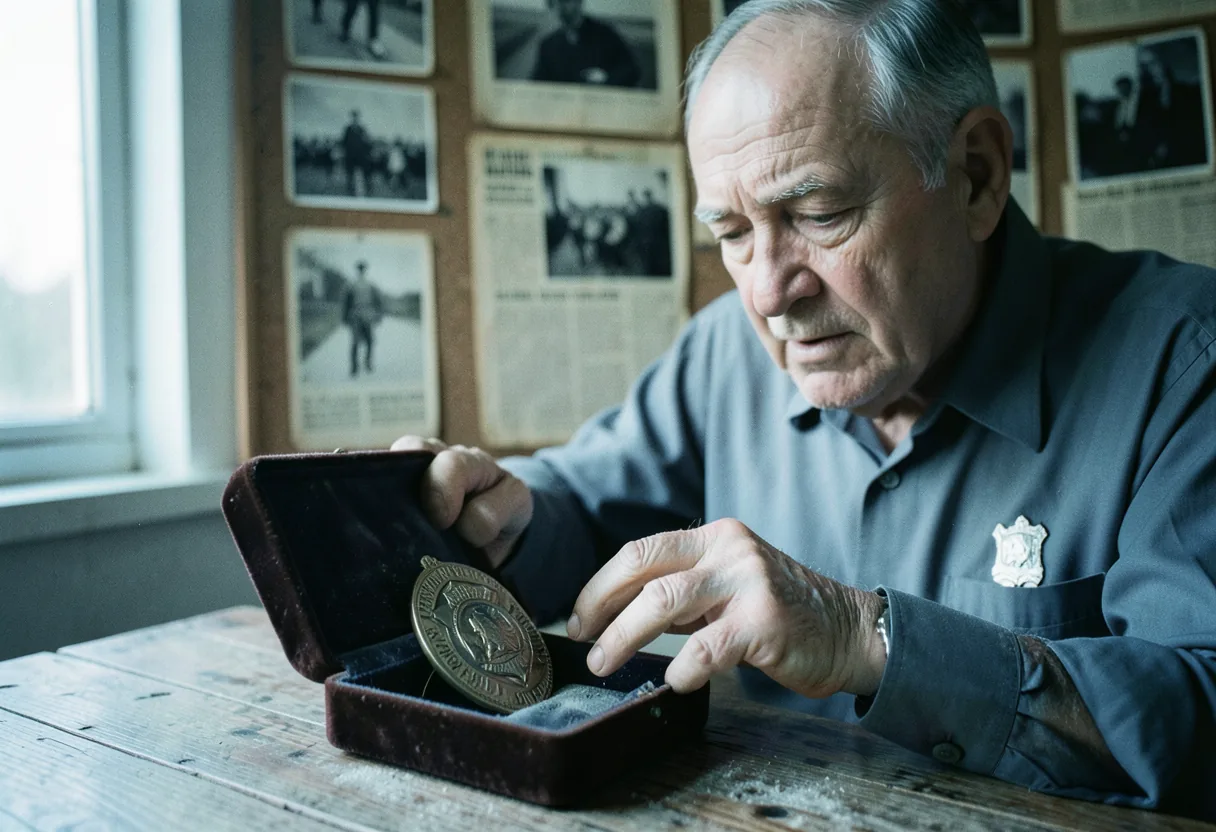
South Australian police history exhibits showcase artifacts from the 1838 founding of the force. The History Trust of South Australia’s collection includes items like the 1871 Mounted Troops helmet. Exhibits highlight events like the 1912 Broken Hill miners’ strike.
Key facts
- The South Australian Police History Exhibitions showcase artifacts from over 180 years of policing in the region.
- Exhibits include historical firearms, uniforms, and crime investigation tools used by South Australian police.
- The museum holds annual exhibitions featuring rare and significant items from the Adelaide Police History Archive.
- Visitors can explore interactive displays and multimedia presentations detailing key historical events.
What to Expect at South Australian Police History Exhibitions
The South Australian Police History Exhibitions offer a comprehensive look into the evolution of law enforcement in the region. These exhibitions are meticulously curated to provide a detailed narrative of the challenges and achievements of the South Australian police force. Visitors can expect to see a wide array of historical artifacts, including vintage police badges, handcuffs, and even early forensic equipment.
One of the standout features is the collection of historical firearms. For instance, the exhibition includes a rare 1850s Colt revolver, which was used by early police officers in Adelaide. This particular revolver is not just a piece of history but also a testament to the technological advancements in law enforcement during that era.
The exhibitions also feature interactive displays that allow visitors to engage with the history in a more immersive way. For example, a multimedia presentation details the story of the infamous Adelaide Police Standoff of 1882, complete with archival photographs and audio recordings of eyewitness accounts.
Another highlight is the collection of historical police uniforms. The exhibition includes a uniform worn by a police officer during the 1920s, complete with the original leather truncheon and cap. This uniform provides a glimpse into the attire and equipment used by police officers nearly a century ago.
Notable Exhibits and Their Significance
The South Australian Police History Exhibitions are home to several notable exhibits that hold significant historical value. One such exhibit is the original police call box from the 1930s, which was used by officers to communicate with the station. This call box is not just a piece of equipment but also a symbol of the early communication methods used by the police force.
Another significant exhibit is the collection of historical crime investigation tools. Visitors can see early fingerprint kits, magnifying glasses, and even a vintage typewriter used for documenting crime scenes. These tools provide insight into the methods and techniques used by investigators in the past.
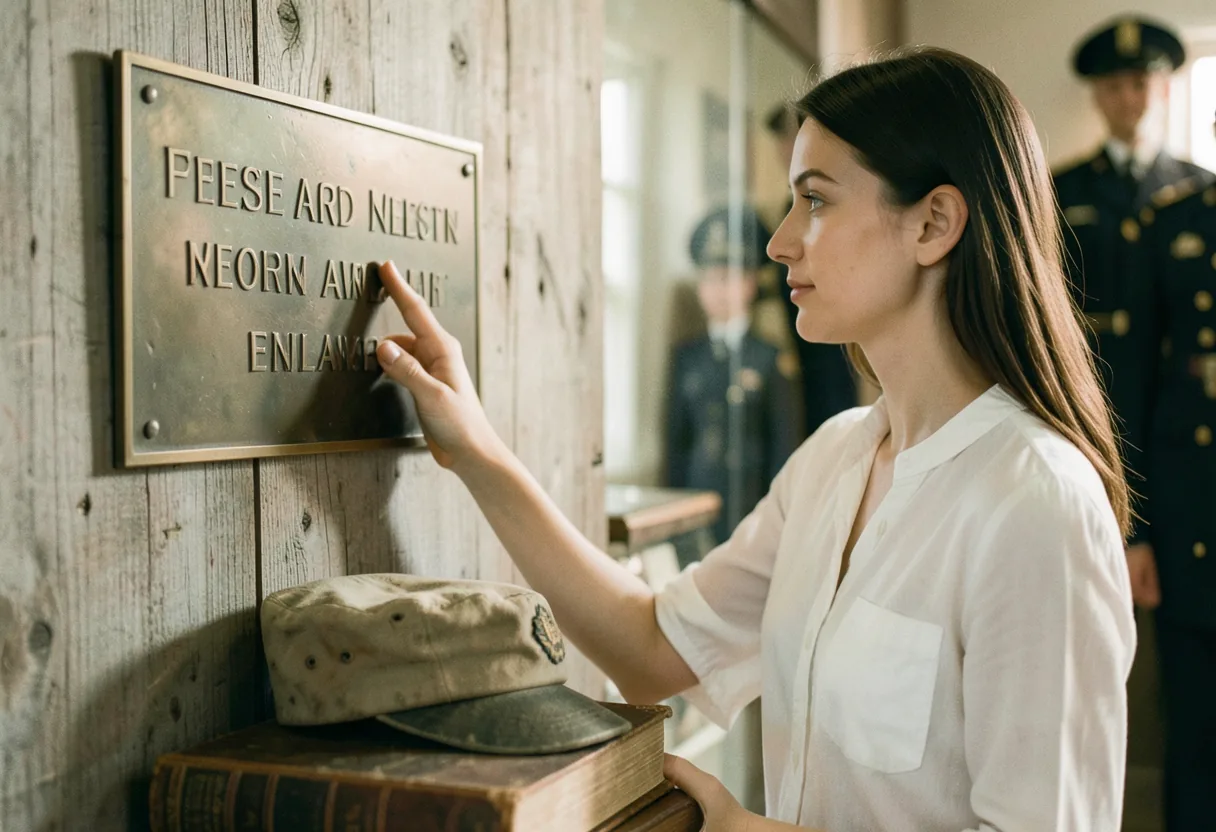
The exhibition also features a section dedicated to the role of women in South Australian policing. This section includes uniforms and personal items belonging to some of the first female police officers in the region. For example, the exhibition showcases the badge and cap of Constable Mary Hart, who joined the force in 1948 and became one of the first women to serve in a policing role.
One of the most fascinating exhibits is the collection of historical crime photography. This section includes photographs from the early 20th century, capturing scenes of crime and the officers involved. These photographs provide a visual narrative of the challenges and successes of the police force during that time.
How to Access Historical Police Records South Australia
For those interested in delving deeper into the history of South Australian policing, the Adelaide Police History Archive Access provides a wealth of resources. This archive holds a vast collection of historical police records, including case files, arrest records, and personal documents of police officers. Visitors can access these records through the Adelaide Police History Archive Access.
The archive is open to the public and offers guided tours for those who wish to explore the collection in more detail. Researchers can also request specific documents and artifacts for study. The archive is located within the South Australian Police History Museum, making it a convenient destination for history enthusiasts.
For those unable to visit in person, the archive offers online access to a selection of its collection. Visitors can browse through digital copies of historical documents and photographs, providing a glimpse into the rich history of South Australian policing. This online resource is particularly useful for researchers and historians who may not be able to visit the archive in person.
The archive also hosts regular exhibitions and events, showcasing rare and significant items from its collection. These events provide an opportunity for visitors to learn more about the history of South Australian policing and engage with the community.
Comparing Exhibitions and Archival Access
Exploring Historical Police Memorabilia Adelaide
The South Australian Police History Exhibitions also feature a section dedicated to historical police memorabilia. This section includes a variety of items that provide insight into the daily lives of police officers in the past. For example, visitors can see personal items belonging to officers, such as diaries, letters, and photographs.
One of the most interesting pieces of memorabilia is the collection of police badges. These badges, ranging from the 1850s to the present day, showcase the evolution of police insignia and the changing roles of officers. For instance, the exhibition includes a badge from the 1870s, which was worn by a senior officer and features intricate engravings.
The memorabilia section also includes items related to the social and cultural aspects of policing. For example, the exhibition features a collection of police station memorabilia, including items from the Historical Police Memorabilia Adelaide. These items provide a glimpse into the communal life of police officers and their families.
Another highlight is the collection of police station equipment. Visitors can see items such as vintage desks, chairs, and filing cabinets, which provide insight into the working conditions of officers in the past. These items are not just pieces of furniture but also symbols of the administrative and organizational aspects of policing.
Educational Programs and Resources
The South Australian Police History Exhibitions offer a range of educational programs and resources for students and educators. These programs are designed to provide a deeper understanding of the history of policing and its impact on society. For example, the exhibition offers guided tours tailored to different age groups, ensuring that visitors of all ages can engage with the material.
The exhibition also provides educational resources, such as workbooks and activity sheets, which can be used in the classroom. These resources are designed to help teachers integrate the history of policing into their curriculum. For instance, the exhibition offers a workbook that explores the role of police officers in maintaining law and order during significant historical events.
In addition to educational resources, the exhibition hosts special events and workshops for students. These events provide an opportunity for students to interact with historical artifacts and engage in hands-on activities. For example, the exhibition offers a workshop on forensic science, where students can learn about the techniques used by investigators in the past.
The exhibition also collaborates with local schools and educational institutions to provide tailored programs. For instance, the exhibition works with the South Australian Police History Museum to offer special tours and workshops for school groups. These programs are designed to align with the curriculum and provide a meaningful learning experience for students.
Takeaway
Exploring the South Australian Police History Exhibitions is a journey through time, offering a comprehensive look into the evolution of law enforcement in the region. From historical artifacts to interactive displays, these exhibitions provide a rich and engaging experience for visitors of all ages. Whether you’re a history enthusiast or simply curious about the past, these exhibitions offer a unique opportunity to learn about the challenges and achievements of the South Australian police force. Plan your visit today and immerse yourself in the fascinating history of South Australian policing.
Frequently asked questions
What is the oldest artifact in the South Australian Police History Exhibitions?
The oldest artifact is a police truncheon from 1868, used by early constables. It's displayed alongside a replica of the first police uniform issued in South Australia, showing how law enforcement aesthetics have evolved over 150 years.
Are there any famous criminal cases featured in the exhibitions?
Yes, the exhibits include details from the 1933 Pyjama Girl case. Visitors can see the original pyjamas and investigative notes. This case, still unsolved, draws significant interest for its historical and forensic significance.
How often do the exhibitions update their displays?
The exhibitions rotate displays biannually, adding new artifacts and stories. The most recent update in March 2023 included materials from the 1970s, focusing on the transition to modern policing techniques and technology.
Can visitors interact with any exhibits?
Yes, interactive elements include a fingerprint analysis station and a replica of a 19th-century police station. These hands-on experiences are designed to educate visitors on historical policing methods and forensic science.