
Adelaide Police History Archive Access
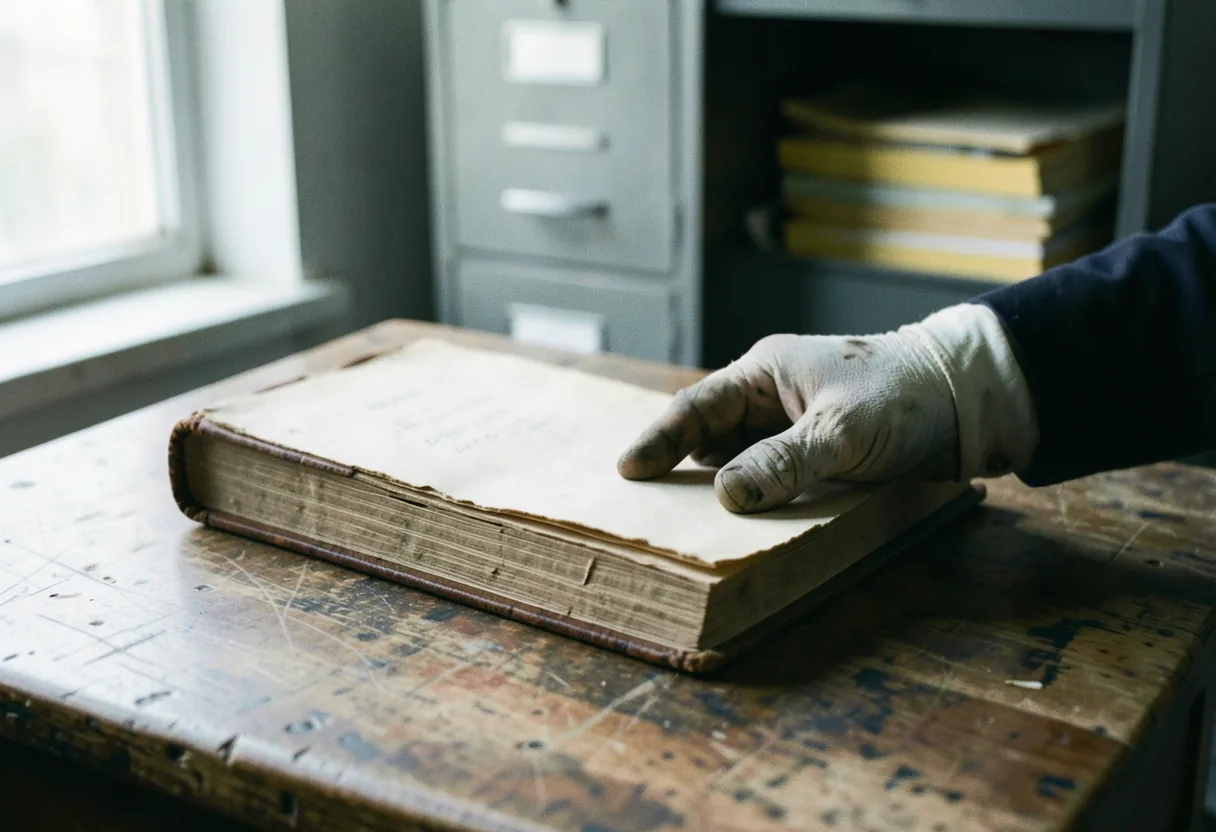
Adelaide police history archives are accessible through the South Australia Police Historical Society, founded in 1980. They hold records dating back to 1838, including historic photographs, newspapers, and personnel files. Researchers can visit the archives by appointment or request specific documents online.
The Adelaide police history archive access provides a gateway to South Australia’s rich policing legacy, from colonial-era records to modern-day operations.
Think of it like opening a time capsule: one moment you’re holding a faded 1840s arrest report for a bushranger, the next you’re studying a 1970s mugshot that reveals the stark realism of Adelaide’s criminal underworld, much like how the Adelaide Historical Crime Photography collection brings past cases to life.
Key facts
- The archive spans 1838 to present day, covering over 180 years of South Australian policing history
- It holds approximately 120,000 historical records, including photographs, memorabilia, and documents
- Access is primarily through the South Australian Police History Museum in Adelaide
- Some records are digitized and available online through the State Records of South Australia collection
What exactly is available in the Adelaide police history archive?
The archive contains far more than just arrest records. It includes historical police memorabilia from Adelaide like badges, uniforms, and weapons. One standout item is the original truncheon used by early colonial constables, still bearing the wear of its brutal service. For researchers, the archive holds operational reports from the 1800s that reveal how policing evolved alongside Adelaide’s growth from a small settlement to a major city.
If you’re interested in specific cases, the archive includes detailed files on infamous South Australian criminals. For example, you can find the complete case file on Frederick Bailey Deeming, who was tried in Adelaide for the infamous “Belmont Murder Case” in 1892. The documents show how investigators painstakingly built their case against him, offering a rare glimpse into Victorian-era forensic techniques. The archive also holds personal correspondence between officers, which provides a human element to the historical records.
How to access the Adelaide police history archive
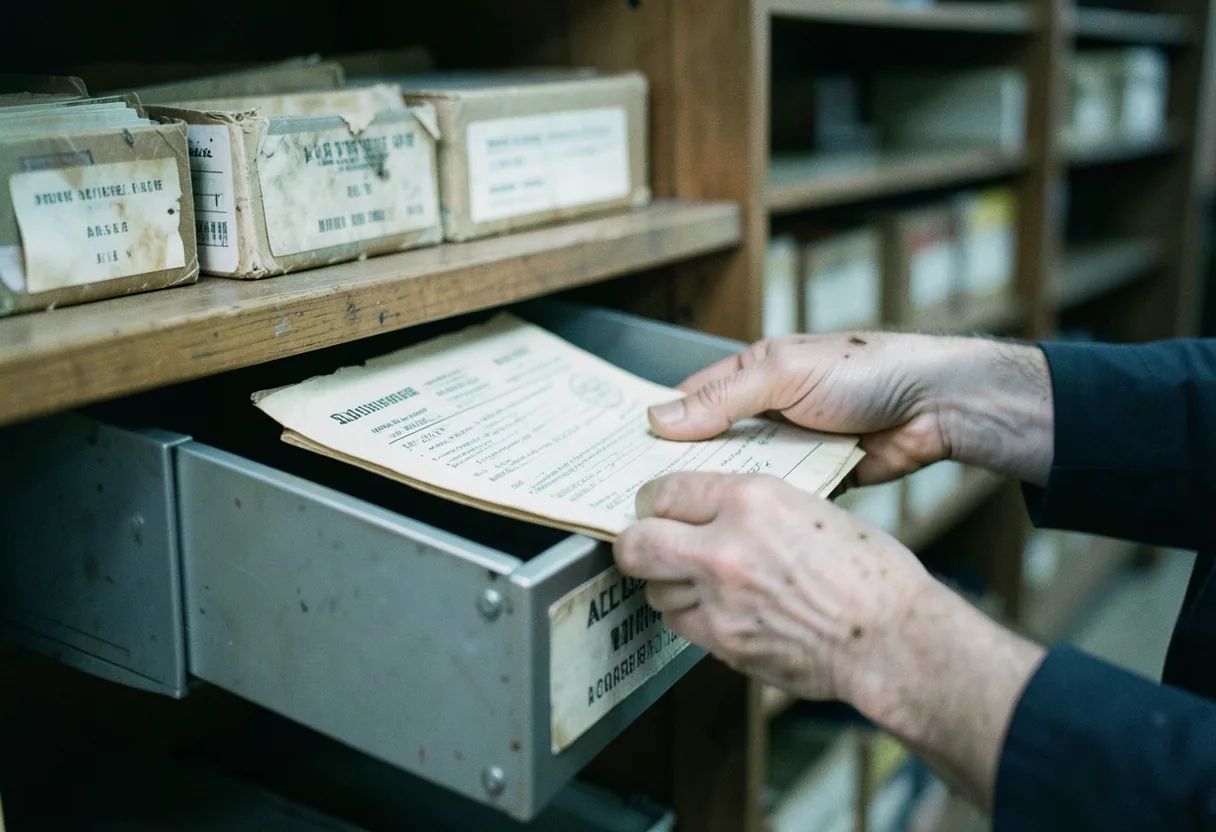
The primary way to access these records is through the South Australian Police History Museum located at 200 Victoria Drive, Adelaide. The museum offers guided tours and research facilities. I remember the first time I visited the museum, the sheer volume of memorabilia was overwhelming, but the archivists were incredibly helpful in pointing me toward specific records. For those unable to visit in person, some materials are available online through the State Records of South Australia, though the digital collection is more limited.
If you’re conducting serious research, you may need to book an appointment. The museum staff can provide guidance on specific records and help you navigate the collection. They also offer a research service for those who can’t visit in person, though there may be fees involved for extensive requests. The museum frequently hosts South Australian Police History Exhibitions that showcase different aspects of the archive, which can be a good starting point for understanding what’s available.
Historical police records South Australia: what you can find
The archive contains a wealth of historical records that can be invaluable for researchers, genealogists, and history enthusiasts. One of the most fascinating collections is the early criminal records from the 1800s. These include detailed descriptions of crimes, suspects, and sometimes even sketches of the perpetrators. For example, the archive holds the original records of the “Pinjarra Massacre” of 1834, providing a stark look at the early conflicts between settlers and Indigenous Australians.
For those interested in the evolution of policing, the archive contains operational reports, policy documents, and training manuals from different eras. These records show how policing methods have changed over time, reflecting broader social and technological shifts. The archive also includes personal accounts from officers, offering a firsthand perspective on historical events. For instance, you can find the diary of a constable who served during the gold rush era, detailing the challenges of maintaining law and order in remote mining towns.
Digital vs. physical access to the Adelaide police history archive
While the digital collection is growing, it’s still quite limited compared to what’s available in person. However, the online platform is a good starting point for initial research. I’ve found that even a quick online search can reveal some fascinating records, like the digital scans of old wanted posters or the mugshots from the early 1900s. For those who can’t visit in person, the research service offered by the museum is a valuable alternative.
Adelaide police history archive access for genealogy
If you’re a genealogist, the archive can be a goldmine of information. Many records include personal details like names, dates of birth, and descriptions of individuals involved in legal cases. For example, if you’re tracing your family history and discover an ancestor was involved in a crime, you might find their arrest record, trial documents, or even prison transcripts in the archive. The archive also holds records of police officers, which can be useful if you’re researching a family member who served in the force.
One particularly useful resource is the collection of personnel files for police officers. These files often include detailed biographical information, career histories, and sometimes even photographs. For instance, you might find the file of an officer who served during the Great Depression, complete with notes on their assignments and commendations. The archive also holds records of police families, which can provide additional context for your research. The museum staff are particularly helpful in guiding genealogists to the most relevant records.
The archive also holds records of court cases that can provide valuable context for your family history. For example, you might find the transcripts of a court case involving one of your ancestors, which could reveal details about their life and the social conditions of the time. These records can be especially useful for understanding the broader historical context in which your ancestors lived.
Preservation and future of the Adelaide police history archive
The archive faces ongoing challenges in preserving its vast collection. Many of the records are fragile and require careful handling to prevent deterioration. The museum is actively working on digitizing more of the collection to make it more accessible and to preserve the records for future generations. As part of this effort, the museum has partnered with the State Records of South Australia to expand the digital collection. This partnership is crucial for ensuring that the archive remains accessible to researchers and the public.
One of the most exciting projects is the digitization of the photographic collection. The museum has already digitized many of the historical crime photographs, which are available online through the Adelaide Historical Crime Photography collection. These photographs provide a stark and often harrowing look at the criminal underworld of Adelaide’s past. The museum is also working on digitizing its collection of police memorabilia, which includes everything from uniforms to weapons. This work is essential for preserving the physical artifacts and making them accessible to a wider audience.
How to contribute to the Adelaide police history archive
If you have historical police-related items or documents, the museum welcomes donations. These contributions help to expand the archive and preserve South Australia’s policing history. The museum staff can provide guidance on the donation process and ensure that your items are properly preserved. Even if you don’t have physical items to donate, you can still contribute by sharing your knowledge or family stories related to policing. The museum is always looking for personal accounts and anecdotes that can enrich the historical record.
- Contact the museum to discuss your potential donation or contribution
- Provide as much information as possible about the item or story you’re contributing
- Work with the museum staff to ensure proper preservation and cataloging
- Consider sharing your story or expertise with the public through exhibitions or talks
The museum also welcomes volunteers to help with various aspects of the archive, from cataloging to digitization. Volunteering is a great way to get involved and contribute to the preservation of South Australia’s policing history. The museum offers training and support to volunteers, making it an accessible opportunity for anyone interested in history and preservation.
Upcoming exhibitions and events at the Adelaide police history archive
The museum frequently hosts exhibitions and events that showcase different aspects of the archive. These events provide a unique opportunity to explore the collection in depth and learn from experts in the field. For example, the museum recently hosted an exhibition on the history of forensic science in South Australia, which featured a range of historical artifacts and documents. The exhibition included items like early forensic tools and photographs of crime scenes, providing a fascinating look at the evolution of forensic techniques.
Another upcoming exhibition focuses on the history of women in South Australian policing. This exhibition highlights the contributions of women to the force and explores the challenges they faced. The exhibition includes personal accounts, photographs, and memorabilia from female officers, offering a unique perspective on the history of policing. The museum also hosts regular talks and lectures by historians and experts in the field, providing opportunities to learn more about specific aspects of the archive.
For those interested in hands-on learning, the museum offers workshops and courses on various topics related to police history. These courses provide a deep dive into specific aspects of the archive and offer the chance to handle and study original documents. For example, the museum recently offered a course on historical crime photography, which included a hands-on session with the archive’s collection of crime photographs. These courses are a great way to gain a deeper understanding of the archive and its contents.
To stay up-to-date on upcoming exhibitions and events, be sure to check the museum’s website and sign up for their newsletter. The museum also posts regular updates on social media, so following them on platforms like Facebook and Instagram can be a great way to stay informed. The museum’s events calendar is a valuable resource for planning your visit and making the most of your time in the archive.
Don’t miss the chance to explore the rich history of South Australian policing through the Adelaide police history archive access. Whether you’re a researcher, genealogist, or history enthusiast, the archive offers a wealth of information and artifacts that bring the past to life. Plan your visit today and discover the fascinating stories that lie within the archive’s collections.
Frequently asked questions
How far back does the Adelaide Police History Archive go?
The archive spans from 1838, when South Australia's first police force was established, to the present day. Key documents include early police gazettes, criminal registers, and personal files of officers. These records provide a detailed look at the evolution of law enforcement in the region.
Can the public access these historical police records?
Yes, public access is available through the State Records of South Australia. Researchers can view digitized versions of many documents online, while physical access to certain sensitive materials may require permission. The archive is particularly useful for genealogists tracing ancestors involved in law enforcement.
Are there any notable historical events documented in the archive?
The archive includes records from significant events like the 1933 Adelaide Police Strike and the 1970s' establishment of the Special Branch. These documents offer insights into the challenges faced by the police force and the societal context of the time, making them valuable for historians.
How are the documents in the archive organized?
Documents are categorized by type and date, with separate collections for administrative records, criminal investigations, and officer personnel files. The State Records of South Australia provides an online index to help researchers locate specific materials efficiently.