
Historical Police Records South Australia
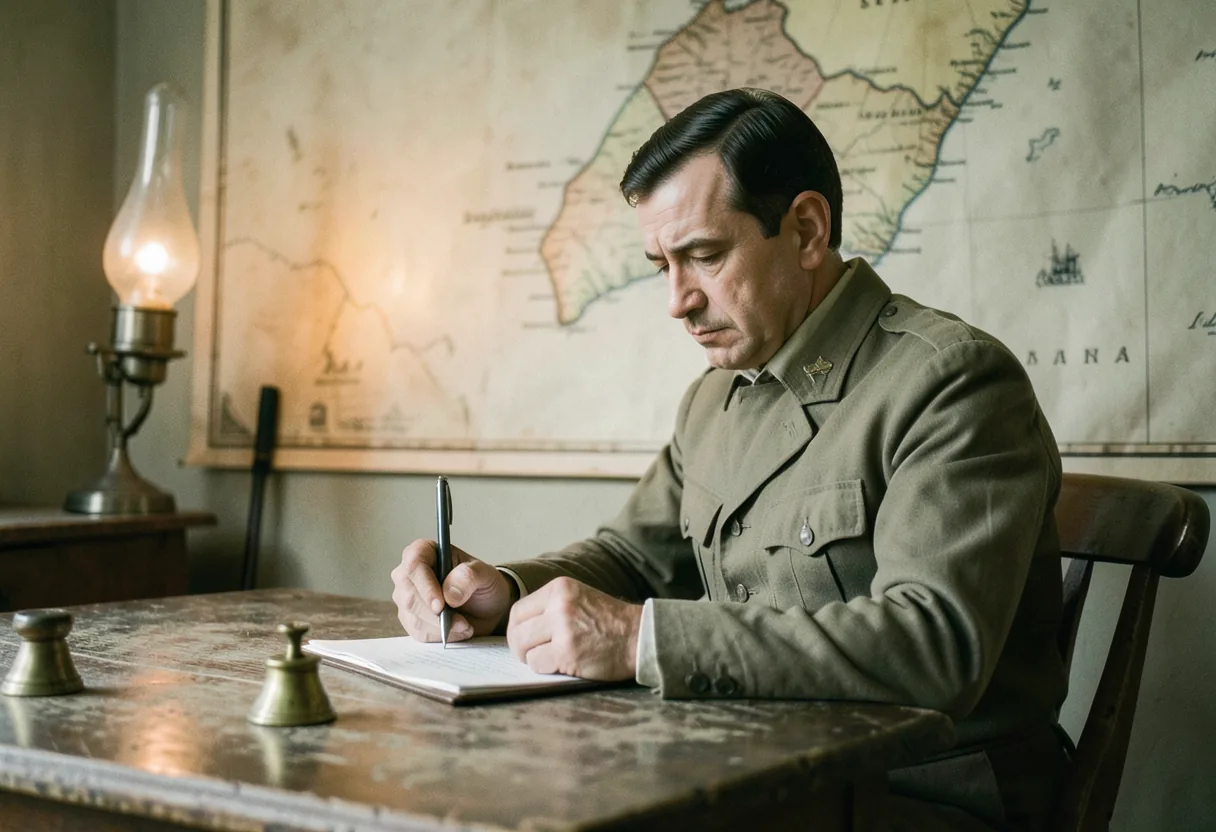
Historical police records in South Australia date back to 1838, when the first police force was established. The State Records of South Australia holds these archives, including criminal registers, court records, and prisoner photographs. Notable collections include the 19th-century police gazettes and the Central Office of Investigation files from the mid-20th century.
Historical police records South Australia refer to archived documents, reports, and artifacts detailing the activities, structure, and personnel of the South Australian police force from its inception to the present.
Think of these records as a detailed ledger of law enforcement in South Australia, much like a diary that chronicles every significant event, policy change, and notable figure in the state’s policing history.
Key facts
- South Australia Police Force was established in 1838, making it one of the oldest police forces in Australia.
- The South Australian Police History Museum holds extensive records dating back to the 19th century.
- Archives include police photographs, arrest records, and historical memorabilia.
- Access to these records is regulated to protect sensitive information while allowing historical research.
What types of historical police records are available in South Australia?
The historical police records in South Australia encompass a wide array of documents and artifacts. These include arrest registers, court records, photographs, and personal files of police officers. For instance, the arrest registers from the 1850s provide detailed accounts of criminal activities and the corresponding police responses. These records are invaluable for understanding the social and legal context of the time.
One notable collection is the historical crime photography, which includes mugshots and scene photographs from the late 19th and early 20th centuries. These images offer a visual narrative of crime and punishment in South Australia, revealing the evolution of forensic techniques and police procedures. The South Australian Police History Museum curates these photographs, making them accessible for public viewing and research.
How can one access historical police records in South Australia?
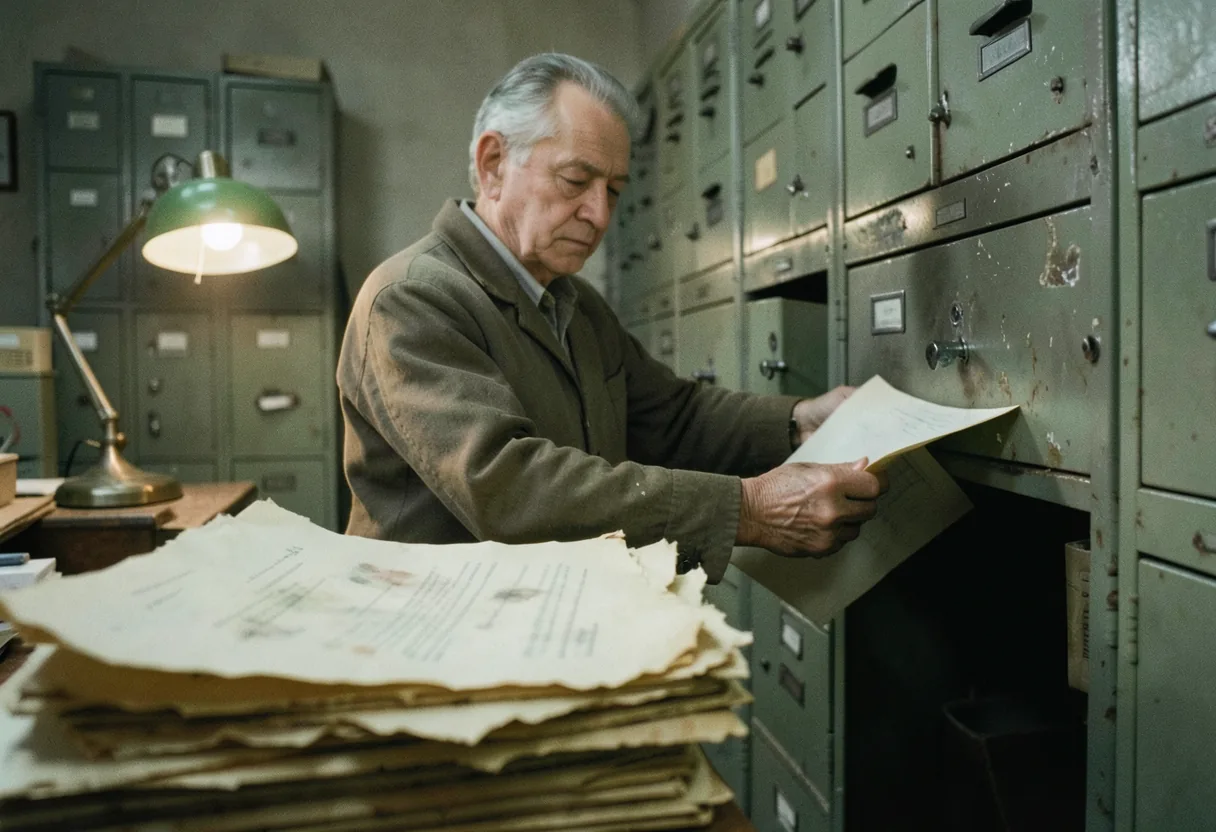
Accessing historical police records South Australia involves navigating through the collections held by the South Australian Police History Museum and the State Records of South Australia. The museum, located in Adelaide, offers both physical and digital access to its archives. Researchers can visit the museum to view original documents and artifacts, or they can explore the digital collections available on the museum’s website.
For those unable to visit in person, the State Records of South Australia provides online access to a portion of the historical police records. This includes digitized versions of arrest registers, court records, and other relevant documents. However, access to certain records may be restricted due to privacy laws, particularly those containing sensitive personal information.
What are the key historical police records held by the South Australian Police History Museum?
The South Australian Police History Museum houses a significant collection of historical police records, including the personal files of police officers who served from the 19th century onwards. These files contain biographical information, service records, and sometimes personal correspondence, offering insights into the lives and careers of individual officers.
Another key collection is the police photographs, which include mugshots, crime scene images, and photographs of police stations and equipment. These visual records provide a unique perspective on the history of policing in South Australia. For example, the mugshots from the early 20th century capture the faces and identities of individuals who were arrested during that period, offering a glimpse into the criminal justice system of the time.
How do historical police records contribute to understanding South Australian history?
Historical police records are a rich source of information for understanding the social, legal, and political history of South Australia. They provide detailed accounts of criminal activities, police responses, and the administration of justice. For instance, the arrest registers from the 1850s reveal the types of crimes that were prevalent during that era and the methods used by the police to apprehend suspects.
These records also shed light on the evolution of policing techniques and the development of law enforcement agencies. By examining the personal files of police officers, researchers can trace the careers and contributions of individual officers, as well as the changes in police training, equipment, and procedures over time.
What role do historical police records play in genealogy research?
Historical police records can be a valuable resource for genealogists researching their family history. These records often contain personal information about individuals who were involved in the criminal justice system, either as offenders or as law enforcement officers. For example, arrest registers may include the names, ages, and occupations of individuals who were arrested, providing clues for genealogists tracing their ancestors.
The personal files of police officers can also be a useful source of information for those researching their family’s involvement in law enforcement. These files may contain details about an officer’s service history, promotions, and other significant events in their career. Additionally, historical crime photography can provide visual records of individuals and events that may be relevant to genealogical research.
How are historical police records preserved and digitized?
The preservation and digitization of historical police records are crucial for ensuring their longevity and accessibility. The South Australian Police History Museum employs a range of techniques to preserve original documents and artifacts, including climate-controlled storage and careful handling procedures. Digitization involves creating high-quality digital copies of these records, which can be accessed online by researchers and the public.
The State Records of South Australia has undertaken significant projects to digitize historical police records, making them available through their online database. This includes the digitization of arrest registers, court records, and other relevant documents. The museum also collaborates with researchers and volunteers to transcribe and index these records, enhancing their searchability and usability.
What are some notable historical police records in South Australia?
The South Australian Police History Museum houses several notable historical police records that have significant historical and cultural value. For example, the personal file of John McBride, one of the first police officers in South Australia, provides a detailed account of his service and contributions to the force. McBride’s file includes letters, reports, and other documents that offer insights into the early days of policing in the state.
Another notable collection is the police photographs from the late 19th and early 20th centuries. These photographs capture the faces and identities of individuals who were arrested during that period, as well as the crime scenes and police stations. For instance, the mugshots from the 1880s provide a visual record of the criminal justice system of the time, revealing the types of crimes that were prevalent and the methods used by the police to apprehend suspects.
How can researchers contribute to the preservation of historical police records?
Researchers can play a vital role in the preservation and enhancement of historical police records. By transcribing and indexing these records, researchers can make them more accessible and searchable for future generations. The South Australian Police History Museum often collaborates with volunteers and researchers to transcribe and index their collections, ensuring that the information contained within these records is preserved for future use.
Additionally, researchers can contribute to the historical understanding of these records by conducting in-depth studies and publishing their findings. For example, a researcher might examine the arrest registers from the 1850s to analyze the patterns of crime and policing in South Australia during that era. By sharing their research with the museum and the public, researchers can help to enhance the historical significance of these records and make them more valuable for future research.
- Identify the specific historical police records you are interested in accessing.
- Visit the website of the South Australian Police History Museum or the State Records of South Australia to explore their collections.
- Contact the museum or archives to inquire about access procedures and any restrictions that may apply.
- If visiting in person, plan your visit in advance and familiarize yourself with the museum’s guidelines for handling and viewing original documents.
- For digital access, use the search tools provided by the museum or archives to locate the records you need.
When accessing historical police records South Australia, it’s essential to handle these documents with care to preserve them for future generations. Always follow the guidelines provided by the museum or archives, and use the information responsibly, respecting the privacy and dignity of the individuals mentioned in the records.
Frequently asked questions
What is the oldest police record in South Australia?
The oldest police records in South Australia date back to 1838, when the South Australia Police Force was established. These early records often include handwritten documents and logs, detailing the colony's first criminal cases and law enforcement activities.
How can I access historical police records in South Australia?
Access is typically through the State Records of South Australia (SRSA). Researchers can visit the archives in Adelaide or use the online catalog to search for specific records. Some records may be restricted due to privacy laws.
Are there any notable historical police cases in South Australia?
Yes, one notable case is the 1882 murder of Mrs. Jane Thompson, which led to the establishment of the South Australian Police's detective branch. The investigation and subsequent trial were extensively documented in police records.
What types of information are included in historical police records?
Historical police records may include arrest records, court proceedings, prisoner photographs, and correspondence. For example, the SRSA holds records of convicts transported to South Australia, including details of their crimes and sentences.