
Adelaide Police Force Timeline
Adelaide’s first police force formed in 1838. In 1858, the Police Act established professional standards. The Women’s Police Branch started in 1915. In 1998, the Independent Commission Against Corruption was introduced. Today, SAPOL has over 5,000 employees.
The **Adelaide police force timeline** traces the evolution of law enforcement in South Australia from its colonial roots to modern policing.
Think of it like the police force’s own family photo album, where each picture captures a pivotal moment, from the first constables patrolling Adelaide’s muddy streets in 1838 to the introduction of high-tech forensic units today.
Key facts
- The South Australia Police (SAPOL) was officially formed in 1838, just eight years after the colony’s founding.
- By the 1860s, the force had established its first dedicated detective branch, mirroring innovations in London’s Metropolitan Police.
- The 1970s saw a major restructuring, including the creation of specialized units like the Traffic Accident Investigation Squad.
- Today, SAPOL operates under the *Police Complaints and Discipline Act 2016*, ensuring modern accountability standards.
Early Years: Founding and Colonial Challenges
The Adelaide police force timeline begins in 1838, when South Australia’s first governor, John Hindmarsh, appointed the colony’s first constables. These early officers faced chaotic conditions, including clashes with escaped convicts from neighboring colonies and disputes over land ownership. The force initially lacked formal structure, relying on British military support to maintain order. By 1858, the *Police Act* was passed, establishing a more systematic approach to law enforcement. One of the most striking early figures was Constable John Barton Hack, who served from 1840 until his death in 1874 after being struck by a horse. His story is preserved in the South Australian Police History Documents archive.
The 1860s marked a turning point with the creation of a detective branch, modeled after London’s Scotland Yard. This unit was tasked with solving increasingly complex crimes, including the infamous 1867 robbery of the English, Scottish, and Australian Bank in Adelaide. The heist, which netted over £3,000 (equivalent to roughly $500,000 today), required new investigative techniques and marked the first use of forensic accounting in the colony.
The Adelaide Police Force Timeline Through the 20th Century
The 20th century brought significant changes to SAPOL’s structure and responsibilities. The 1920s saw the introduction of motorized patrols, reducing response times in Adelaide’s growing suburbs. By the 1950s, the force had adopted radio communications, a technological leap that revolutionized policing. One of the most dramatic events in the Adelaide police force timeline occurred in 1971, when the force was restructured into divisions aligned with local government boundaries. This change aimed to improve community engagement and better allocate resources.
The 1970s also saw the establishment of specialized units, such as the Traffic Accident Investigation Squad and the Criminal Investigation Branch. The latter played a crucial role in solving high-profile cases like the 1977 murder of Maxine Baker, a crime that shocked the state and led to reforms in how SAPOL handled cold cases. The force’s evolution during this period is well-documented in the South Australia Police History archive, which includes photographs of officers in their iconic 1970s uniforms, complete with wide-brimmed hats and leather holsters.
Modern Era: Technology and Reform
The Adelaide police force timeline takes a sharp turn in the 1990s with the introduction of digital technology. The force embraced computer-aided dispatch systems and forensic labs, including the State Forensic Science Laboratory, which opened in 1995. This period also saw the implementation of the *Police Powers and Responsibilities Act 2000*, which standardized procedures for arrests, searches, and evidence handling. One of the most notable modern cases involved the use of DNA evidence in the 2008 conviction of Bradley Robert Murray for the murder of James Patrick Patrick. This case highlighted the force’s growing reliance on scientific advancements.
In recent years, SAPOL has focused on community policing initiatives and diversity recruitment. The 2010s saw the launch of programs like *Operation Flinders*, aimed at reducing youth crime through mentorship and education. The force has also embraced social media, using platforms like Twitter and Facebook to engage with the public and share updates on ongoing investigations. The Historical Adelaide Police Stations project offers a glimpse into how these modern strategies align with the force’s historical roots, showing how stations like the Adelaide Central Police Station have adapted over time.
Key Milestones in the Adelaide Police Force Timeline
Notable Figures in the Adelaide Police Force Timeline
The Adelaide police force timeline is shaped by individuals who left indelible marks on the institution. One such figure is Commissioner Malcolm Hyam, who served from 1978 to 1987 and oversaw major reforms, including the introduction of the first female police officers in senior roles. Hyam’s tenure was marked by a focus on professionalism and accountability, setting the stage for modern policing standards.
Another key figure is Detective Senior Sergeant John McDowall, who led the investigation into the 1986 murder of Susan Neill-Fraser. This case, though controversial, demonstrated the force’s commitment to solving complex crimes. The South Australia Police Badges Evolution archive includes images of the badges worn by these officers, showcasing the evolution of their insignia over time.
The Role of Uniforms and Equipment
The Adelaide police force timeline also reflects changes in uniforms and equipment. Early officers wore simple blue serge uniforms with brass buttons, a design influenced by British military attire. By the 1920s, the force had adopted peaked caps and more practical fabrics. The 1970s saw the introduction of lightweight materials and modernized designs, reflecting the era’s focus on functionality. The South Australian Police Uniforms History archive provides a detailed look at these changes, including photographs of officers in various eras.
Equipment has evolved significantly as well. The first officers carried truncheons and revolvers, but by the 1960s, semi-automatic pistols and two-way radios became standard. Today, SAPOL officers are equipped with body-worn cameras and Tasers, reflecting a global trend toward transparency and de-escalation. The transition from leather holsters to modern gear is a testament to the force’s adaptability.
Community Engagement and Modern Challenges
One of the most significant shifts in the Adelaide police force timeline is the emphasis on community engagement. Programs like *Neighbourhood Watch* and *Police-Citizens Youth Clubs* have helped build trust between officers and residents. The force’s social media presence, including regular updates on Facebook and Twitter, has further bridged the gap between law enforcement and the public. The Adelaide Police History Ranks archive highlights how these initiatives align with the force’s historical commitment to public service.
However, modern challenges persist. Issues like cybercrime and drug trafficking require new strategies and technologies. SAPOL’s Cyber Crime Unit, established in 2015, exemplifies the force’s proactive approach to emerging threats. The unit works closely with international agencies to combat online crimes, reflecting the global nature of modern law enforcement.
Preserving the Adelaide Police Force Timeline
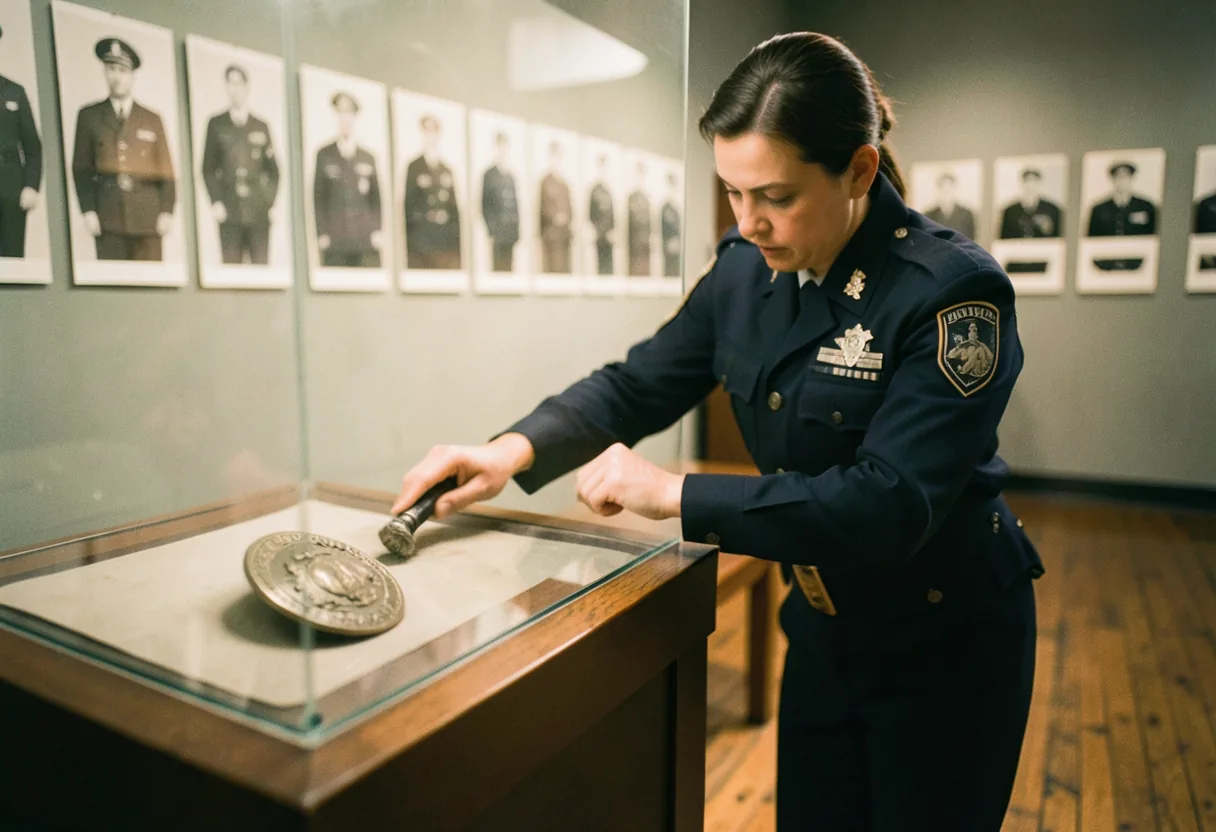
Efforts to preserve the Adelaide police force timeline are ongoing. The South Australian Police History Archive serves as a vital resource, housing documents, photographs, and artifacts from the force’s history. Exhibits like the one at the Adelaide Central Police Station offer visitors a tangible connection to the past, with displays featuring vintage uniforms, weapons, and patrol vehicles. The archive’s digital initiatives, including online exhibitions and searchable databases, ensure that this history remains accessible to future generations.
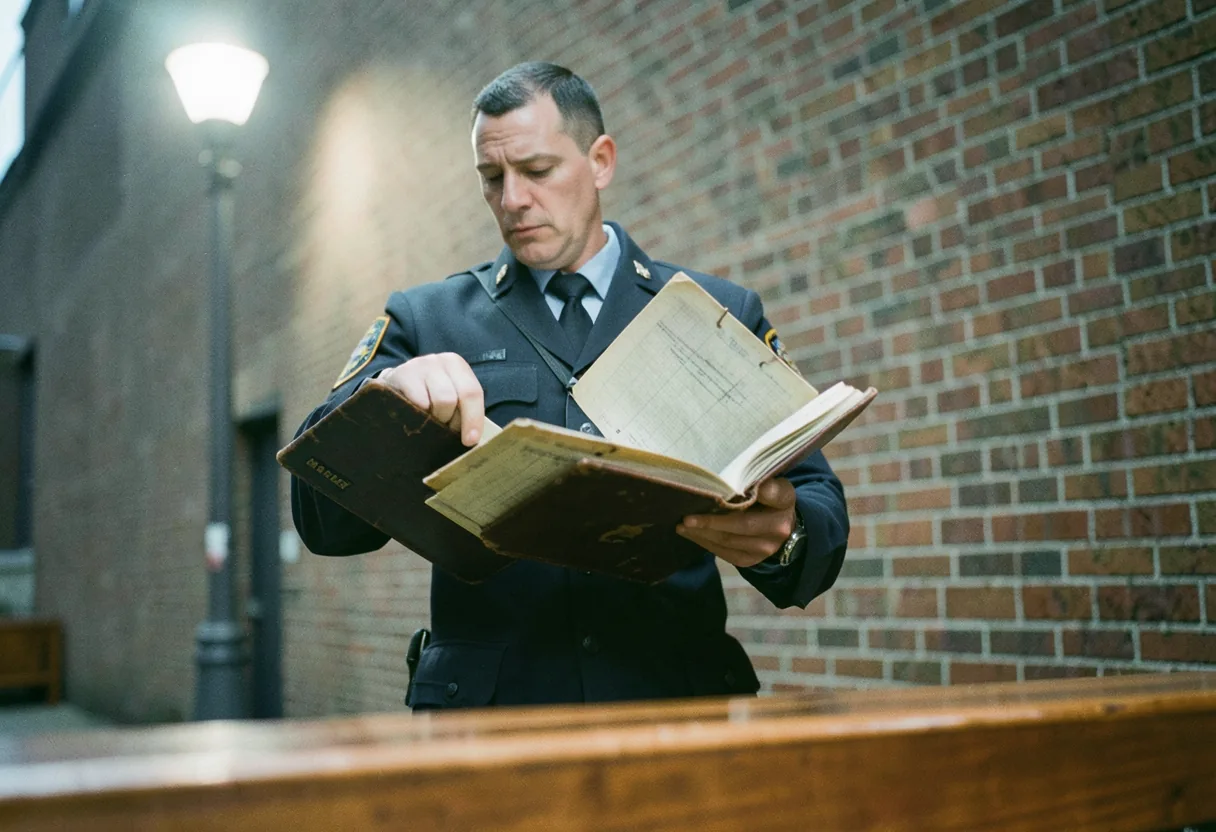
One standout artifact is the original warrant book from 1838, which lists the names of the first constables. This document, preserved in the archive, offers a tangible link to the force’s earliest days. The archive also holds personal accounts from retired officers, providing firsthand insights into the challenges and triumphs of policing over the centuries.
Steps to Explore the Adelaide Police Force Timeline
- Visit the South Australian Police History Archive to view original documents and artifacts.
- Explore the Historical Adelaide Police Stations project to learn about the evolution of police stations.
- Check out the South Australian Police Uniforms History archive for a visual journey through SAPOL’s uniform changes.
- Attend exhibits at the Adelaide Central Police Station to see vintage equipment and uniforms.
- Follow SAPOL’s social media accounts for updates on historical initiatives and modern policing.
Takeaway: The Adelaide police force timeline is more than a chronological record, it’s a story of adaptation, resilience, and service. From its colonial beginnings to its modern-day innovations, SAPOL’s history offers valuable insights into the evolution of law enforcement in South Australia.
Frequently asked questions
What was the Adelaide Police Force's first major reform?
The Adelaide Police Force underwent its first major reform in 1869, when legislation standardized police regulations. This included establishing clear guidelines for recruitment, training, and disciplinary procedures, laying the groundwork for modern policing in South Australia.
How did World War I impact the Adelaide Police Force?
During World War I, many officers enlisted, leading to a significant shortage. Women were temporarily recruited to fill roles such as telephone operators and clerks, marking the first time women officially served in the force.
When was the first police station built in Adelaide?
The first police station in Adelaide was constructed in 1839 on Hindley Street. It served as the headquarters until 1882, when a new facility was built on North Terrace, reflecting the city's growing population and need for expanded policing.
What significant event occurred in the 1970s for the Adelaide Police Force?
In 1978, the Adelaide Police Force established its first specialized units, including the Traffic Accident Investigation Squad and the Criminal Investigation Branch. These units improved response times and investigative capabilities, setting a precedent for modern policing strategies.