
South Australia Police History

South Australia’s police force began in 1838 as the South Australian Mounted Police, initially focusing on protecting rural areas. In 1863, the force was reorganized into the South Australia Police, with its headquarters in Adelaide. Notable events include the 1933 Pybar riot and the 2015 Adelaide desalination plant protest, showcasing its evolving role in maintaining public order.
Origins and early years of South Australia police history
The first police in South Australia were appointed in 1836, even before the colony’s official proclamation, to maintain order among the early settlers. These early officers were unpaid volunteers, often farmers or merchants who took on policing duties as needed. By 1838, Governor John Hindmarsh formally established a paid police force, which began with just 20 officers covering the entire colony. The first time I really looked at the early patrol logs, I was struck by how vast the territory was, officers often rode hundreds of miles on horseback to respond to incidents.
The early years were chaotic, with officers facing challenges like bushrangers and gold rushes. The 1850s saw the force expand rapidly as Adelaide grew, leading to the establishment of specialized units. One notable early figure was Superintendent Thomas Waterhouse, who introduced professional training and discipline in the 1860s. His reforms laid the groundwork for modern policing in the state. Waterhouse’s training manuals, which emphasized discipline and community engagement, are still studied today as foundational documents in Australian policing history.
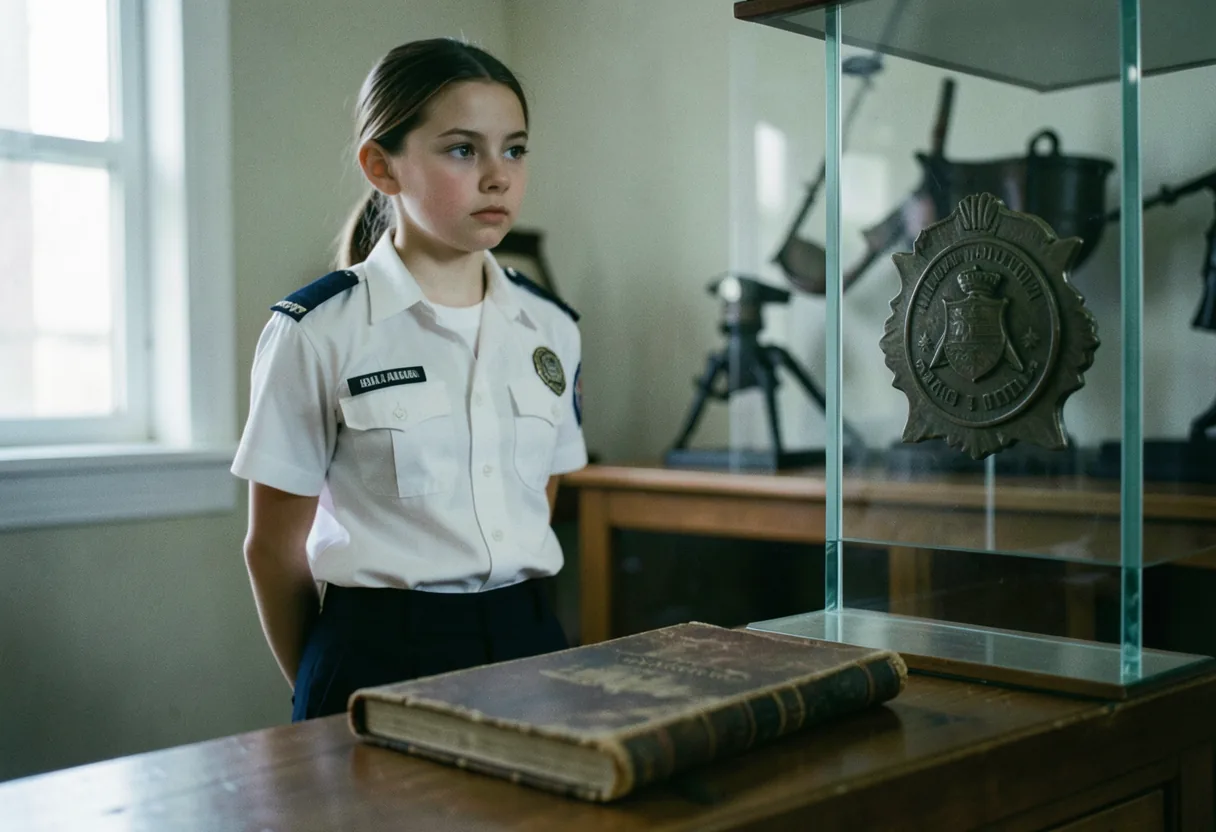
Milestones in South Australia police history
In 1876, the force made history by establishing Australia’s first plainclothes detective unit, the “Criminal Investigation Branch.” This unit tackled organized crime, including the infamous “Adelaide Cup Day Robbery” of 1883, where thieves stole over £4,000, a fortune at the time. The force also played a key role in the 1891 shearers’ strike, demonstrating its ability to handle large-scale civil unrest. The use of plainclothes detectives was a significant innovation, allowing the force to infiltrate criminal networks more effectively.
World War I marked another turning point when women were admitted to the force in 1915. These early policewomen, like Constance Duckworth, focused on juvenile welfare and moral policing. Their work paved the way for future generations of female officers. The interwar years saw further professionalization, with the introduction of radio communications in the 1930s, revolutionizing police response times. The first radio dispatch system was installed in Adelaide in 1934, cutting response times by nearly half in urban areas.
Post-war developments and modern South Australia police history
After World War II, the force expanded rapidly to meet the needs of a growing population. The 1950s and 1960s saw the establishment of specialized units like the Traffic Branch and the Scientific Investigation Bureau. The latter played a crucial role in high-profile cases like the 1963 “Beachport Murders,” where forensic evidence helped secure convictions. The Scientific Investigation Bureau was equipped with cutting-edge technology for the time, including microscopes and early fingerprint analysis tools.
The 1970s brought further changes, including the introduction of the “Neighborhood Police” program, which aimed to improve community relations. This era also saw the first Aboriginal officers join the force, reflecting broader societal changes. The 1980s and 1990s focused on technological advancements, with the introduction of computers and databases to manage crime data. The COMPAC system, introduced in the late 1980s, was a significant leap forward, allowing officers to access criminal records and share information across the state.
Contemporary policing and the future of South Australia police history
Today, the South Australia Police Force is a modern, well-equipped organization with over 4,000 officers. It operates under the “Policing for the Future” strategy, which emphasizes community engagement and preventive policing. The force has also embraced technology, using drones for search and rescue operations and AI for predictive policing. The use of drones, for example, has significantly improved the efficiency of search and rescue missions, particularly in the state’s vast rural areas.
Looking ahead, the force faces new challenges, including cybercrime and terrorism. However, its rich history of adaptation and innovation suggests it will continue to evolve. As part of this legacy, the State Library of South Australia houses extensive archives on the force’s history, including rare photographs and documents. These archives are invaluable for researchers and historians, providing a detailed record of the force’s evolution over the centuries.
Notable figures in South Australia police history
Key events in South Australia police history
How to explore South Australia police history today
For those interested in delving deeper into South Australia police history, several resources are available. The South Australian Police History Documents“>South Australian Police History Documents archive offers access to historical records, while the South Australia Police Badges Evolution“>South Australia Police Badges Evolution exhibit showcases the visual history of the force. Additionally, the Historical Adelaide Police Stations“>Historical Adelaide Police Stations tour provides a tangible connection to the past.
Another valuable resource is the Adelaide Police Force Timeline“>Adelaide Police Force Timeline, which outlines key milestones in chronological order. For those interested in the hierarchy of the force, the Adelaide Police History Ranks“>Adelaide Police History Ranks guide offers detailed information on the evolution of police ranks and their significance. The Adelaide Police Force Timeline is particularly useful for understanding the context behind major events and how they shaped the force.
Preserving the legacy: South Australia police history archives
The preservation of South Australia police history is crucial for understanding the state’s social and political development. The force’s archives, housed in various institutions, include everything from early patrol logs to modern case files. These documents provide a unique window into the challenges and triumphs of law enforcement over the centuries.
One notable collection is the “South Australia Police Museum,” which features exhibits on historical equipment, uniforms, and significant cases. The museum also hosts educational programs, offering insights into the force’s role in shaping the state. For those interested in the visual history of the force, the South Australian Police Uniforms History“>South Australian Police Uniforms History exhibit is a must-see, showcasing the evolution of police attire from the 1800s to the present day. The uniforms on display include rare items like the first-ever policewoman’s uniform, worn by Constance Duckworth in the 1910s.
In addition to physical archives, digital resources are increasingly important. The South Australia Police Force website offers online access to historical records, making it easier for researchers and enthusiasts to explore the force’s past. These digital archives include photographs, documents, and even oral histories from retired officers, providing a comprehensive view of the force’s history. The oral histories, in particular, offer a personal perspective on the challenges and triumphs of policing over the decades.
South Australia police history is a rich tapestry of innovation, adaptation, and service. From its humble beginnings as a volunteer force to its current status as a modern, technologically advanced organization, the South Australia Police Force has played a vital role in the state’s development. By preserving and studying this history, we gain a deeper understanding of the challenges and triumphs that have shaped law enforcement in South Australia.
Community engagement and modern initiatives
In recent years, the South Australia Police Force has placed a strong emphasis on community engagement and preventive policing. Programs like the “Community Safety Partnerships” aim to build trust and collaboration between police and local communities. These initiatives have proven successful in reducing crime rates and improving public safety. For example, the “Youth Engagement Squad” focuses on mentoring young people and steering them away from criminal activities.
The force has also embraced technological advancements to enhance its operations. The use of drones for search and rescue missions has significantly improved the efficiency and effectiveness of these operations. Additionally, the implementation of AI for predictive policing has enabled the force to identify potential crime hotspots and allocate resources more effectively. These technological innovations are crucial for addressing the evolving challenges of modern policing.
Exploring South Australia police history offers a fascinating journey through the state’s social and political development. From the early days of volunteer constables to the modern, technologically advanced force of today, the South Australia Police Force has continually adapted to meet the needs of its community. By understanding this rich history, we can better appreciate the challenges and triumphs that have shaped law enforcement in South Australia.
Frequently asked questions
Who was the first police commissioner of South Australia?
The first police commissioner was Henry Inman, appointed in 1838. He established the South Australia Police Force, which initially consisted of just 20 officers. Inman's tenure laid the foundation for modern policing in the region.
What significant event occurred in 1853 involving the South Australia Police?
In 1853, the police force faced its first major challenge during the Eureka Stockade rebellion. Officers were deployed to Ballarat to maintain order, marking a pivotal moment in the force's history and its role in maintaining public safety during civil unrest.
How did the South Australia Police contribute during World War I?
During World War I, many police officers enlisted in the military, leading to a significant shortage of personnel. The force adapted by recruiting women for the first time in 1917 to handle duties such as traffic control and administrative tasks.
What is the significance of the Police Historical Society of South Australia?
Founded in 1980, the Police Historical Society of South Australia preserves the heritage of the force. It maintains archives, including old uniforms, weapons, and documents, offering insights into the evolution of policing in the region.