
Historical Adelaide Police Stations
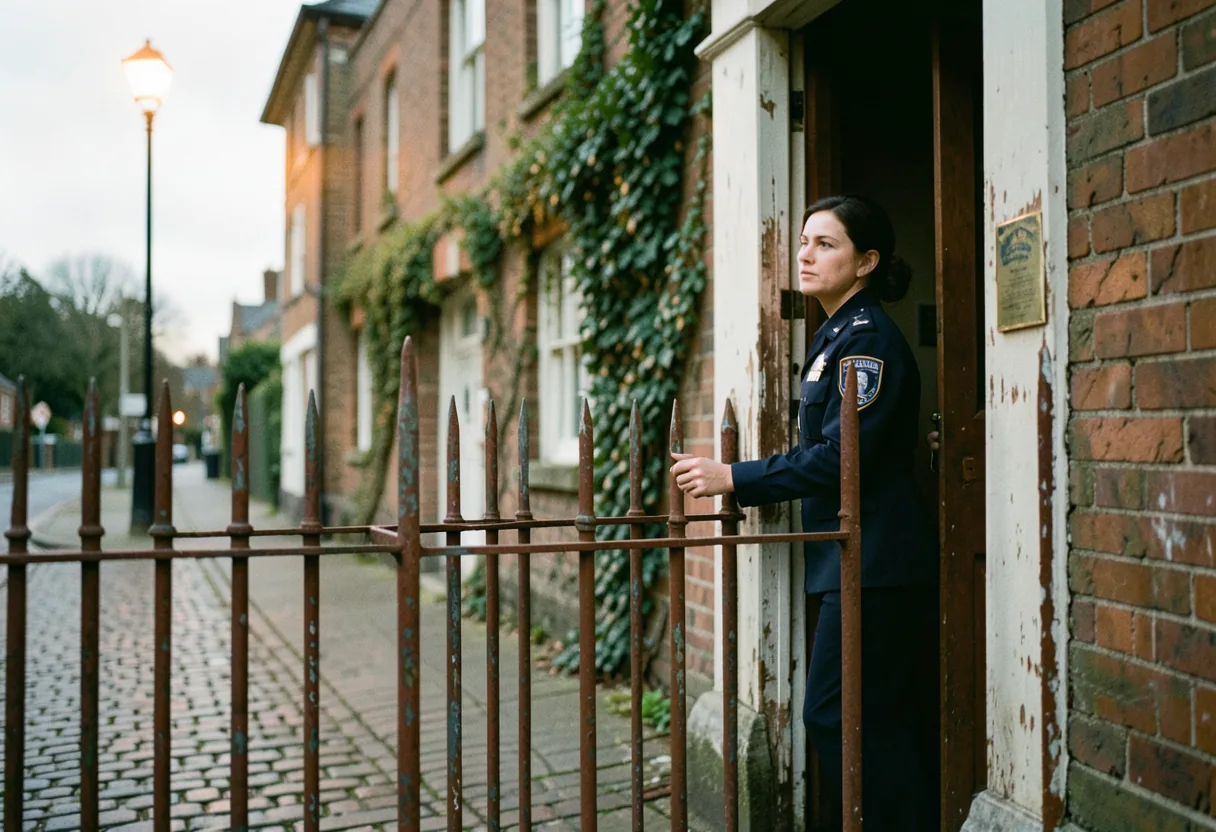
Adelaide’s first police station opened in 1839 on Hindley Street. The historic Adelaide Central Police Station, built in 1869, still stands on Currie Street. Other notable stations include the old Port Adelaide Police Station, established in 1856, and the 1877 Glenelg Police Station.
The term historical Adelaide police stations refers to the buildings and sites that have housed the South Australia Police force in Adelaide since the early 19th century, reflecting the city’s growth and the evolution of law enforcement.
Think of these stations as silent witnesses to Adelaide’s past, each one a chapter in the story of how the city kept order, from the rough-and-tumble days of the 1800s to the modern era.
Key facts
- The first permanent police station in Adelaide was established in 1838 on the corner of North Terrace and Flinders Street.
- Many stations were designed by prominent architects, such as Edmund Wright, who designed the Adelaide Police Barracks in 1872.
- The Old Adelaide Police Station, built in 1865, is now part of the Adelaide Central Market.
- Several stations, like the one in Port Adelaide, were critical in managing maritime law enforcement.
Early police stations: The founding years
When South Australia was proclaimed a British province in 1836, law enforcement was rudimentary at best. The first official police presence was a small detachment of constables under the command of Captain John McHarg. Their headquarters was a modest building on the corner of North Terrace and Flinders Street, a far cry from the grand stations that would follow.
By the 1850s, Adelaide’s growth demanded larger facilities. The Old Adelaide Police Station, completed in 1865, became the epicenter of policing in the colony. Designed by the colonial architect William McMinn, it featured a central watch house, cells, and offices. The station’s brickwork and ironwork were typical of the Victorian era, and its design reflected the authority of the state. Today, parts of this building are incorporated into the Adelaide Central Market, a reminder of its historical significance.
Architectural landmarks: Designing authority
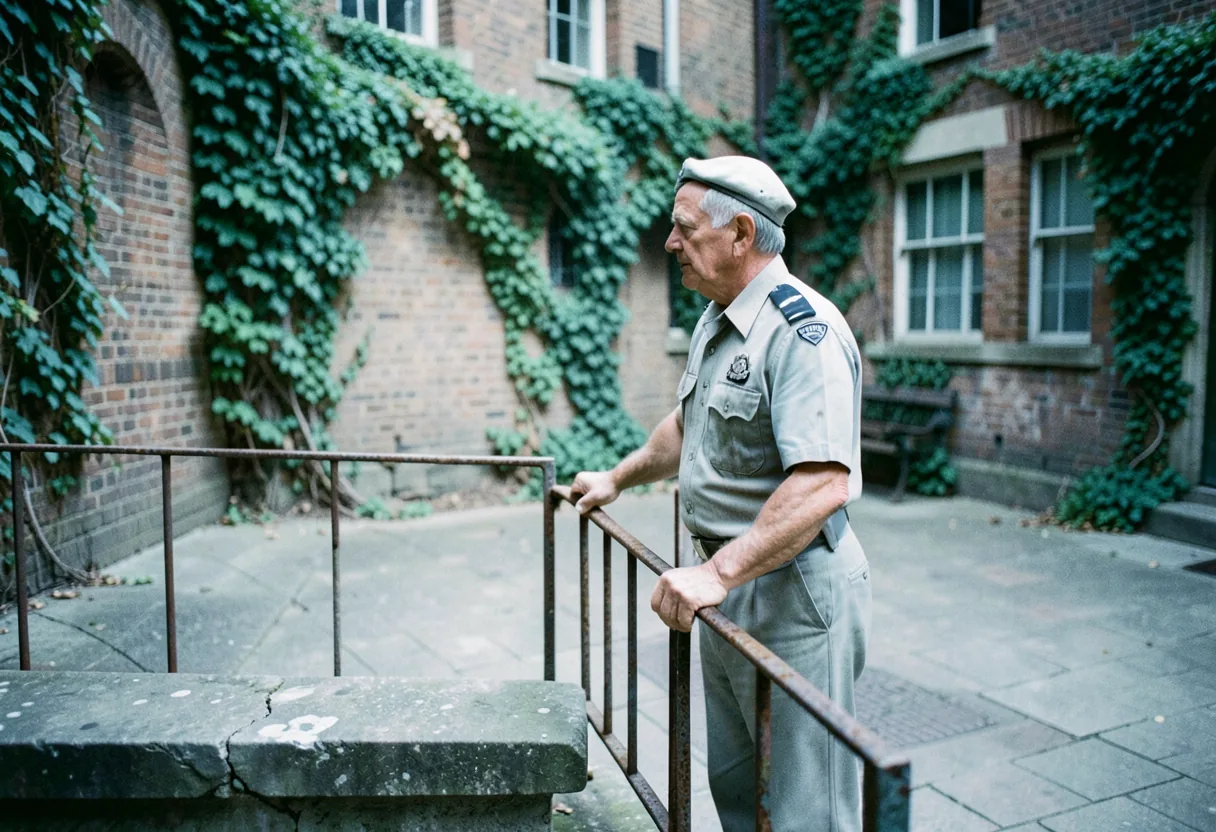
Many of Adelaide’s historical police stations were more than just functional buildings, they were statements of power and order. The Adelaide Police Barracks, designed by Edmund Wright in 1872, is a prime example. Wright, a key figure in colonial architecture, incorporated Gothic Revival elements, giving the station an imposing presence. The barracks housed not only offices but also living quarters for officers, a necessity in an era when policing was a 24-hour duty.
Another notable example is the Port Adelaide Police Station, built in 1879. Its location was strategic, given the port’s role in trade and immigration. The station’s design included a watch house, magistrate’s court, and cells, all essential for managing the bustling maritime activity. The building’s sandstone facade and arched windows were both practical and symbolic, reinforcing the authority of the law in a key economic hub.
Historical Adelaide police stations: Evolution and adaptation
The need for larger, more modern facilities led to the construction of new stations in the early 20th century. The Adelaide Police Station on Hindley Street, built in 1924, was one of the largest in the state. Its design reflected the influence of the Art Deco movement, with streamlined forms and decorative elements that set it apart from earlier Victorian structures. This station became the administrative heart of the South Australia Police, housing offices, a central watch house, and even a fingerprint bureau.
As Adelaide expanded, so did the need for police stations in suburban areas. The Mitcham Police Station, opened in 1938, was designed to serve the growing southern suburbs. Its modernist design was a departure from earlier styles, reflecting the changing tastes of the time. The station included a residence for the station sergeant, a common feature in suburban stations where officers lived on-site.
The role of historical Adelaide police stations in community policing
Historical police stations were not just administrative hubs, they were also community centers. The Glenelg Police Station, built in 1901, was a key part of the seaside suburb’s social fabric. Its proximity to the beach made it a focal point for both locals and tourists, and its officers were often involved in community events and public safety initiatives. The station’s design, with its wide verandas and open-plan layout, reflected its role as a welcoming presence in the community.
The Norwood Police Station, opened in 1883, was another example of a station deeply embedded in local life. Its location in one of Adelaide’s most affluent suburbs meant it had to balance high-profile policing with community engagement. The station’s design, with its ornate ironwork and polished timber interiors, reflected the suburb’s status and the station’s role as a symbol of order and respectability.
Preservation and legacy: What remains today
Many of Adelaide’s historical police stations have been repurposed or preserved as heritage sites. The Old Adelaide Police Station, for example, is now part of the Adelaide Central Market, where its historic cells have been converted into retail spaces. The Mitcham Police Station, though no longer in use, has been recognized for its architectural significance and is listed on the South Australian Heritage Register.
Some stations, like the one in Port Adelaide, continue to serve as active police facilities, albeit with modern upgrades. The Hindley Street station, though replaced by newer facilities, remains a symbol of Adelaide’s policing history. Its legacy is preserved in records, photographs, and oral histories, all of which contribute to the broader narrative of South Australia Police History.
The evolution of police station design
The design of police stations in Adelaide evolved alongside architectural trends and policing needs. Early stations, like the one on North Terrace, were simple and functional, reflecting the colony’s modest beginnings. As Adelaide grew, so did the need for larger, more imposing structures. The Old Adelaide Police Station, with its Victorian architecture, was a statement of authority in a rapidly expanding city.
By the early 20th century, Art Deco influences began to appear in station design. The Hindley Street station, with its streamlined forms and decorative elements, was a departure from earlier Victorian styles. This shift reflected not only changing architectural tastes but also a growing emphasis on modernity and efficiency in policing. The Mitcham Police Station, with its modernist design, was another example of this evolution, designed to serve a growing suburban population.
Steps to preserve historical police stations
Preserving historical police stations requires a combination of heritage listing, adaptive reuse, and public awareness. Here are some steps that can be taken:
- Heritage listing: Ensure that historically significant stations are listed on heritage registers, such as the South Australian Heritage Register.
- Adaptive reuse: Convert old stations into community spaces, museums, or commercial areas, as seen with the Old Adelaide Police Station.
- Documentation: Create detailed records, including photographs, architectural drawings, and oral histories, to preserve the stations’ legacy.
- Public engagement: Involve the community in preservation efforts through tours, exhibitions, and educational programs.
- Funding: Seek grants and donations to support restoration and maintenance projects.
The first time I really looked at the Old Adelaide Police Station, I noticed the intricate ironwork on its windows, a detail that spoke volumes about the craftsmanship of the era. It’s these small features that make historical police stations more than just buildings; they’re time capsules of Adelaide’s past.
For those interested in exploring the history of Adelaide’s police stations, resources like the SA Police History Archive offer a wealth of information. The archive houses documents, photographs, and artifacts that provide a comprehensive look at the evolution of policing in South Australia. Whether you’re a history buff or just curious about the city’s past, these stations offer a fascinating glimpse into Adelaide’s journey from a colonial outpost to a modern metropolis.
The legacy of historical Adelaide police stations is more than just brick and mortar. They are symbols of order, community, and the ever-changing face of law enforcement. By preserving these buildings, we ensure that their stories continue to be told for generations to come.
Frequently asked questions
Which Adelaide police station holds historical significance due to its architecture?
The Adelaide Police Station on Twynam Square, built in 1866, is notable for its Victorian architecture. Designed by colonial architect Edward John Woods, its grand facade and robust design reflect the city's early commitment to public safety infrastructure. The building now houses the Police History Society.
What was the original purpose of the Adelaide Central Police Station?
Completed in 1972, the Adelaide Central Police Station at 100 Angas St. replaced multiple smaller stations. It consolidated police operations under one roof and included modern facilities like a forensics lab. The station remains operational, though some functions have moved to newer facilities.
How did the 1919 Police Strike impact Adelaide's police stations?
The 1919 Police Strike saw officers protesting low wages and poor conditions. Strikers occupied the Adelaide Police Station on Twynam Square, leading to a temporary breakdown in law enforcement. The strike ended after four days, with some concessions granted to officers.
What historical artifacts are preserved in the Adelaide Police Museum?
The museum, located in the 1866 Twynam Square station, displays artifacts like handcuffs from the 1800s, historic uniforms, and a reconstruction of a 19th-century cell. Notable items include the truncheon of John Barton Hackett, Adelaide's first police superintendent, and a collection of wanted posters.