
Adelaide Cold Case Files History
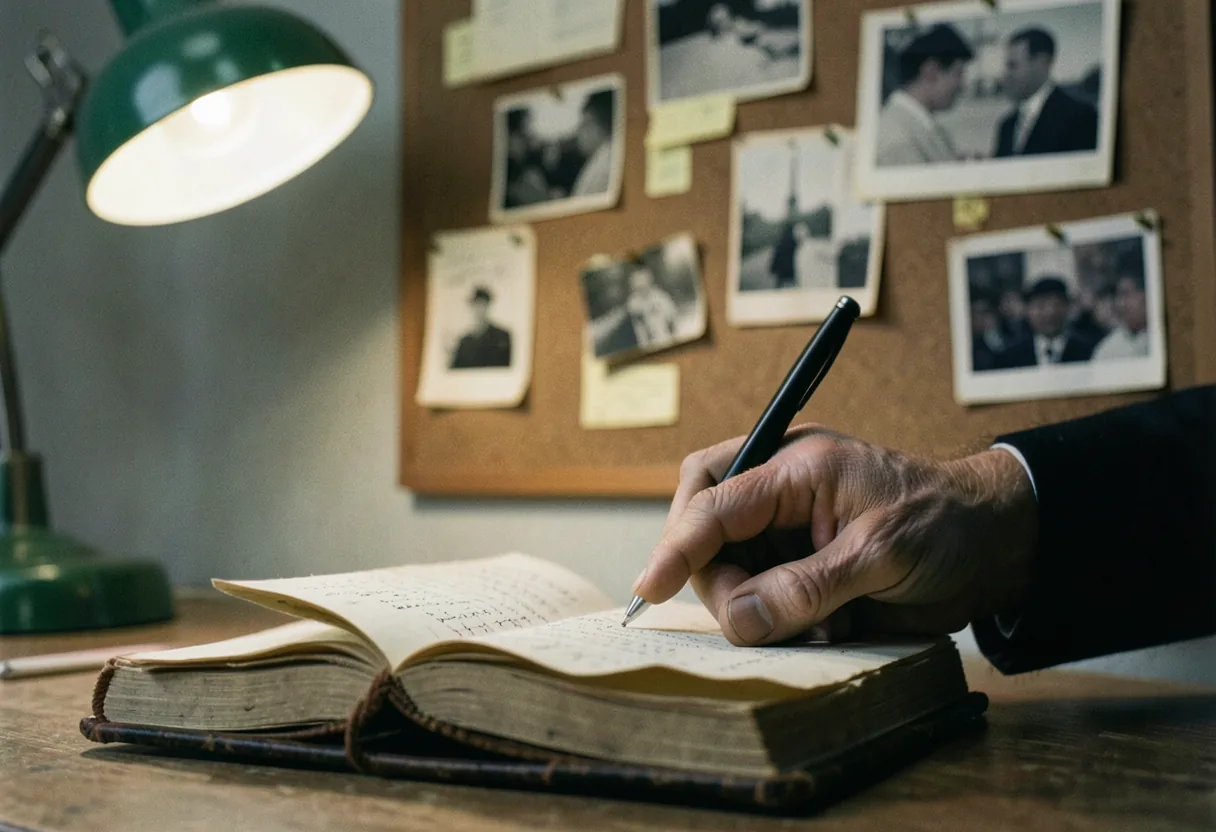
Adelaide’s cold case files date back to 1979, with the unsolved murder of Joy Summers. The South Australian Police maintain a dedicated cold case unit, reviewing cases like the 1980s Bevan Spencer von Einem investigation. Advanced forensic techniques, such as DNA analysis, have reopened cases like the 2001 murder of Leanne Holland.
Adelaide cold case files history refers to the documented records of unsolved criminal investigations maintained by the South Australia Police History Archive.
Think of it like a museum of unfinished stories, where each exhibit is a crime that never got its final chapter.
Key facts
- The South Australia Police History Archive houses records dating back to the 1800s.
- Some cold cases involve crimes committed as early as the 19th century.
- The archive includes both high-profile and lesser-known unsolved cases.
- Modern forensic techniques are sometimes applied to historical evidence.
What are the oldest cold cases in Adelaide?
The oldest cold cases in Adelaide date back to the colonial era. One of the most notorious is the 1882 murder of Rachel Henry, a young woman found strangled in her home. Despite extensive investigations at the time, her killer was never identified. The case remains one of the most intriguing in the archive, partly due to the limited forensic technology available in the 19th century.
Another historical case is the 1890 disappearance of Frederick Bayley, a wealthy businessman who vanished without a trace. The lack of witnesses and physical evidence made it nearly impossible to solve, even by today’s standards. These early cases highlight the challenges faced by law enforcement in the absence of modern investigative tools.
How are Adelaide cold case files history maintained?
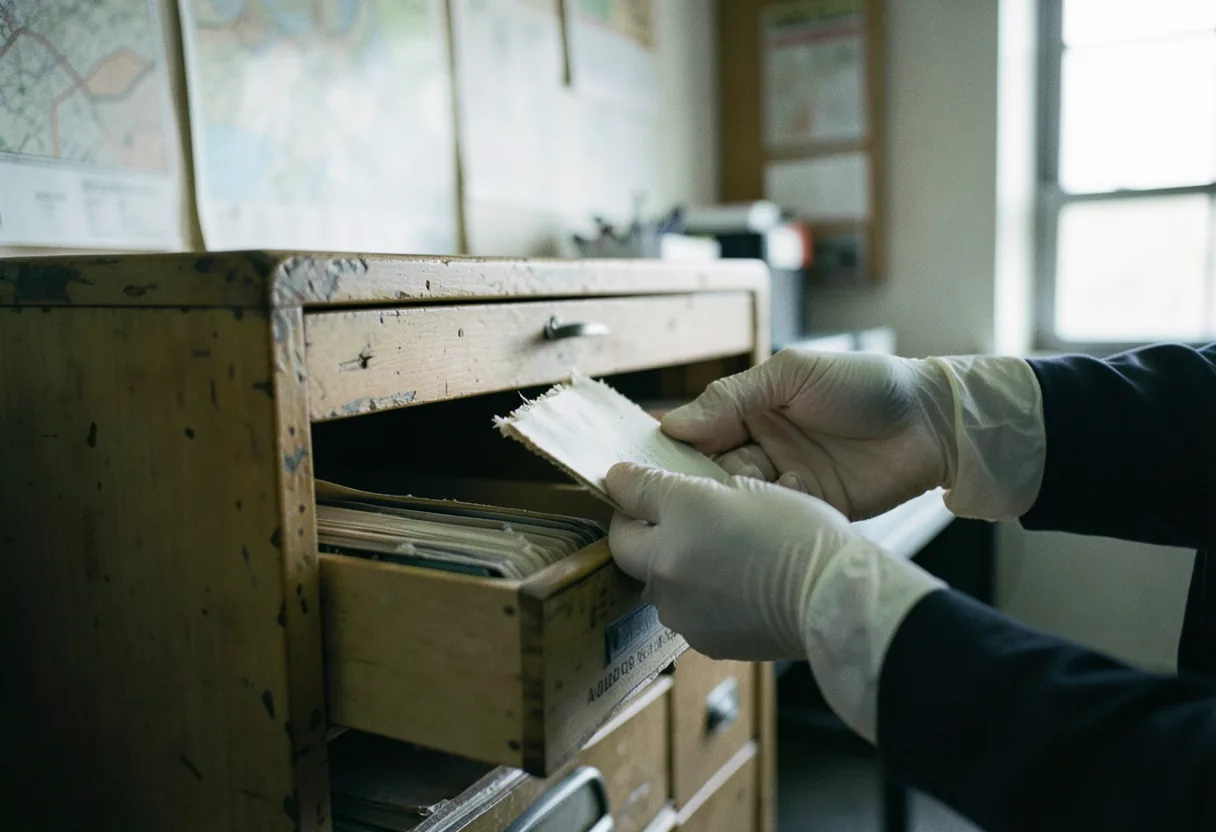
The South Australia Police History Archive maintains a meticulous system for preserving and cataloging cold case files. Each case is assigned a unique identifier and stored in climate-controlled environments to prevent deterioration. Digital scans of original documents are created to ensure accessibility while protecting the fragile paper records.
Volunteers and historians often assist in transcribing handwritten notes and organizing case files. The archive also collaborates with universities and research institutions to apply modern forensic techniques to historical evidence. For example, DNA analysis has been used in some cases to re-examine blood samples or other biological evidence collected decades ago.
Can the public access Adelaide cold case files history?
Public access to Adelaide cold case files history is managed through the South Australia Police History Archive. While some records are available for research purposes, sensitive information is redacted to protect ongoing investigations and privacy concerns. Researchers and genealogists often visit the archive to explore historical crime cases, contributing valuable insights and occasionally uncovering new leads.
For those unable to visit in person, the archive offers online resources and digital copies of certain case files. However, access to detailed evidence and investigative notes may require special permission. The archive also hosts public lectures and exhibitions to share the stories behind these unsolved cases, engaging the community in the pursuit of justice.
How do modern techniques help solve historical crimes?
Modern forensic techniques have revolutionized the investigation of historical crimes. DNA analysis, for instance, has allowed investigators to re-examine old blood samples and other biological evidence. In some cases, this has led to the identification of suspects or the exoneration of wrongly accused individuals. The use of DNA technology has been particularly effective in cases where original evidence was preserved.
Another significant advancement is the use of digital reconstruction. By creating 3D models of crime scenes and suspects, investigators can gain new insights into historical cases. For example, the archive has utilized digital reconstruction to recreate the scene of the 1934 Eva Griffin murder, providing a fresh perspective on the evidence. This technique has helped highlight previously overlooked details and potential leads.
What role do volunteers play in Adelaide cold case files history?
Volunteers are instrumental in maintaining and researching Adelaide cold case files history. They assist in transcribing handwritten documents, organizing case files, and conducting background research. Their efforts are crucial in preserving the integrity of the archive and ensuring that historical cases are not forgotten. Volunteers often bring a fresh perspective to old cases, sometimes uncovering new leads or connections that professional investigators might miss.
The archive also collaborates with volunteer groups and historical societies to host public events and exhibitions. These events help raise awareness about unsolved cases and engage the community in the pursuit of justice. For example, the archive has partnered with the Adelaide Historical Society to organize lectures and workshops on historical crime investigations. These initiatives not only educate the public but also encourage individuals to come forward with information that could help solve these cases.
How can new evidence be submitted for cold cases?
Submitting new evidence for cold cases is a straightforward process managed by the South Australia Police History Archive. Individuals with information or evidence related to an unsolved case can contact the archive directly through their website or by visiting in person. The archive has a dedicated team that reviews and evaluates all submissions, ensuring that relevant information is properly documented and shared with the appropriate authorities.
For those who prefer anonymity, the archive offers confidential submission options. This ensures that individuals can provide information without fear of reprisal or exposure. The archive also works closely with the South Australian Police Force to ensure that any new evidence is thoroughly investigated. In some cases, modern forensic techniques are applied to new evidence, providing fresh leads and opportunities for resolution.
What educational resources are available for learning about Adelaide cold case files history?
The South Australia Police History Archive offers a range of educational resources for those interested in learning about Adelaide cold case files history. The archive provides guided tours, where visitors can explore the historical case files and learn about the investigative processes used in the past. These tours are led by knowledgeable guides who provide context and insights into the challenges faced by early investigators.
In addition to tours, the archive offers workshops and seminars that delve deeper into specific cases and forensic techniques. For example, the allows participants to examine bone fragments and learn about the techniques used to identify victims. These educational resources are designed to engage the public and foster a deeper understanding of the historical and scientific aspects of cold case investigations.
Always remember that every cold case is a story waiting to be finished. By exploring Adelaide cold case files history, you contribute to the ongoing quest for justice and truth.
Frequently asked questions
What was the first cold case recorded in Adelaide?
The first recorded cold case in Adelaide dates back to 1836, involving the murder of John West. His body was discovered near the Torrens River, but the case remains unsolved despite extensive investigations by early colonial authorities.
How many unsolved homicides are there in Adelaide's cold case files?
As of 2023, Adelaide's cold case files include over 100 unsolved homicides. These cases span from the 19th century to recent decades, with notable examples like the 1973 disappearance of Jane Todd, whose case remains one of the most perplexing.
What modern techniques are used to reinvestigate Adelaide's cold cases?
Advanced DNA analysis and forensic technology, such as the use of familial DNA testing, have been employed to reinvestigate cases. For instance, the 2018 resolution of the 1982 murder of Debora Rex involved DNA evidence not available during the original investigation.
Are there any cold case units specifically dedicated to Adelaide's unsolved crimes?
Yes, the South Australia Police established a dedicated cold case unit in 2006. This unit focuses on re-examining evidence and applying new forensic methods. One of their successes includes the 2019 conviction in the 1988 murder of Suzanne Armstrong.