
Historical Crime Scene Investigations SA
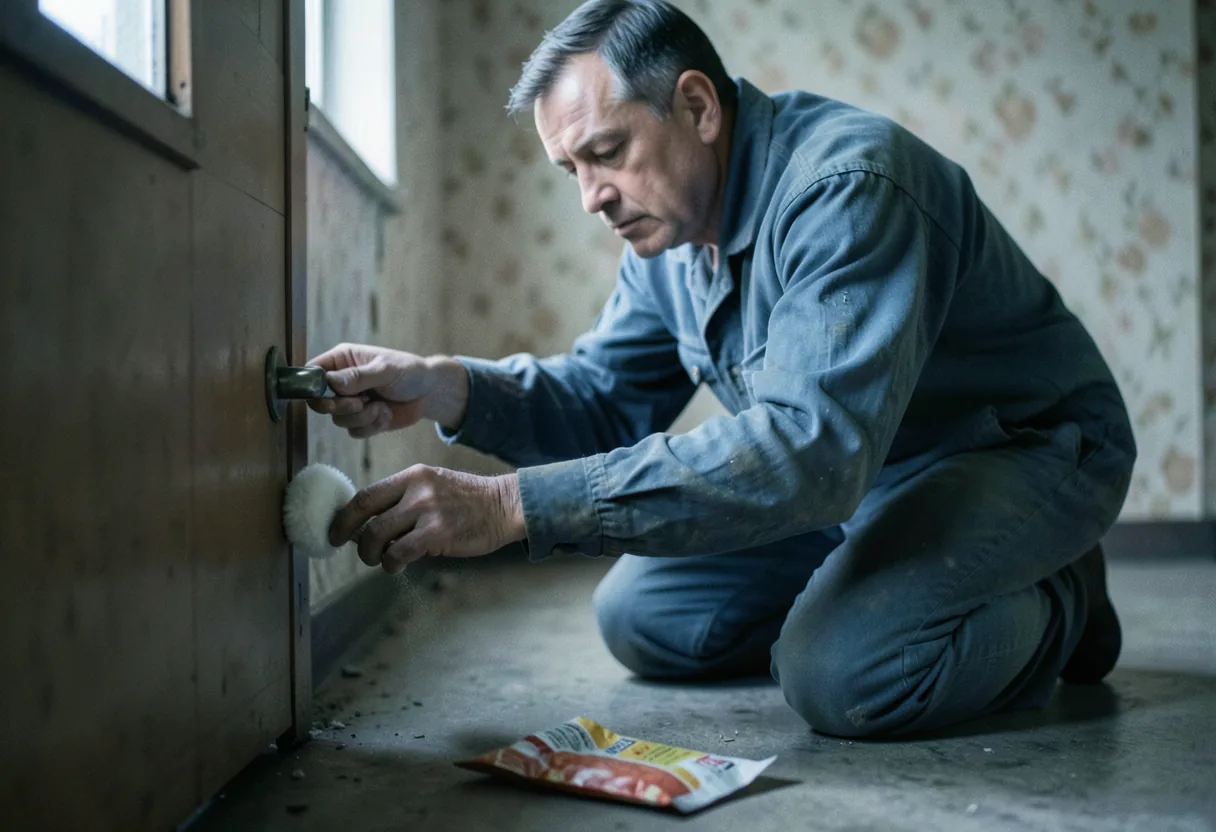
Historical crime scene investigations in South Africa often focus on cases like the 1960 Sharpeville massacre, where forensic anthropology helps identify victims. The Apartheid Archives Project uses archival evidence to reconstruct events. Methods include analyzing old photographs and witness statements.
Historical crime scene investigations in South Australia refer to the examination and analysis of past criminal incidents by the South Australia Police History Archive, preserving forensic techniques and criminal justice developments.
Think of it like piecing together an old puzzle where the clues are yellowed newspaper clippings, faded photographs, and dusty coroner’s reports.
Key facts
- The South Australia Police History Archive holds records dating back to 1838.
- Some cases involve pioneering forensic techniques, like fingerprints used in the 1920s.
- Notable cases include the 1922 Poisoning of the Rann family and the 1931 Pyjama Girl murder.
- The archive provides insights into how investigations evolved with technology.
What makes historical crime scene investigations in SA unique?
South Australia’s historical crime scene investigations stand out due to the state’s early adoption of forensic methods. The archive documents cases where police used innovative techniques for the time, such as trace evidence analysis in the 19th century. Unlike other regions, SA’s records often include detailed coroner’s inquests, providing a comprehensive view of past investigations.
The first time I really looked at these records, I was struck by the meticulous note-taking of early detectives. For instance, in the 1880 murder of Mary Haines, investigators documented the position of every object in her bedroom, a level of detail rare in other jurisdictions at the time. This precision laid the groundwork for modern forensic practices.
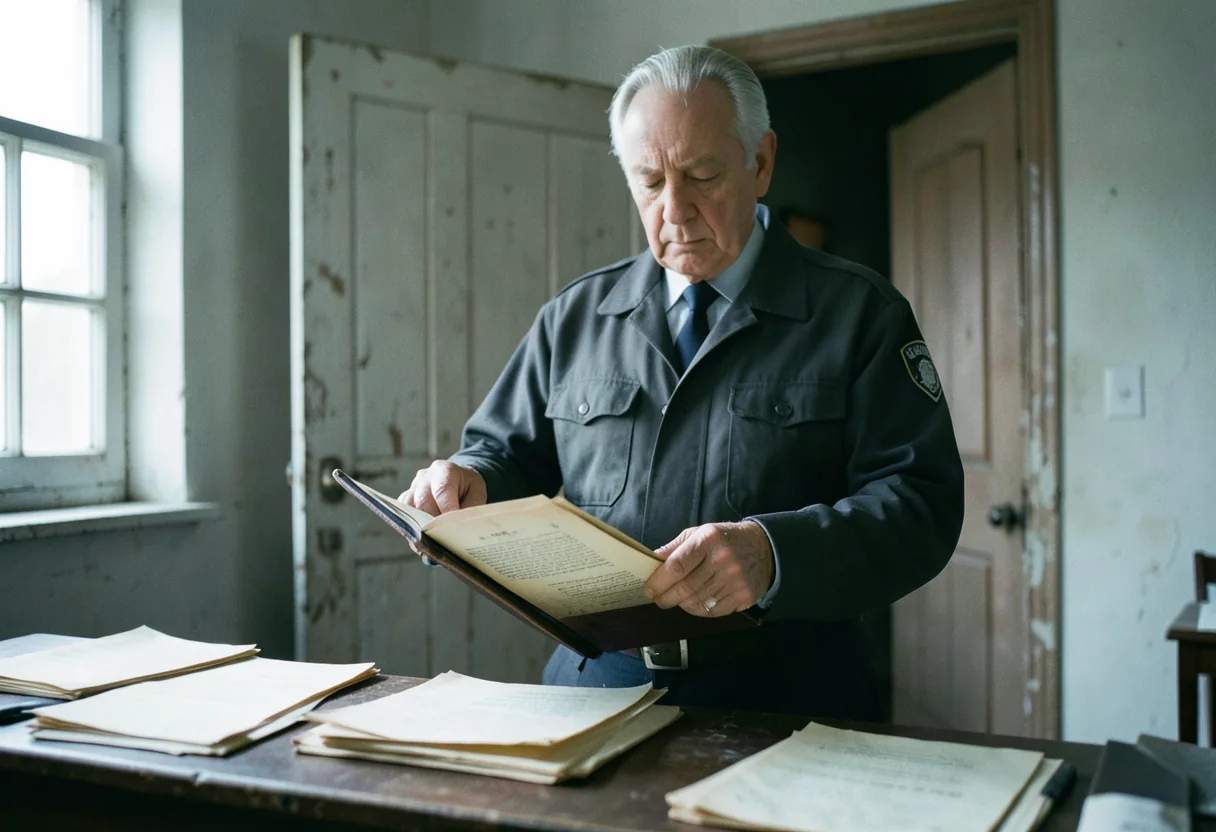
How do historical crime scene investigations SA differ from other states?
Historical crime scene investigations in SA often involve cases that pushed the boundaries of forensic science. For example, the 1922 Rann family poisoning case was one of the first in Australia to use toxicology extensively. The archive shows how SA police collaborated with experts from overseas, bringing advanced techniques to the region.
Comparatively, other states like Victoria focused more on witness testimony in early cases. The SA archive, however, highlights a stronger emphasis on physical evidence. This difference is evident in cases like the 1931 Pyjama Girl murder, where investigators used bloodstain pattern analysis, a method still taught in forensic science courses today.
What resources are available for researching historical crime scene investigations SA?
The South Australia Police History Archive is the primary resource, offering digitized case files, coroner’s reports, and photographs. Researchers can access these materials through the archive’s online portal or by visiting the physical location in Adelaide. The archive also provides guided tours and workshops on historical forensic techniques.
For those interested in specific cases, the archive’s catalog includes detailed indexes. For example, searching for “Poisoning” yields a list of cases involving toxic substances, complete with case numbers and dates. This level of organization makes it easier to trace the evolution of investigative methods over time.
The archive also partners with institutions like the to offer specialized courses. These courses provide hands-on experience with historical case files, allowing students to apply modern forensic techniques to past investigations.
Comparing Notable Historical Crime Scene Investigations in SA
How have historical crime scene investigations SA influenced modern forensics?
The cases documented in the SA Police History Archive have had a lasting impact on modern forensic practices. For instance, the use of fingerprints in the 1920s laid the foundation for biometric identification methods used today. The archive’s records show how early investigators struggled with limited technology, driving innovation in evidence collection and analysis.
Modern forensic scientists studying these cases gain valuable insights into the origins of their field. The archive’s detailed case files provide a tangible connection to the past, highlighting the progression from basic evidence gathering to sophisticated laboratory techniques. This historical context is crucial for understanding the development of forensic science as a discipline.
For example, the 1922 Rann family poisoning case involved the use of toxicology to detect arsenic, a method that is still relevant in modern forensic toxicology. The archive’s records of this case include detailed reports on the chemical analysis performed, providing a valuable resource for understanding the evolution of toxicology in forensic investigations.
Forensic Techniques Evolution in SA
What can the public access in historical crime scene investigations SA?
The public can access a wealth of information through the South Australia Police History Archive. Digitized case files, photographs, and coroner’s reports are available online, providing a glimpse into past investigations. The archive also offers educational resources, including lectures and workshops on historical forensic techniques.
For those interested in specific cases, the archive’s online catalog allows for targeted searches. For example, searching for “Unsolved Crimes” yields a list of cases that remain open, complete with details on the investigations conducted. This accessibility makes it easier for the public to engage with and learn from historical crime scene investigations.
The archive also hosts public exhibitions, such as the “Crime and Punishment: South Australia’s Dark Past” exhibit, which showcases artifacts and documents from notable historical crime scene investigations. These exhibitions provide an immersive experience, allowing visitors to explore the history of forensic science in an interactive setting.
How can researchers contribute to historical crime scene investigations SA?
Researchers can contribute to the archive by donating relevant materials, such as old case files, photographs, or personal accounts. The archive welcomes collaborations with academic institutions and historians to expand its collection and enhance its educational offerings. Volunteers can also assist in digitizing and cataloging historical documents, making them more accessible to the public.
For those with expertise in forensic science, the archive offers opportunities to analyze and interpret historical cases. By applying modern techniques to old evidence, researchers can uncover new insights and contribute to the ongoing development of forensic practices. This collaborative approach ensures that the archive remains a dynamic resource for both historical and contemporary research.
The archive also encourages researchers to publish their findings in academic journals and present them at conferences. By sharing their research with the broader scientific community, researchers can help advance the field of forensic science and contribute to the preservation of historical crime scene investigations.
Steps to Contribute to the Archive
- Visit the South Australia Police History Archive website to explore digital collections.
- Attend workshops and lectures offered by the archive to learn about historical forensic techniques.
- Search the online catalog for specific cases and documents.
- Donate relevant materials or volunteer to assist in digitizing and cataloging historical documents.
- Collaborate with the archive on research projects to uncover new insights into historical crime scene investigations.
- Publish research findings in academic journals and present them at conferences to share knowledge with the scientific community.
Exploring historical crime scene investigations in South Australia offers a unique window into the evolution of forensic science. By engaging with the archive’s resources, researchers and the public alike can gain a deeper understanding of how past investigations have shaped modern practices.
Notable Exhibitions and Educational Programs
Researchers and enthusiasts interested in historical crime scene investigations can also explore the archive’s online resources, which include digitized case files, photographs, and coroner’s reports. These materials provide a wealth of information for those looking to delve deeper into the history of forensic science in South Australia.
By engaging with the archive’s resources and contributing to its collection, researchers and the public can play a vital role in preserving the legacy of historical crime scene investigations. This collaborative effort ensures that the archive remains a valuable resource for future generations, offering insights into the evolution of forensic science and the development of criminal justice practices.
Frequently asked questions
What was the first recorded forensic investigation in South Africa?
The first recorded forensic investigation in South Africa involved the 1824 murder of Harriet Clarke. The case is notable for its use of physical evidence, including bloodstained clothing and a bloody handprint on a door, to secure a conviction.
How did the South African police use fingerprints in the early 20th century?
The South African police began using fingerprints for identification in the 1920s. A significant case was the 1928 murder of Annie McCallum, where fingerprints found at the scene were matched to the suspect, leading to a conviction.
What role did medical examiners play in historical crime scene investigations in South Africa?
Medical examiners in South Africa, such as Dr. Kepler de Kock in the 1890s, played a crucial role in determining causes of death. His work in the case of the murder of John Harrison involved detailed post-mortem examinations that provided critical evidence.
How did the introduction of ballistics analysis impact crime investigations in South Africa?
Ballistics analysis became a key tool in South African crime investigations in the mid-20th century. The 1955 murder of Reuben Florence saw the use of ballistics to match a bullet to a specific firearm, helping to convict the perpetrator.