
Adelaide Police History Ranks
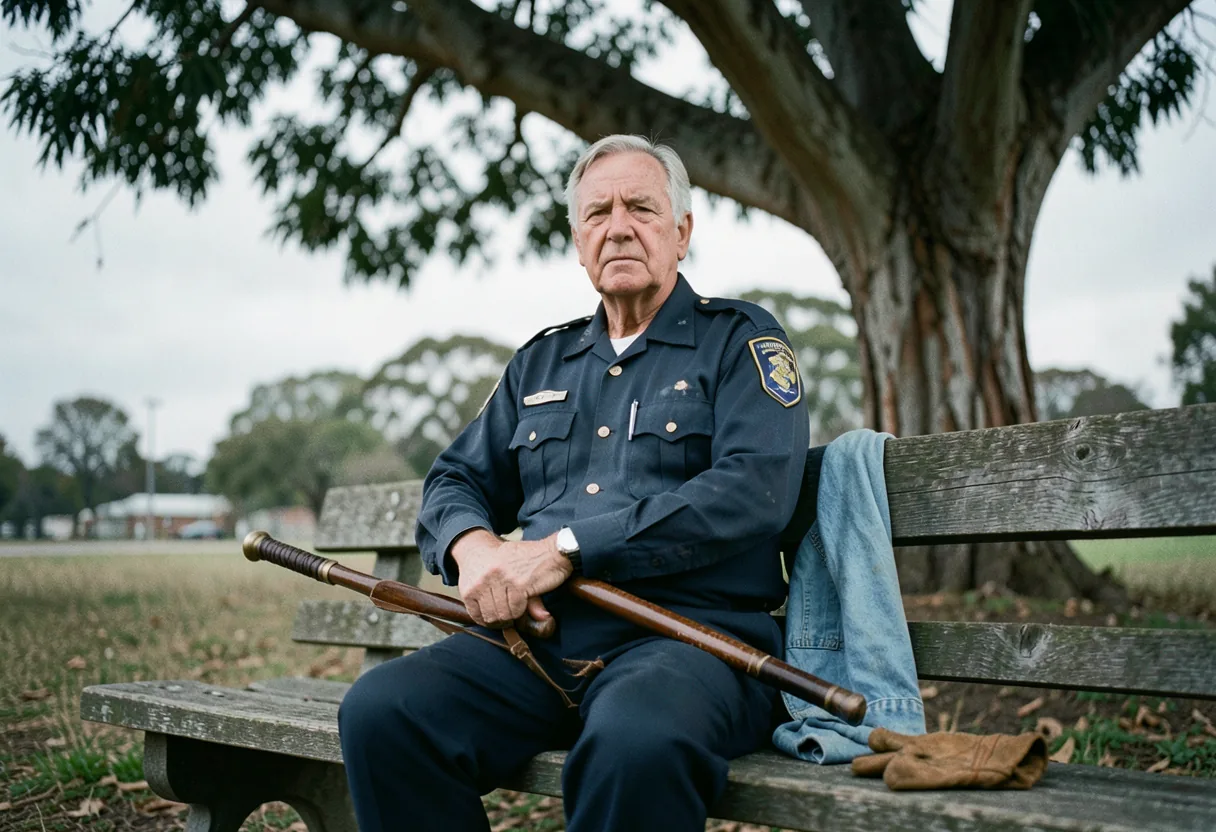
Adelaide Police history ranks prominently with its establishment in 1838. It includes the 1852 creation of the Mounted Police Troop, the 1909 opening of the Glenelg Bay Police Station, and the 1978 founding of the Special Tasks and Rescue squad, now known as STAR Group.
The Adelaide police history ranks detail the hierarchical structure of the South Australia Police Force from its establishment in 1838 to the present day.
Think of the Adelaide police history ranks as the backbone of the force, much like the ranks in the military. Just as a battalion needs clear ranks to function, from privates to generals, Adelaide’s police force required a defined hierarchy to maintain order and ensure effective law enforcement.
Key facts
- South Australia’s police force was established in 1838, shortly after the colony’s founding.
- The initial rank structure mirrored that of British police forces but evolved uniquely over time.
- Adelaide police ranks included unique titles like “Inspector of Police” and “Chief Warder” in the early years.
- By the 1970s, the rank structure had standardized to align with modern policing standards.
What were the original Adelaide police ranks in 1838?
The original Adelaide police ranks in 1838 were simple and reflected the colonial administration’s need for basic law enforcement. The highest rank was the “Inspector of Police,” a position held by Henry Inman, the first police officer in South Australia. Below him were “Constables,” who handled day-to-day duties. The force was small, just 20 officers initially, but grew rapidly as Adelaide expanded.
The Inspector of Police was responsible for overseeing the entire force, a role that combined administrative and operational duties. Constables, meanwhile, were often recruited from the local population or among ex-convicts, as was common in early colonial police forces. These early ranks were not as formalized as they would later become, but they laid the groundwork for a structured hierarchy.
How did Adelaide police ranks evolve over the 19th century?
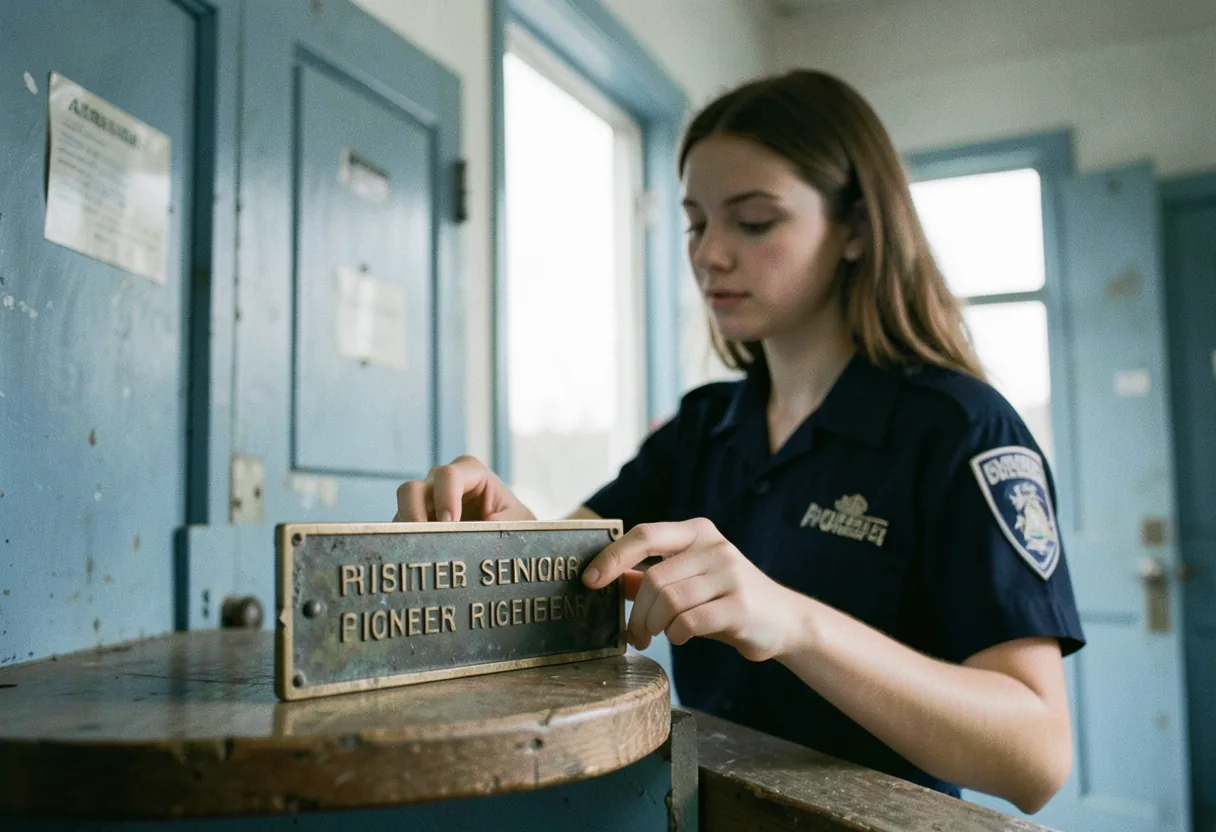
By the mid-19th century, Adelaide police ranks had expanded to include new positions such as “Sergeant” and “Chief Warder.” The introduction of these ranks reflected the growing complexity of law enforcement in a rapidly urbanizing colony. The Chief Warder, for example, was tasked with managing the police barracks and overseeing the welfare of officers. This rank was particularly important during a period when police housing and logistics were critical to maintaining stability.
The 1860s saw the addition of “Sub-Inspectors,” a rank designed to bridge the gap between constables and the Inspector of Police. This period also introduced specialized roles, such as the “Detective Sergeant,” reflecting the force’s adaptation to new forms of crime. The ranks became more formalized, with clear lines of promotion and defined responsibilities for each position.
What changes occurred in Adelaide police ranks during the 20th century?
The 20th century brought significant changes to Adelaide police history ranks, particularly with the introduction of modern policing standards. By the 1920s, the rank of “Superintendent” was added to oversee larger districts, a response to the growing population and geographic expansion of Adelaide. The 1950s saw the creation of the “Assistant Commissioner” and “Deputy Commissioner,” further refining the force’s command structure.
One notable shift was the standardization of ranks to align with other Australian states, which made interstate cooperation easier. The 1970s introduced the rank of “Senior Sergeant,” a position designed to manage smaller police stations and improve local command. This period also saw the creation of specialized units, such as the Traffic Division and Criminal Investigation Branch, each with their own rank structures.
How do Adelaide police ranks compare to other Australian states?
Adelaide police history ranks share similarities with other Australian states but have unique elements reflecting South Australia’s distinct legal and administrative history. For example, the rank of “Chief Warder” was specific to South Australia and reflected the colony’s early focus on penal institutions. Other states, like New South Wales and Victoria, had ranks like “Senior Constable” and “Detective Inspector” earlier than South Australia, but Adelaide’s structure was influenced by its smaller population and slower urbanization.
By the late 20th century, Adelaide’s ranks had largely aligned with national standards, though some titles remained unique. For instance, the “Assistant Commissioner” in South Australia was often responsible for community engagement, a focus that differentiated it from similar roles in other states. Today, the rank structure is broadly comparable, with positions like “Commissioner,” “Chief Inspector,” and “Sergeant” found across Australia.
What are the current Adelaide police ranks?
The current Adelaide police ranks reflect modern policing needs and international standards. At the top of the hierarchy is the “Commissioner of Police,” the most senior officer responsible for the entire force. Below them are “Deputy Commissioners” and “Assistant Commissioners,” each overseeing different divisions such as operations, community engagement, and administration.
The middle ranks include “Chief Inspectors,” “Senior Sergeants,” and “Sergeants,” each with distinct responsibilities. For example, a “Chief Inspector” manages multiple police stations and coordinates large-scale operations, while a “Sergeant” leads a team of constables within a single station. The lowest rank is the “Probationary Constable,” who undergoes training before being promoted to “Constable.”
Historical and Modern Rank Comparison
What role did historical Adelaide police stations play in rank hierarchy?
Historical Adelaide police stations were integral to the evolution of police ranks, as they served as both operational hubs and administrative centers. Stations like the Adelaide Central Police Station, established in 1861, were pivotal in shaping the force’s command structure. Larger stations required more senior officers, which led to the creation of ranks like “Station Sergeant” and “Chief Inspector.” These stations also housed specialized units, further necessitating rank differentiation.
Smaller stations, such as those in regional areas, often had fewer ranks but still followed the broader hierarchy. For example, a “Sergeant” in a rural station might have had responsibilities equivalent to a “Senior Sergeant” in a city station. The physical layout of stations also influenced rank dynamics, with senior officers typically occupying offices on higher floors or in more secure areas.
How have South Australian Police uniforms reflected rank changes?
South Australian Police uniforms have evolved alongside rank changes, serving as a visual representation of the force’s hierarchy. Early uniforms, such as those worn in the 1840s, were simple and lacked distinct rank insignia. However, by the late 19th century, uniforms began to include badges and epaulettes to denote rank. For example, an “Inspector” might have worn a silver badge, while a “Sergeant” had a bronze one. These distinctions helped civilians and officers quickly identify rank during emergencies.
Modern uniforms continue this tradition, with clear insignia for each rank. For instance, a “Commissioner” wears a distinctive gold-and-black epaulette, while a “Constable” has no epaulette but wears a shoulder patch with the South Australian Police logo. The uniforms also reflect the force’s professionalism and authority, with materials and designs updated to meet contemporary standards.
Rank Insignia Overview
What historical documents detail Adelaide police ranks?
Numerous historical documents detail Adelaide police history ranks, providing insights into their evolution. The South Australian Police History Archive holds records such as the “Police Regulations of 1851,” which outline early rank structures and responsibilities. These documents reveal how ranks were assigned and the criteria for promotion, offering a glimpse into the force’s administrative processes.
Other key documents include “Annual Police Reports,” which often listed officers by rank and station. For example, a report from 1875 might detail the number of “Sergeants” in Adelaide Central and their supervisory roles. These reports also highlight changes in rank titles, such as the introduction of “Sub-Inspector” in the 1860s. Modern digital archives, such as those available through the State Library of South Australia, provide access to these documents, making it easier to study the force’s history.
How can you research Adelaide police history ranks?
Researching Adelaide police history ranks involves examining a variety of sources, from archival documents to museum exhibits. The South Australia Police History Archive is a primary resource, offering access to historical records, photographs, and uniforms. Visiting the Adelaide Central Police Station can also provide firsthand insights, as it houses exhibits on rank evolution and police life.
For those interested in online research, the State Records of South Australia website provides digitized documents and databases. Academic journals, such as those published by the History Council of South Australia, often feature articles on police ranks and their societal impact. Additionally, museums like the South Australian Maritime Museum occasionally host exhibitions on policing history, offering interactive learning opportunities.
Research Steps
- Visit the South Australia Police History Archive to access primary documents.
- Explore the State Records of South Australia website for digitized police records.
- Tour the Adelaide Central Police Station to view historical exhibits.
- Consult academic journals and museum exhibitions for additional insights.
Understanding Adelaide police history ranks reveals the force’s adaptation to societal changes and its commitment to maintaining law and order. From the simple hierarchy of 1838 to the structured ranks of today, each evolution reflects the growing complexity of policing in South Australia.
Frequently asked questions
When was the South Australia Police Force officially established?
The South Australia Police Force was officially established in 1838, making it one of the oldest police forces in Australia. The first police station in Adelaide was located in Hindley Street, which is now a bustling commercial area. The force was created to maintain law and order in the growing colony.
What were the initial ranks in the Adelaide Police Force?
The initial ranks included Constable, Sergeant, Inspector, and Superintendent. These ranks were modeled after the British police system. The Superintendent was the highest rank, responsible for overseeing the entire force. The ranks have evolved over time to meet the changing needs of the community.
How has the structure of the Adelaide Police ranks changed over time?
The structure has evolved significantly since 1838. For instance, the rank of Commissioner was introduced in the late 19th century to provide a clear chain of command. In the 1970s, the rank of Senior Sergeant was added to better manage larger police stations. These changes reflect the growing complexity of policing in a modern city.
What notable events have shaped the history of the Adelaide Police ranks?
Key events include the establishment of the Police Reserve in 1916 to support the force during World War I and the introduction of the Police Complaints Authority in 1988 to ensure accountability. The force also played a significant role in maintaining order during the 1930s Great Depression, which saw an increase in crime and social unrest.