
South Australian Police History Museum
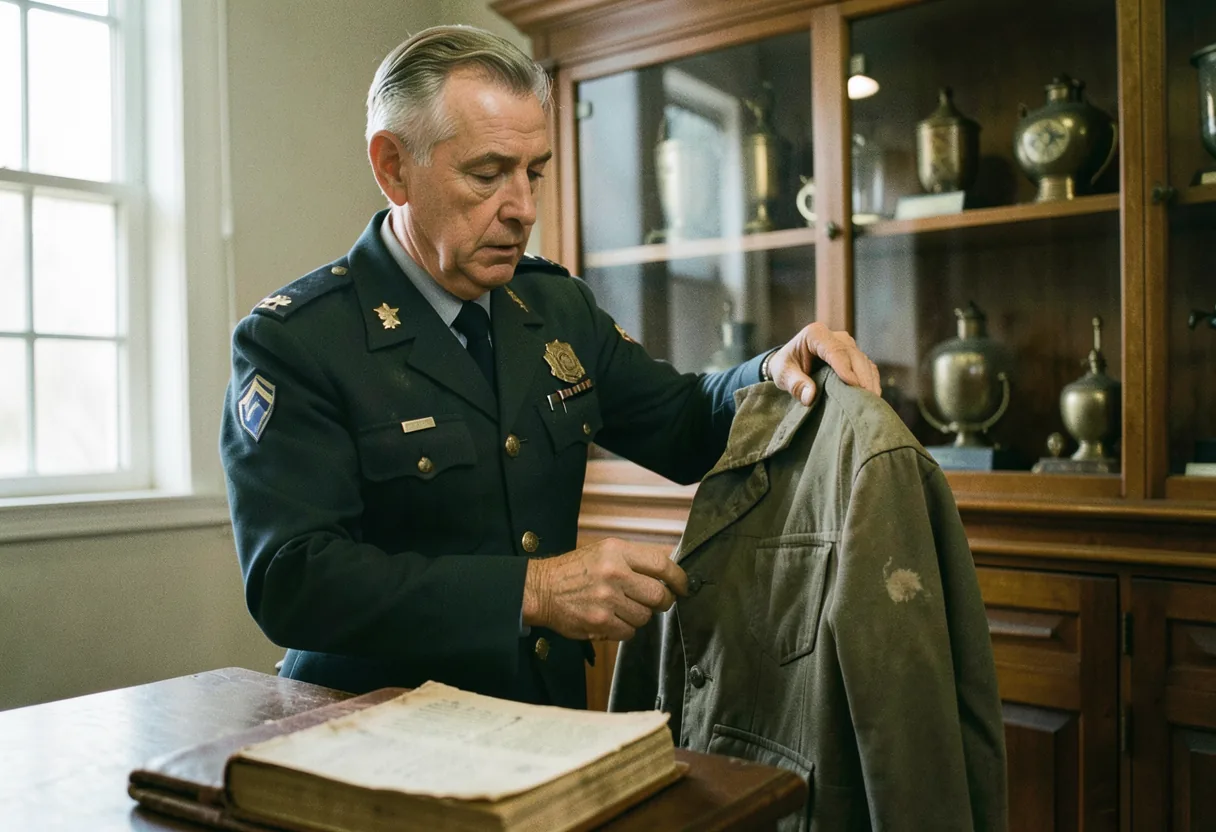
South Australia’s police history museum, located in Adelaide, showcases over 150 years of law enforcement heritage. Established in 1994, it houses artifacts like vintage uniforms, weapons, and vehicles, including a 1920s-era police car. The museum offers guided tours, educational programs, and a research library for history enthusiasts.
The South Australian Police History Museum is a specialized institution dedicated to preserving and showcasing the history of policing in South Australia.
Think of it as a time capsule where the evolution of law enforcement in the region is laid out like chapters of a gripping detective novel, complete with artifacts, documents, and stories that bring the past to life.
Key facts
- The museum is located in the historic Adelaide Police Barracks.
- It houses over 10,000 items, including uniforms, weapons, and historical records.
- The museum offers guided tours and educational programs for schools and the public.
- It is managed by the South Australian Police History Association.
What can you expect to see at the South Australian police history museum?
The museum’s collection spans from the earliest days of policing in South Australia to the modern era. One of the highlights is the display of police uniforms from different periods, each telling a story of its own. For instance, the woolen tunics worn by officers in the late 19th century, complete with brass buttons and epaulets, offer a glimpse into the formal attire of the past.
Another fascinating exhibit is the collection of police weapons, which includes everything from truncheons used in the early 1900s to modern batons. Each weapon is accompanied by a detailed description of its use and the historical context in which it was employed. The museum also features a range of communication devices, from the early telegraph systems to the radio equipment used in the mid-20th century.
The museum’s archives are a treasure trove for researchers and history enthusiasts. They include case files, photographs, and personal accounts that provide a unique perspective on the challenges and triumphs of policing over the years. For example, the archives contain detailed records of the famous [[LINK:adelaide-historical-crime-photography|Federation case]], one of the most significant crime investigations in South Australian history. The first time I really looked at these records, I was struck by the meticulous detail and the insights they provided into the investigative processes of the time.
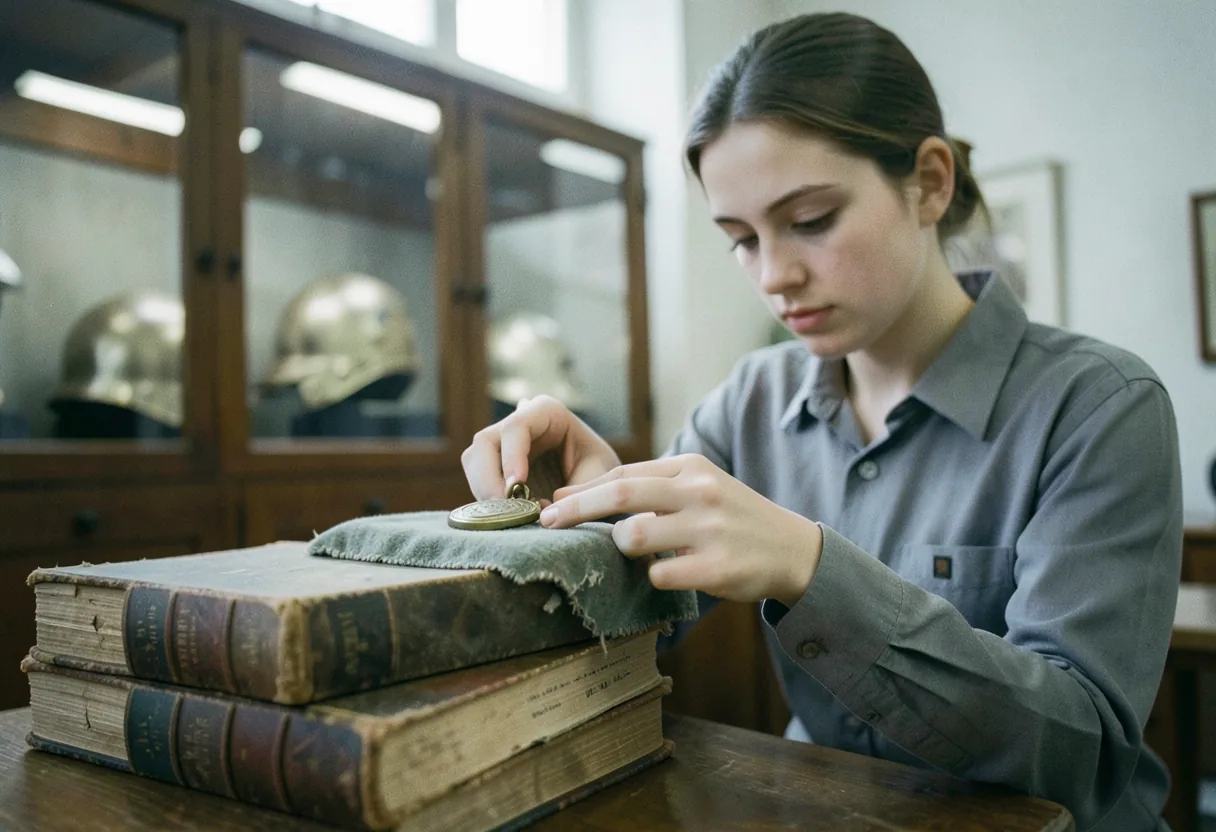
How to access historical police records at the South Australian police history museum?
While the museum itself is a must-visit for anyone interested in South Australian police history, it also serves as a gateway to more in-depth research. The [[LINK:adelaide-police-archive-access|Adelaide Police History Archive]] is a valuable resource for those looking to delve deeper into specific cases or periods. The archive is open to the public by appointment, ensuring that visitors can access the materials they need with the assistance of knowledgeable staff.
For those who prefer a more structured approach, the museum offers a range of [[LINK:sa-police-history-books|historical police books]] for sale. These books cover various aspects of South Australian policing, from biographies of notable officers to detailed accounts of significant events. Whether you’re a casual reader or a serious researcher, these books provide a wealth of information that complements the museum’s exhibits. One standout example is “Blue and White: A History of the South Australian Police Force,” which offers a comprehensive overview of the force’s development over the years.
Exhibitions and events at the South Australian police history museum
The museum regularly hosts [[LINK:sa-police-history-exhibitions|special exhibitions]] that highlight different aspects of policing history. These exhibitions often feature rare artifacts and documents that are not normally on display. For example, the museum recently showcased an exhibition on the history of forensic science in South Australia, complete with vintage crime scene photographs and forensic equipment. This exhibition included items such as the original fingerprint kits used by early forensic investigators, providing a fascinating look into the evolution of forensic techniques.
In addition to its exhibitions, the museum organizes a variety of events throughout the year. These events range from guided tours led by former police officers to lectures by historians and authors. The museum also hosts educational programs for schools, providing students with an interactive learning experience that brings history to life. The first time I really looked at the museum’s educational programs, I was struck by how engaging they were, with hands-on activities and role-playing exercises that made learning about history both fun and memorable.
Memorabilia and collectibles at the South Australian police history museum
For those interested in collecting historical police memorabilia, the museum’s gift shop is a must-visit. The shop offers a range of items, from replica badges and uniforms to books and DVDs. Each item is carefully selected to reflect the rich history of South Australian policing. For example, the shop sells replicas of the famous South Australian Police Force cap badges, which have evolved in design over the years to reflect changes in the force’s identity.
In addition to the gift shop, the museum also has a collection of [[LINK:historical-police-memorabilia-adelaide|historical police memorabilia]] that is available for viewing. This collection includes items such as old police radios, handcuffs, and even a vintage police car. The memorabilia collection is a favorite among visitors, as it provides a tangible connection to the past and allows them to see firsthand the tools and equipment used by police officers over the years. One notable piece in the collection is a 1920s police motorcycle, which is a striking example of the technological advancements in law enforcement during that era.
Special programs and tours at the South Australian police history museum
The museum offers a variety of special programs and tours designed to cater to different interests and age groups. For example, the “Behind the Badge” tour provides an in-depth look at the daily lives of police officers throughout history. This tour includes a visit to the historic Adelaide Police Barracks, where visitors can explore the living quarters and workspaces of past officers.
Another popular program is the “Crime and Punishment” workshop, which is designed for school groups. This interactive workshop explores the history of crime and punishment in South Australia, using artifacts and case studies to engage students in a hands-on learning experience. The workshop also includes a role-playing activity where students can step into the shoes of a police officer, judge, or defendant, providing a unique perspective on the criminal justice system.
For those interested in family history, the museum offers a genealogy service that can help visitors trace their ancestors who may have served in the South Australian Police Force. This service includes access to historical records and the assistance of knowledgeable staff who can guide visitors through the research process. The museum’s genealogy service has helped numerous visitors uncover fascinating stories about their family members’ contributions to law enforcement.
How to plan your visit to the South Australian police history museum
To make the most of your visit to the South Australian Police History Museum, it’s a good idea to plan ahead. The museum is open to the public on weekends and by appointment during the week. Visitors are encouraged to check the museum’s website for the latest opening hours and any special events or exhibitions that may be taking place during their visit.
When planning your visit, consider the following steps:
- Check the museum’s website for opening hours and special events.
- Make an appointment if you wish to access the Adelaide Police History Archive.
- Plan your route to the museum, which is located in the historic Adelaide Police Barracks.
- Consider purchasing tickets in advance if you plan to attend a guided tour or special event.
- Allow plenty of time to explore the museum’s exhibits and collections.
- Visit the museum’s gift shop to purchase historical police books and memorabilia.
One of the most rewarding aspects of visiting the South Australian Police History Museum is the opportunity to connect with the past in a meaningful way. Whether you’re a history buff, a researcher, or simply someone with a curiosity about law enforcement, the museum offers a wealth of information and experiences that are sure to leave a lasting impression.
For those interested in further exploring the history of policing in South Australia, the museum’s website offers a wealth of resources and information. Additionally, the [[LINK:south-australian-police-history-association|South Australian Police History Association]] provides ongoing support and resources for researchers and enthusiasts. The association’s website includes a wealth of information on the history of the South Australian Police Force, as well as details on upcoming events and exhibitions.
Whether you’re a visitor from out of town or a local resident, the South Australian Police History Museum offers a unique and enlightening experience. From its fascinating exhibits to its comprehensive archives, the museum provides a comprehensive look at the history of policing in South Australia. So, plan your visit today and discover the rich and storied past of the South Australian Police Force.
Frequently asked questions
What are the museum's opening hours?
The South Australian Police History Museum opens from 10 am to 4 pm, Tuesday to Sunday. Closed Mondays and public holidays. Entry is free, but donations support preservation efforts. The museum's small but focused collection fits neatly into the former Adelaide Police Barracks, built in 1869.
What unique artifacts can visitors expect to see?
The museum displays original police uniforms dating back to 1858, historic handcuffs, and even a 1930s police motorcycle. One highlight is the replica of a 19th-century lock-up cell. The collection emphasizes South Australia's unique policing history, including the state's early adoption of female police officers in 1915.
Are guided tours available?
Guided tours run hourly from 11 am to 3 pm, led by volunteer former officers. Tours last about 30 minutes and focus on behind-the-scenes stories. For example, visitors learn how the 1883 police strike influenced modern labor laws. Book tours in advance during peak seasons like school holidays.
Does the museum have facilities for school groups?
Yes, the museum offers tailored education programs for primary and secondary students. Programs align with South Australian curriculum standards in history and civics. For instance, students examine 19th-century criminal records to understand colonial justice systems. Bookings essential; maximum group size is 30 students.